



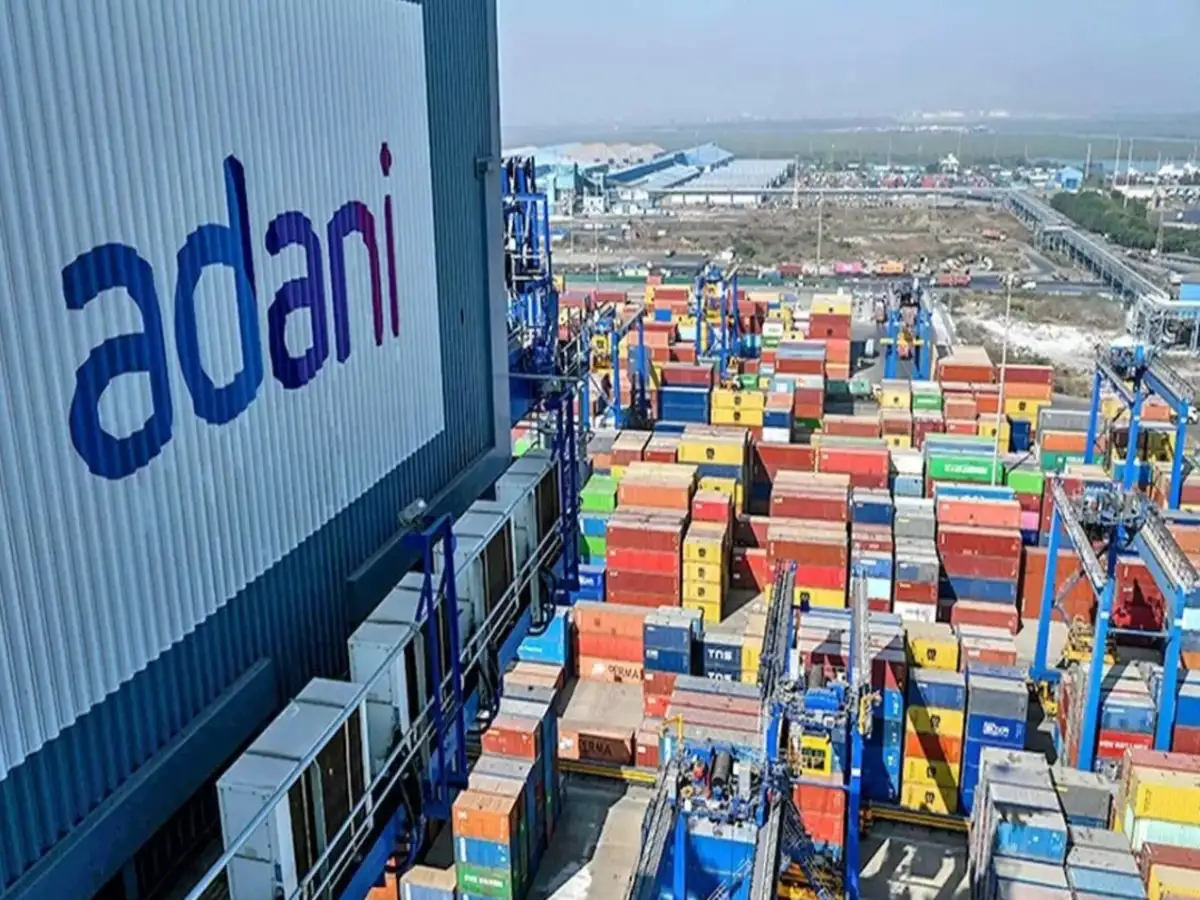
India’s largest private port operator reported a sharp rise in quarterly profit for the third quarter of FY26, underlining the resilience of port-led logistics even amid global trade uncertainty. The performance, driven by higher cargo volumes and operational efficiencies across its network, reinforces the growing economic role of modern ports in supporting urban supply chains, industrial growth and infrastructure expansion across coastal regions.
The company recorded a consolidated net profit of ₹3,043 crore for the quarter, marking a year-on-year increase of around 21 per cent, according to financial disclosures. Revenue growth was supported by stable demand across container, dry bulk and liquid cargo segments, reflecting steady domestic consumption and improving export-import flows through India’s ports. Industry analysts say the results highlight how scale and integration are becoming decisive advantages in the ports and logistics sector. With assets spanning multiple coastlines and linked logistics infrastructure inland, large port operators are increasingly able to smooth volatility in global shipping cycles. This stability has implications for cities that depend on ports as economic anchors, particularly in terms of employment, freight reliability and industrial land demand. Cargo throughput during the quarter saw incremental growth across several terminals, aided by improved turnaround times and better use of mechanisation. Port economists note that such efficiency gains reduce logistics costs for manufacturers and traders, benefits that often translate into more competitive pricing and stronger supply chains for urban markets.
Beyond core port operations, revenue streams from logistics parks, warehousing and transport corridors also contributed to earnings momentum. Urban planners observe that these ancillary assets are reshaping land use patterns around ports, with increased demand for organised industrial real estate and multimodal hubs. While this creates economic opportunity, it also places pressure on city authorities to manage transport congestion, housing needs and environmental safeguards in port-adjacent zones. From a sustainability perspective, the quarter’s performance comes as ports face rising scrutiny over emissions, energy use and climate resilience. Sector specialists say profitability provides operators with greater capacity to invest in cleaner equipment, shore power, electrified cargo handling and digital optimisation — all critical for aligning port growth with zero-carbon urban objectives. However, the pace and transparency of such investments will remain under close watch.
Financially, the company’s balance sheet remained supported by consistent cash flows, allowing continued capital expenditure on capacity expansion and technology upgrades. Infrastructure analysts caution that disciplined investment will be key as ports navigate a future shaped by larger vessels, evolving trade routes and stricter environmental regulation. Looking ahead, the outlook for port-led businesses will depend on how effectively they balance growth with urban integration. Strong quarterly earnings signal confidence in India’s logistics demand, but long-term value will hinge on whether port expansion translates into inclusive jobs, resilient coastal infrastructure and sustainable development outcomes for the cities that host these critical gateways.
Also Read: National Shipping Push Targets Logistics Resilience
Adani Ports Performance Signals Port Led Expansion
