


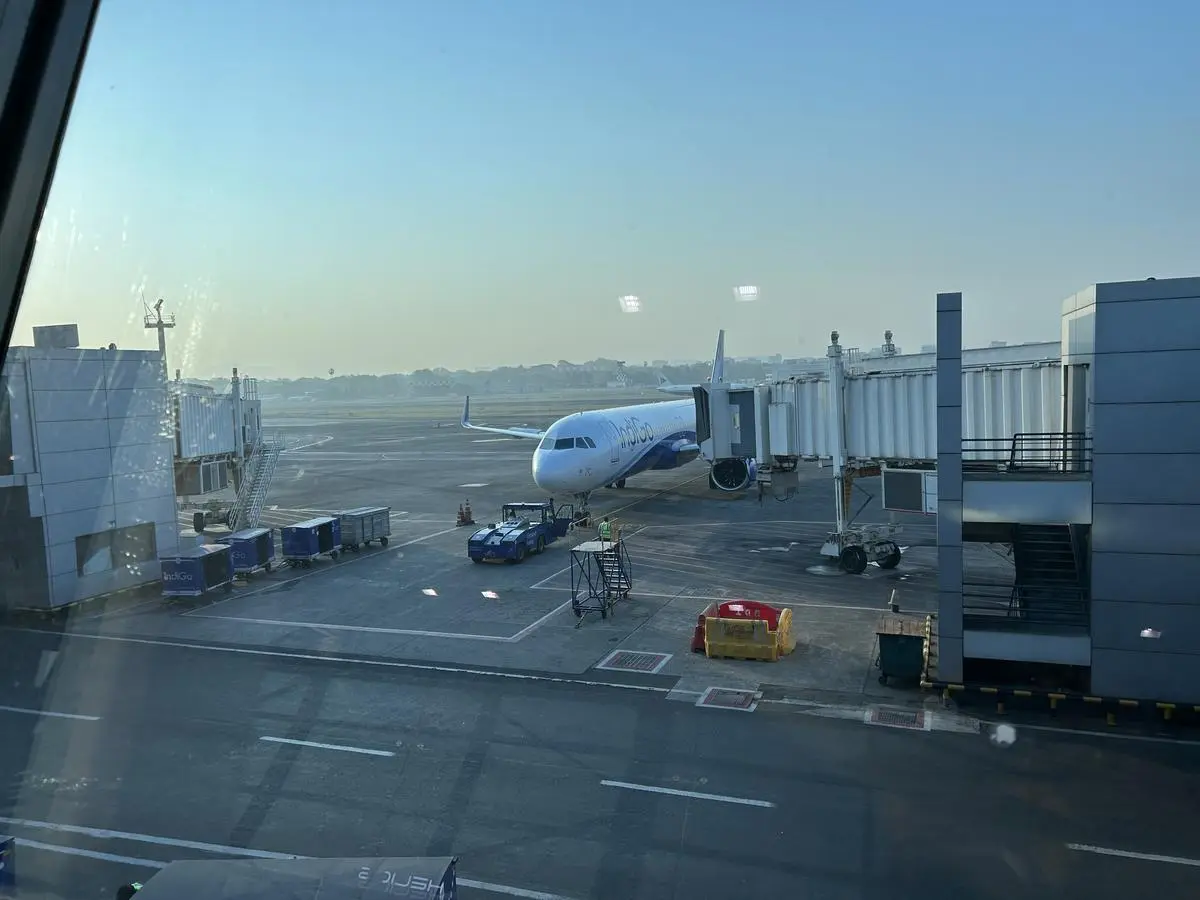
The infrastructure arm of Adani Group has initiated cityside development across eight of its airport assets, marking a strategic expansion to capitalise on landholdings and scale non-aero revenue streams. The project spans 655 acres across Mumbai, Navi Mumbai, Ahmedabad, Lucknow, Jaipur, Guwahati, Bengaluru and Thiruvananthapuram, and is being implemented in three phases.
Phase one is already underway, covering 114 acres of land. Officials said that nearly 50 acres are being developed around Mumbai and Navi Mumbai airports, with the remaining 60-65 acres distributed across six other cities. The cityside zones will include hotels, retail spaces, food courts, commercial offices, and entertainment venues, all designed to cater not just to flyers but to surrounding urban populations. These assets will integrate utilities, transport, and connectivity infrastructure to support long-term demand. Senior leadership from Adani Enterprises confirmed that while Mumbai remains the group’s most operational airport in terms of passenger volumes and infrastructure, others are in advanced stages of brownfield expansion. Navi Mumbai Airport, a flagship greenfield project, is expected to secure operational clearances by October 2025, with passenger capacity expected to scale within six months thereafter. The development of a second terminal is also on the cards shortly after.
Adani Airport Holdings Ltd (AAHL), a key subsidiary leading the projects, is advancing Phase 1 with a focus on unlocking commercial value through rental and retail facilities. Future phases are expected to bring in diversified retail mixes and premium urban infrastructure aligned with evolving urban consumption trends. While the group has not disclosed the capital expenditure for the cityside projects, officials indicated a calibrated rollout model tied to regional market potential. Financially, the airport business has shown resilience. In the first quarter of FY26, Adani’s airport vertical posted a 25% increase in revenue, crossing ₹10,200 crore. Passenger footfall reached 23.4 million, with cargo volumes touching 2.8 lakh tonnes—both registering modest growths year-on-year. Despite global trade uncertainties, the group remains optimistic about the long-term outlook of its aviation and urban real estate play.
Adani Enterprises Ltd’s consolidated debt currently stands at ₹61,500 crore, with ₹30,900 crore attributed to airport operations. The rest is spread across sectors including roads and overseas energy assets. Despite the debt load, the group is banking on stable airport revenues and real estate returns to fuel growth. The cityside expansion strategy reflects a broader transformation of Indian airports into multi-use urban hubs that generate recurring income beyond passenger and cargo movements. Industry analysts say the integration of non-aero infrastructure around airports will be critical to monetising land banks and building self-sustaining airport economies.
As India’s aviation landscape evolves and Tier-1 and Tier-2 cities witness an uptick in demand, Adani’s focus on long-term urban infrastructure investments tied to airports could potentially redefine the role of aviation in urban planning.
Also Read : IndiGo Begins Operations From New Terminal At Tuticorin Airport Today
