


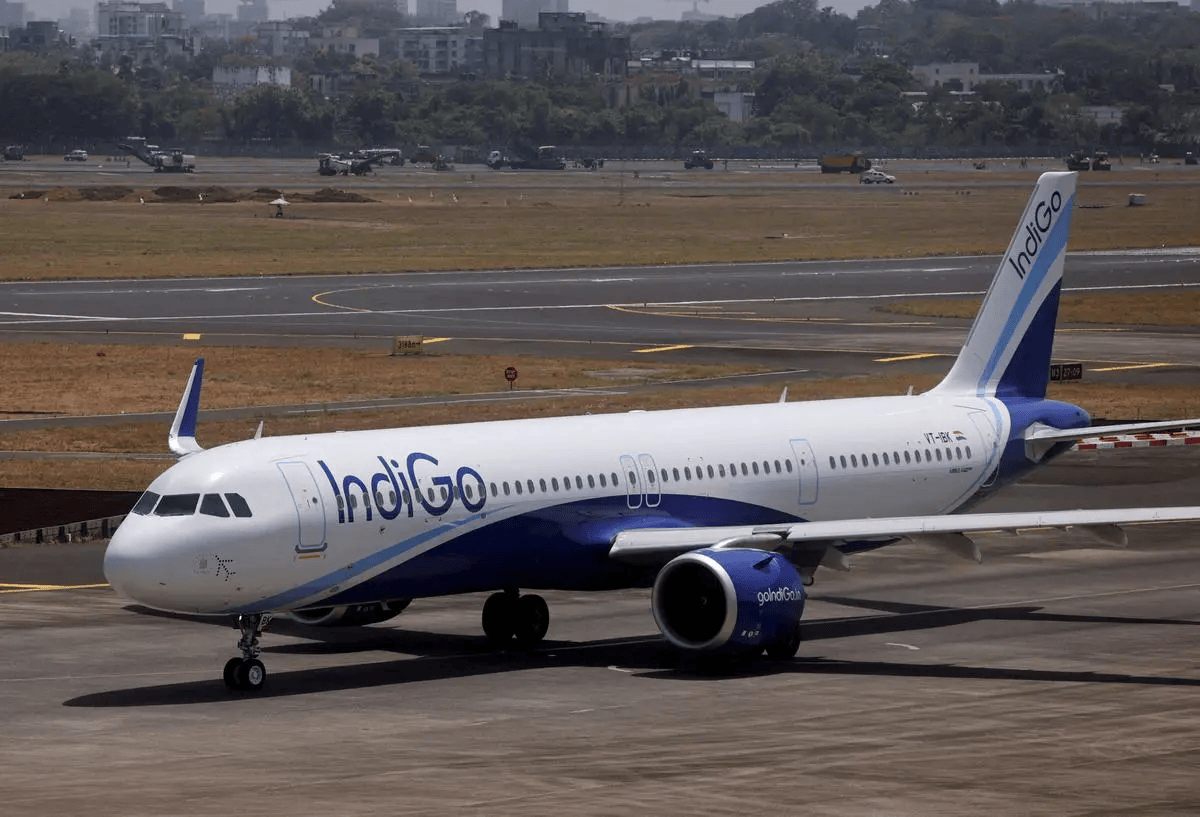
Adampur’s long-awaited direct air link to Mumbai has officially taken off, opening a new chapter for Punjab’s aviation connectivity and raising hopes for stronger regional development across the Doaba belt. The launch of the new service is being hailed by officials as a potential catalyst for increased economic activity, smoother NRI travel, and greater integration of Punjab with national and global markets via Mumbai’s major aviation hub.
The first flight connecting Chhatrapati Shivaji Maharaj International Airport in Mumbai to Adampur airport near Jalandhar landed on Wednesday afternoon, marking a milestone moment for the region. The service, currently operated by a private airline, is expected to not only serve the significant demand from the business and diaspora community but also lay the foundation for future expansions from Adampur to other major cities. According to local officials, this direct air route will significantly ease travel for Punjab-origin non-resident Indians (NRIs), many of whom have long sought more efficient access to the region without relying on distant airports like Amritsar or Chandigarh. Mumbai, being both a financial capital and a global aviation gateway, offers seamless onward connectivity to domestic destinations like Goa, Chennai, and Bengaluru as well as international hubs including Dubai, Amsterdam, and London.
Transport and infrastructure experts believe this development is a direct outcome of sustained efforts by the administration to elevate Adampur airport’s role in the state’s growing aviation map. While the airport had earlier operated limited services under the regional connectivity scheme, the direct Mumbai route now represents a shift towards mainstream integration. The official overseeing the project described the new service as “a game-changer,” particularly for the Doaba region, which has a large overseas population and an increasingly vibrant industrial sector. The airport’s proximity to Ludhiana, Hoshiarpur, and Jalandhar gives it an added strategic edge, especially when compared to airports located further away or in more congested urban areas.
Highlighting future plans, the official confirmed that discussions are already underway with airline operators to establish a direct Adampur to Delhi route. Such a connection would make Adampur a truly regional air hub, connecting Punjab to India’s two largest metros and allowing easier, faster movement of people and goods. “A Delhi flight will be a crucial link not just for residents but for commercial and logistics operations,” the official added. The new service is also expected to give a boost to Punjab’s manufacturing and trade network. Mumbai being a centre for finance and export logistics, having a direct air connection is likely to improve time-sensitive movement of business travellers and potentially support higher investment inflow into Punjab’s semi-urban industrial zones.
Local stakeholders in tourism, education, and healthcare sectors have welcomed the flight’s introduction, noting that better air access to Mumbai will drive more inter-city collaboration, student mobility, and medical travel. “This is a long-awaited win for our community, especially for senior citizens and NRIs who earlier faced lengthy travel via road from distant airports,” said a senior representative from a local business chamber. Moreover, the opening of the Adampur–Mumbai air route plays into a larger national aviation strategy focused on enhancing regional air connectivity through smaller, underserved airports. Under the UDAN (Ude Desh ka Aam Nagrik) scheme, the civil aviation ministry has been pushing for more such direct links to reduce dependency on Tier-1 city hubs, which are often congested.
While the inaugural flight operated with standard load factors, officials believe that increased awareness and marketing efforts will lead to steady passenger growth over the coming weeks. An aggressive push to engage the business and diaspora communities through outreach programmes is already underway. Promotional efforts are also being planned across Ludhiana, Kapurthala, and Hoshiarpur to encourage adoption of the new route. Operational efficiency and cost-effectiveness, however, will remain key to the route’s long-term success. Aviation analysts point out that several smaller airports across India have struggled to sustain direct routes due to inadequate passenger load and weak airport infrastructure. To counter this, state authorities are reportedly exploring additional support mechanisms such as incentivised fares, reduced airport charges, and ground support partnerships with private players.
The environmental benefits of regional direct flights are also drawing attention, as such routes reduce the need for multi-leg air and road journeys, cutting down on overall carbon emissions. Given the state’s focus on sustainable development and smart infrastructure, Adampur’s growing connectivity may also present an opportunity to explore greener aviation practices, including solar-powered terminals and electric shuttle access from surrounding towns. Despite the excitement, experts caution that regional air routes need consistent performance monitoring and stakeholder collaboration to avoid service withdrawal, which has plagued several smaller airports in the past. They suggest that robust community engagement, service reliability, and local employment generation will be crucial in retaining public trust and long-term demand.
The launch of the Adampur–Mumbai flight signals not just a new transport link but a broader ambition to embed Punjab more firmly into India’s evolving mobility framework. As the region looks ahead to future air links—especially to Delhi and potentially international connections—the runway at Adampur may well symbolise the ascent of a new Punjab, more accessible, aspirational, and globally connected than ever before.
Also Read : Mumbai Faces Yellow Alert With Torrential Rain Likely In Nearby Districts Today
