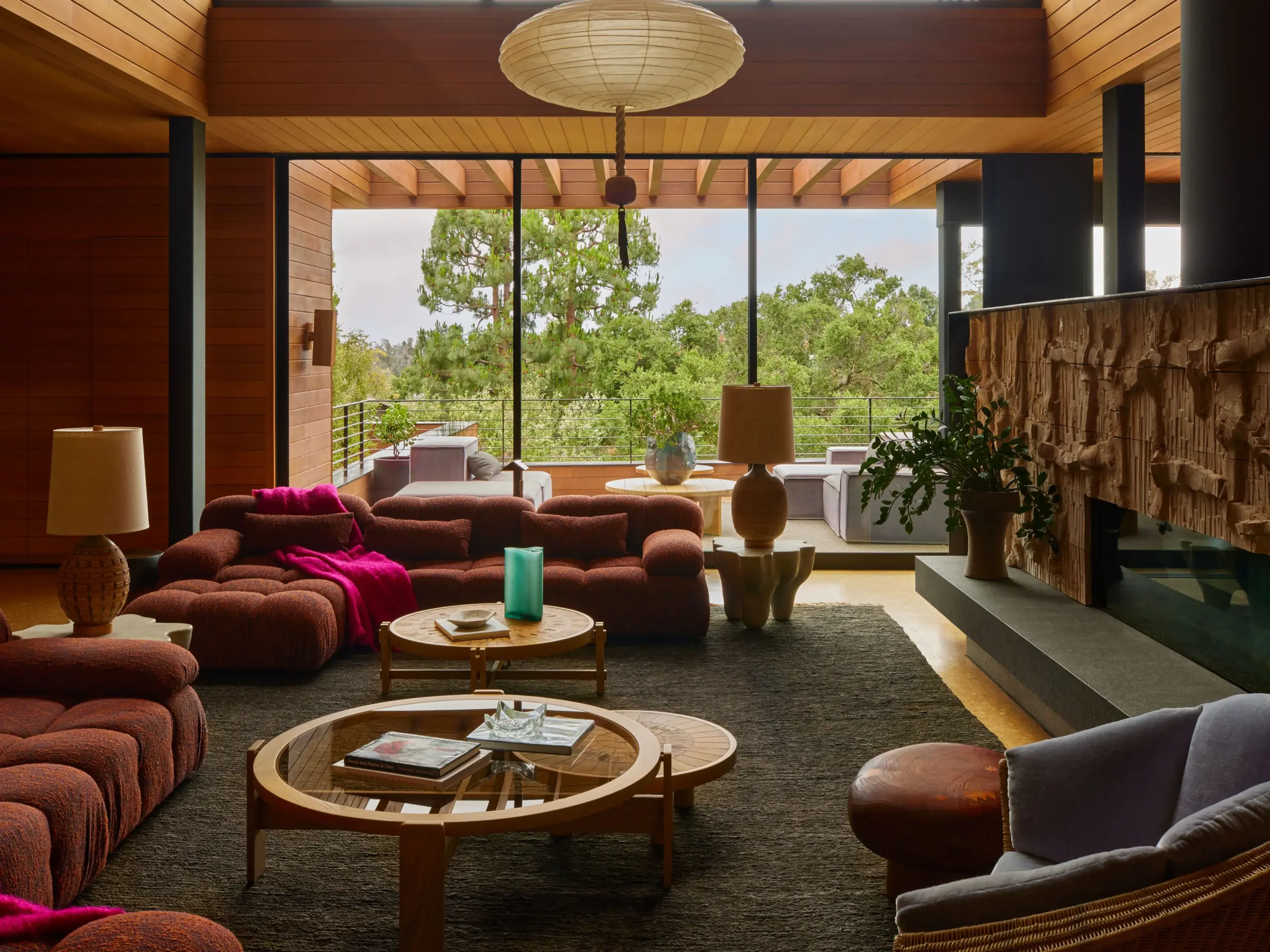
A new global directory of interior stylists curated by Architectural Digest is reshaping how design projects are presented, highlighting the growing importance of visual storytelling in the built environment. The list, featuring 35 internationally recognised stylists, underscores a shift in the design industry where the final perception of a space is as critical as its architecture and construction.
Unlike interior designers who conceptualise and execute spatial layouts, stylists operate at the intersection of design, media, and narrative. Their role focuses on refining spaces for photography and presentation—balancing light, texture, objects, and composition to create emotionally resonant environments. The curated list includes practitioners such as Colin King, Amy Chin, and Margaret Zainey Roux, whose work spans editorial shoots, residential projects, and global design campaigns. These professionals frequently collaborate with architects, developers, and brands to shape how spaces are perceived across print and digital platforms. For the real estate and urban development sectors, this evolution carries strategic implications. As cities compete for investment, tourism, and talent, the visual identity of spaces—homes, offices, hospitality projects—has become a key differentiator. Stylists contribute to this by translating built environments into compelling visual narratives that resonate with buyers, tenants, and global audiences.Industry experts point out that this shift aligns with the rise of digital-first real estate marketing. High-quality imagery, immersive storytelling, and curated aesthetics are increasingly influencing purchasing decisions, particularly in premium and aspirational housing segments. In this context, stylists are no longer peripheral contributors but integral to project positioning and branding.
The emergence of such curated talent networks also reflects the professionalisation of the styling discipline. By formally recognising stylists alongside architects and designers, platforms like Architectural Digest are helping standardise expectations, elevate industry benchmarks, and create clearer pathways for collaboration across the design ecosystem.From a sustainability perspective, the role of stylists is also evolving. There is growing emphasis on using locally sourced objects, recycled materials, and minimal interventions to enhance spaces without increasing their environmental footprint. This approach aligns with broader industry goals of reducing waste and promoting responsible consumption in the built environment.For cities undergoing rapid transformation, the implications extend beyond aesthetics. Well-presented spaces can accelerate project absorption, improve investor confidence, and enhance the perceived quality of urban living environments. As infrastructure and housing pipelines expand, the integration of design, storytelling, and sustainability is becoming central to how urban growth is communicated and experienced.
Looking ahead, the influence of interior stylists is expected to deepen as design becomes increasingly intertwined with media, branding, and user experience. In an era where visual narratives shape market outcomes, the ability to present spaces with clarity, authenticity, and emotional depth may prove as valuable as the spaces themselves.