


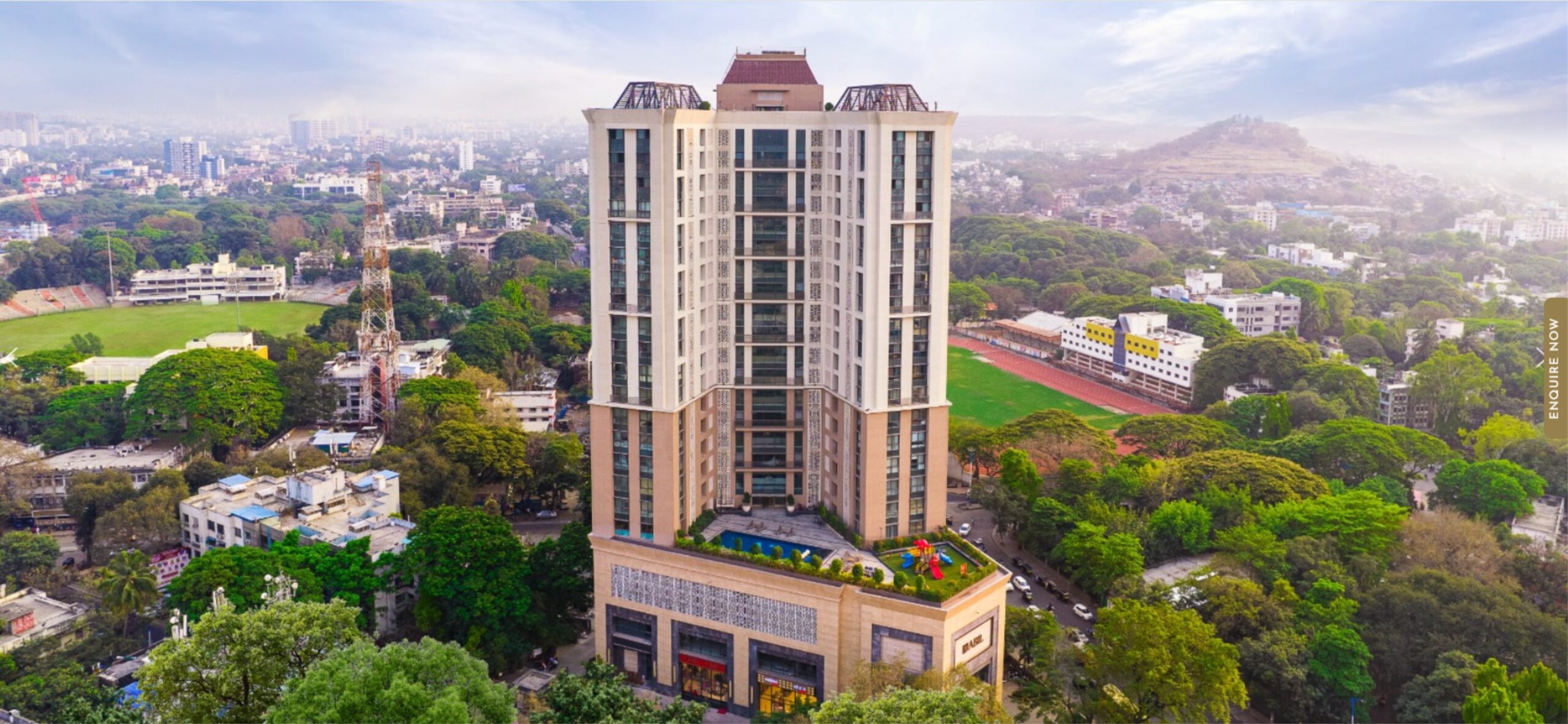
Pune’s residential housing market continues to evolve as developers recalibrate supply to match changing urban demographics, with a renewed focus on mid-sized homes designed for salaried professionals and young families. A city-based real estate developer has announced new residential projects offering two-bedroom homes across established neighbourhoods, reflecting steady end-user demand despite recent moderation in transaction volumes.
Urban planners and housing analysts note that Pune’s growth trajectory remains anchored in its diversified economy, combining technology, manufacturing, education, and services. While overall property registrations cooled slightly in 2025 after a record previous year, demand for well-located, mid-segment housing has shown resilience particularly in areas offering reliable connectivity, social infrastructure, and employment access. Two-bedroom configurations have emerged as a preferred choice for Pune’s workforce, balancing affordability with space requirements shaped by hybrid work trends. According to industry observers, households increasingly prioritise functional layouts, security, and access to community amenities over speculative investment considerations. This shift aligns with broader post-pandemic patterns seen across India’s tier-one cities. The newly announced residential supply is positioned within neighbourhoods that already possess established civic infrastructure, including schools, healthcare facilities, and public transport links. Such locations reduce pressure on peripheral expansion while supporting more compact, sustainable urban growth an approach increasingly favoured by city planners seeking to limit sprawl and infrastructure stress.
Real estate experts say this strategy reflects a wider correction underway in Pune’s housing market. Developers are becoming more selective about land acquisition and project launches, focusing on realistic absorption capacity rather than aggressive scale. This has helped prevent inventory build-up and supported relatively stable pricing across key residential micro-markets. Amenities remain an important differentiator, though buyers are reportedly placing greater emphasis on long-term livability than on aspirational features. Secure buildings, shared open spaces, fitness facilities, and efficient maintenance systems are now seen as baseline expectations rather than luxury upgrades. Environmental considerations such as green landscaping, efficient water use, and energy-conscious design are also gaining prominence, particularly among younger buyers. From an urban governance perspective, the addition of housing within existing city limits is viewed as preferable to unchecked peripheral development. Compact residential projects reduce commute distances, lower carbon emissions linked to daily travel, and make more efficient use of existing public infrastructure. Urban economists argue that such development patterns are essential for maintaining Pune’s liveability as population density increases. Looking ahead, the city’s housing market is expected to remain demand-driven, supported by employment stability and a steady influx of professionals.
While price growth is likely to remain measured, well-planned mid-segment housing in connected locations is expected to continue attracting end-users rather than speculative investors. As Pune navigates its next phase of urban expansion, the focus appears to be shifting decisively towards housing that balances affordability, quality, and sustainability signalling a more mature and people-centric real estate cycle.
Also Read: Pune Housing Market Sees Slower Deals Steady Revenues
Abhinav Group Expands Premium Housing Presence in Pune
