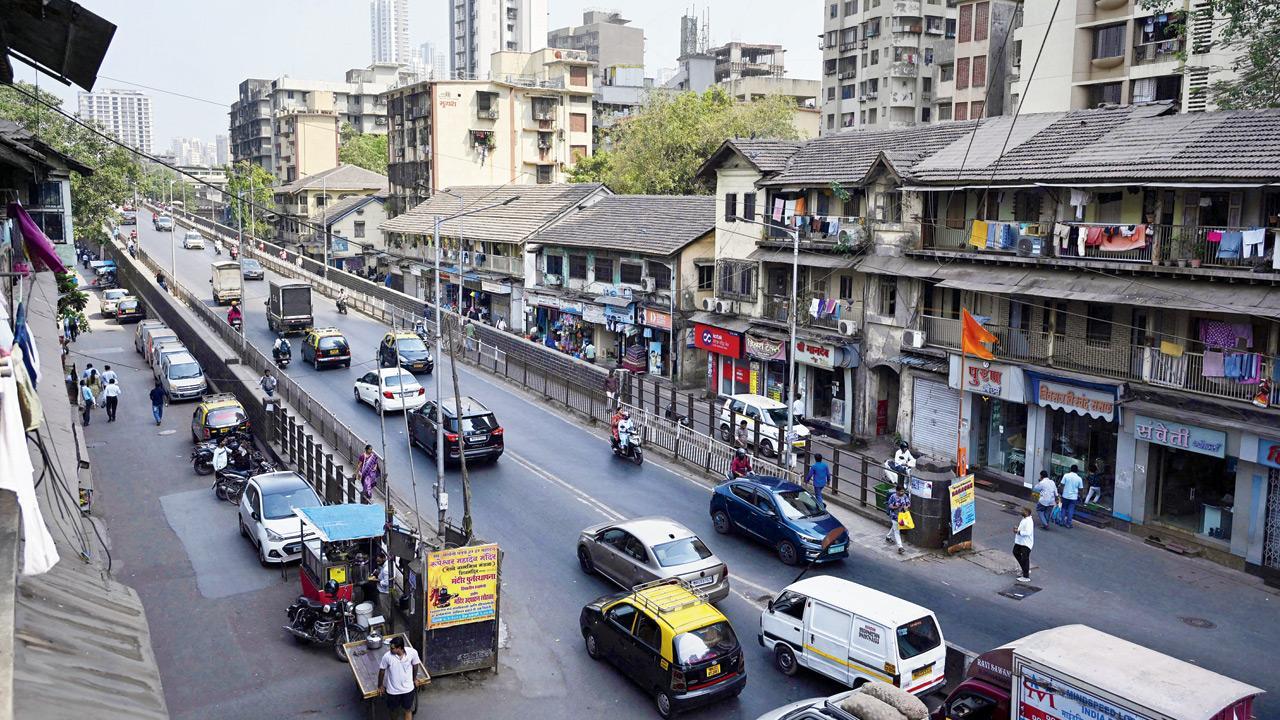
Aaditya Thackeray Urges Delay in Elphinstone Bridge Demolition
The proposed demolition of the historic Elphinstone Bridge in Mumbai has become a point of contention between political leaders, residents, and urban planners.
Shiv Sena (UBT) leader Aaditya Thackeray has raised his voice against the immediate dismantling of the bridge, demanding that the process be delayed until after the festive season. The project, which is part of a broader urban development plan to ease traffic congestion in Mumbai, has sparked strong opposition due to concerns over its timing, lack of transparency, and the impact on local communities. The Elphinstone Bridge, located in the heart of Parel, is a critical piece of infrastructure that connects key areas across the Western and Central Railway lines. Originally built during the British era, the bridge has long served as a vital east-west connector for commuters. However, as Mumbai grapples with increasing traffic congestion and the need for modernisation, the authorities have decided to demolish the bridge to facilitate the construction of the Worli-Sewri Elevated Corridor.
The demolition was initially set to begin at midnight on Friday, but local protests forced the authorities to postpone the plans. Thousands of residents from nearby chawls and colonies took to the streets, demanding a halt to the project. The protests were centred around concerns that the demolition and the ensuing construction work would cause severe disruption to their lives, particularly as many of the buildings in the area are centuries-old and might not withstand the vibrations from the work. These fears have only intensified with the absence of a concrete rehabilitation plan from the Mumbai Metropolitan Region Development Authority (MMRDA) for those living in the Project Affected Areas (PAPs). In response to these protests, Aaditya Thackeray took to social media, urging the government to rethink the timing of the demolition. In a post shared on platform X, Thackeray stated, “We will NOT let the government shut down this connector until the Ganpatrao Kadam Marg work is completed and the Sion Bridge is opened for traffic. Sane Guruji Marg is also partially under construction. Along with this, residents of the chawls near Elphinstone Bridge must be assured of in-situ redevelopment by MMRDA officials.” Thackeray’s stance reflects concerns about the lack of alternative routes for local residents once the bridge is demolished.
Thackeray further elaborated that the authorities should complete other critical infrastructure projects before proceeding with the bridge’s demolition. “The remaining work on the Worli-Sewri Elevated Corridor, including the construction of ramps and the launching of girders, needs to be finished before Elphinstone Bridge is dismantled. Only after the alternative East-West connectors are operational and residents are assured of their housing should the demolition be considered,” he added. The festive season, which typically peaks in Mumbai with numerous religious and cultural celebrations, is a time when the city sees an influx of people. Thackeray, in his plea, urged the government to defer the demolition until after this period to avoid exacerbating the already challenging mobility issues. This suggestion has been met with a measure of support from residents, who are already grappling with the ongoing construction work in the area.
The concerns surrounding the Elphinstone Bridge demolition are not limited to the local residents. Several urban planners and transport experts have also weighed in, suggesting that the timing of the project is flawed. Mumbai’s infrastructure, already under immense pressure due to the city’s expanding population and traffic, would be further strained if the project proceeds without completing alternative routes first. Critics of the project point out that the Worli-Sewri Elevated Corridor, which is expected to be a major alleviator of traffic congestion, is still incomplete and will not be fully functional for some time. Moreover, the demolition of a British-era bridge without providing the community with a clear and adequate plan for rehabilitation raises questions about the social and environmental impact of the project. Many residents fear displacement or the loss of their livelihoods due to the lack of a comprehensive rehabilitation strategy. Furthermore, the proximity of the Elphinstone Bridge to several residential buildings has raised concerns about potential damage from the vibrations caused by the demolition and subsequent construction activities. Given that many of these buildings are centuries-old and were not designed to withstand such vibrations, the residents’ fears are not unfounded.
The opposition to the Elphinstone Bridge demolition also highlights a broader issue in Mumbai’s urban development strategy: the lack of coordination between different authorities and departments. The Brihanmumbai Municipal Corporation (BMC), the MMRDA, and the Maharashtra State Government have often been criticised for failing to work together effectively, leading to confusion, delays, and the lack of transparency. Thackeray’s call for better coordination between these bodies is an important step towards ensuring that projects like the Worli-Sewri Elevated Corridor and the Elphinstone Bridge demolition do not disrupt the lives of ordinary citizens. While the MMRDA and local authorities have remained largely silent on the specifics of the rehabilitation plan for residents, there is growing pressure on them to address these concerns. Local activists and political leaders, including Thackeray, are calling for a clearer outline of the measures that will be taken to mitigate the effects of the demolition on the affected communities. At this stage, the residents’ demands are clear: they need alternative transport routes and an assurance of in-situ redevelopment before the demolition proceeds.
The Elphinstone Bridge demolition forms part of a broader strategy to modernise Mumbai’s infrastructure and reduce traffic congestion. The Worli-Sewri Elevated Corridor, which is expected to ease the flow of traffic between the island city and the western suburbs, is seen as a crucial step in this direction. However, it is equally important that this development does not come at the cost of the city’s historical landmarks, communities, and the environment. As the government deliberates on the next steps, it will need to take into account the concerns of the residents, the broader public, and urban experts. The project’s success should not only be measured in terms of how well it addresses traffic congestion, but also by how it balances modernisation with the preservation of the city’s heritage and the well-being of its residents.
The MMRDA has scheduled a crucial meeting with affected residents and local officials to discuss the way forward. In the meantime, the pressure on the government to find a solution that satisfies all parties remains high.