Indore Industries Face Cost Surge Amid West Asia War
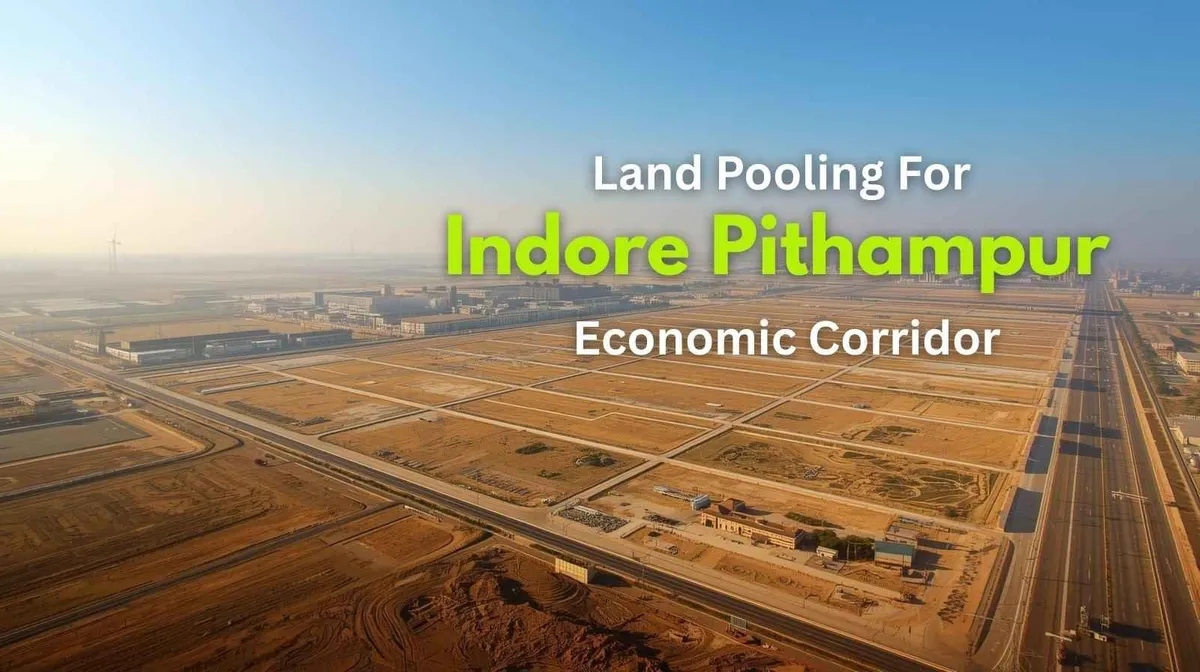
Indore — In a landmark move for urban-industrial integration in central India, the proposed Indore-Pithampur Economic Corridor has registered meaningful progress as local landowners consent to land pooling arrangements that are central to the project’s phased rollout.
This infrastructural initiative — designed to sharpen logistics links between Indore’s commercial hinterland and the industrial cluster at Pithampur — is now moving from planning toward early implementation, blending equitable land sharing with economic growth imperatives. The Madhya Pradesh Industrial Development Corporation (MPIDC) confirmed that it has secured voluntary consent from landowners for nearly 300 hectares out of the corridor’s planned area of about 1,177 hectares, which includes both private and government land. Authorities have also formalised the transfer of a significant portion of government-owned land needed for construction.
Beyond formal land registration, a pivotal government decision now ensures that farmers whose land is pooled into the project will receive up to 60 % of the developed land as part of their compensation — a departure from the standard 50 % return rate under typical land pooling policy. This enhanced benefit aims to keep rural stakeholders economically engaged in regional transformation rather than sidelined by it. Urban planners and industry experts view this participatory approach as a model for equitable corridor development that balances farmers’ economic security with broader industrial expansion goals. By guaranteeing a substantial share of developed plots to original landowners, the scheme aims to weave rural communities into the fabric of a fast-changing urban-industrial landscape. The corridor itself — a roughly 19.6-kilometre stretch designed to link Indore’s commercial corridors with Pithampur’s manufacturing hubs — is projected to attract investment in sectors from automotive and engineering to pharmaceuticals and advanced manufacturing. Improved freight movement and reduced travel times could make the region more competitive for national and global supply chains.
Economists note that such infrastructure corridors often act as catalysts for clustered growth, spurring not only industrial park development but also ancillary services, logistics nodes, and residential-commercial mixed use along the axis. This can translate into job creation and urban economic diversification — if backed by coordinated land use, connectivity improvements, and inclusive planning. For residents in the 17 affected villages, officials say the next phase involves completing remaining land pooling formalities and finalising detailed engineering designs ahead of structured construction. With land secured and community buy-in growing, the project is positioned to become a key spine of sustainable industrial expansion in the region.
While execution will require sustained governance focus, the corridor’s progress underscores shifting paradigms in Indian infrastructure — where participatory land strategies combine with connectivity investments to foster inclusive regional development.