Maharashtra to Enforce HSRP Penalties From February
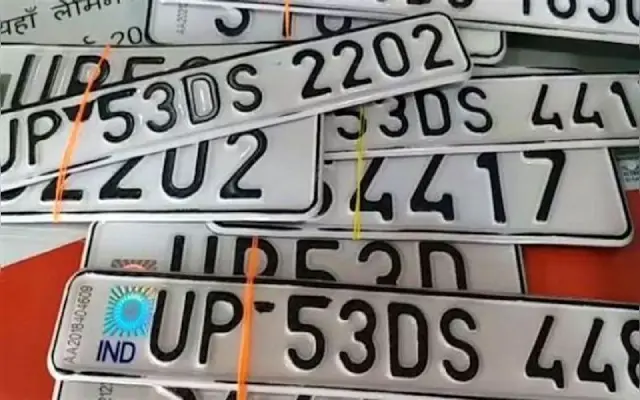
Maharashtra’s transport authorities are poised to begin stringent enforcement of high-security vehicle number plate rules from February 18, a move expected to impact everyday commuters and commercial motorists across the state as compliance rates lag significantly behind government mandates. The decision, set to shift the policy from grace period to penalties, reflects rising urgency around vehicle identification, road safety and regulatory standardisation on increasingly crowded urban roads.
High-Security Registration Plates (HSRPs) were first introduced nationwide to enhance vehicle traceability, prevent fraud and improve enforcement of traffic regulation by incorporating tamper-resistant features and unique identifiers linked to central databases. In Maharashtra, the requirement to install these plates on vehicles registered before April 2019 has been in force since late 2024, but slow uptake means a large share of the state’s registered vehicles remain in non-compliance.According to transport department data, only about 35 per cent of eligible vehicles in urban districts such as Pune have been fitted with HSRPs, leaving millions at risk of enforcement action. Authorities extended the compliance deadline multiple times — six occasions in all — in a bid to provide owners with ample opportunity to complete installation.
From February 18 onward, enforcement teams will flag, fine and potentially take legal action against vehicles found without compliant plates. The penalty for non-installation is set at around ₹1,000 under provisions of the Motor Vehicles Act, and roadside compliance checks will also encompass other credentials such as insurance, pollution under control (PUC) certificates and driving licences.Urban mobility experts observe that the prolonged transition period highlights deeper issues in implementing statewide transport reforms. “Modernising vehicle identification is necessary for city safety and regulatory oversight,” says a transport systems analyst. “However, low compliance suggests that communication, infrastructure support and user convenience must be addressed simultaneously if policy goals are to be realised.” The gaps between policy intent and on-ground realities can slow progress on broader urban safety and administrative efficiency.
The compliance challenge is particularly pronounced in Maharashtra’s sprawling urban and peri-urban settings where millions of older two- and four-wheelers ply daily. While new vehicles already come equipped with HSRPs, the retrofit requirement for older vehicles has strained installation capacity at authorised centres, and bottlenecks in booking and fitting have frustrated vehicle owners even as enforcement deadlines loomed.Transport equity advocates point out that while the HSRP policy aligns with national objectives to standardise vehicle identity and reduce crime, its implementation must be paired with accessible, affordable service delivery. This includes ensuring adequate appointment slots, transparent pricing, and outreach in lower-income or digitally underserved communities that may struggle to navigate online booking systems.
For daily commuters and commercial operators, the enforcement rollout will be a pivotal test of the state’s capacity to convert regulatory frameworks into safer, more orderly road environments without imposing undue hardship. Moving forward, iterative feedback between regulators and road users — coupled with monitoring of enforcement impacts on traffic patterns and compliance behaviour — will be key to achieving both compliance and the broader public policy goals of safety, security and responsible urban mobility.