Pune Infrastructure Push Eases Chakan Talegaon Congestion
Pune’s transport network is set for a significant infrastructure overhaul along the Chakan–Talegaon corridor, a lifeline for commuters and industrial freight traffic that has long struggled with gridlock and safety challenges. The expanded works aim to systematically enhance road capacity and travel reliability in one of the region’s busiest economic zones, promising relief for daily commuters, logistics operators and the broader metropolitan economy.
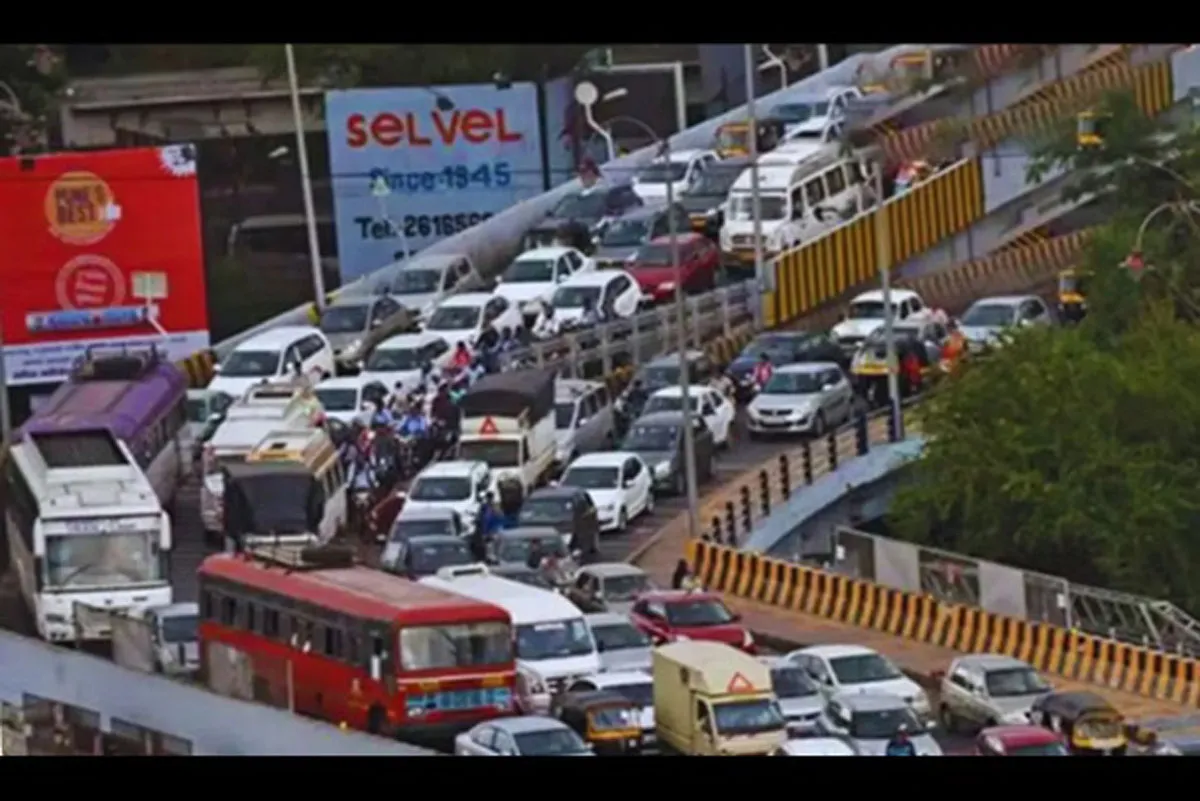
Traffic congestion between Chakan and Talegaon in the Pune Metropolitan Region (PMR) has been a persistent civic and economic headache, stunting productivity and quality of life for residents and industrial workers alike. This stretch, which links several major industrial estates with Pune city and national highway networks, routinely experiences delays during peak hours, affecting thousands of commercial and private vehicles daily. Residents and business groups have previously staged protests and public campaigns to press for government action on the chronic bottleneck.Responding to this, the Pune Metropolitan Region Development Authority (PMRDA) has unveiled a suite of road upgrades designed to widen and strengthen critical links around Chakan and Talegaon. Recent plans include widening and resurfacing major roads, expanding carriageway widths in multiple locations, and beginning land clearance for future bypass routes that would divert heavy vehicles away from densely populated stretches. These works form part of a larger investment programme of over ₹55 crore focused on road upgrades in and near Chakan, with early phases targeting both arterial and district roads.
Urban mobility planners emphasise that increasing carriageway widths — in some areas from around 3.75 metres to up to 10 metres — will not only enhance vehicle throughput but also improve overall road safety by separating fast-moving freight from local traffic. This is particularly critical in a region with significant industrial activity, where heavy vehicles compete with everyday urban traffic.Beyond capacity enhancements, authorities are advancing encroachment-clearance initiatives along key stretches, recognising that informal structures and narrow carriageways have exacerbated congestion and limited the effectiveness of past traffic interventions. Proactive land-use enforcement, paired with infrastructure investment, reflects an emerging planning approach that integrates urban form with mobility improvements.
Despite progress, some urban experts caution that these road works — while necessary — are only one element of a comprehensive solution. Long-term reduction of congestion will likely depend on multimodal integration, improved public transport services to industrial zones, and strategic network design that channels through-traffic to ring roads and service corridors rather than urban arterial streets. The proposed Pune Ring Road, for example, could relieve central and peri-urban pressure if completed in tandem with these upgrades.For local residents and workers, the real test will be how effectively authorities coordinate construction phasing with traffic management to minimise disruption during peak travel periods. With major events like the upcoming Kumbh Mela and ongoing industrial expansion in the region, delivering these works on schedule and integrating them into broader sustainable mobility strategies will be crucial.
As Pune evolves into a more connected and climate-resilient metropolis, policymakers must ensure that near-term congestion relief lays the groundwork for long-range transit access, equitable commuter experience and low-carbon urban growth.