


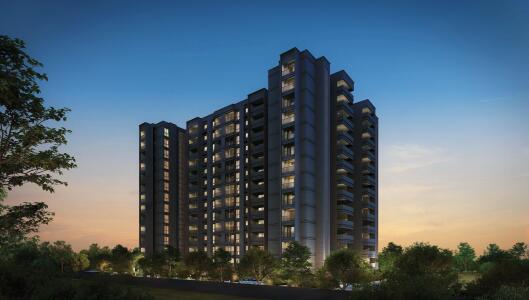
Residential property prices in India’s technology capital have climbed 66% since 2019, marking one of the sharpest post-pandemic surges among major metros and reinforcing the city’s position as a high-growth housing market.
Average apartment values have risen from roughly Rs 6,000 per sq ft before Covid-19 to nearly Rs 10,000 per sq ft in 2025, according to market assessments tracking six-year trends. The pace of growth places Bengaluru ahead of several western markets, while remaining slightly behind high-velocity regions such as Hyderabad and parts of the National Capital Region. Industry analysts attribute the escalation to sustained employment expansion in global capability centres (GCCs), infrastructure upgrades and a steady shift towards organised, gated developments. Unlike earlier cycles driven by speculative buying, market observers describe the current upswing as largely end-user led. North Bengaluru continues to anchor new supply, supported by airport connectivity and large technology campuses. In contrast, southern neighbourhoods are witnessing faster incremental growth as metro rail extensions improve accessibility. East Bengaluru, once synonymous with new launches, is now seeing robust resale traction, suggesting price discovery is maturing across established micro-markets.
Data from brokerage firms indicate that gated communities now account for more than half of buyer preferences, reflecting demand for managed amenities, security and community infrastructure. Larger project sizes have also become common, with developers consolidating land parcels and launching fewer but more expansive schemes. The 66% increase in Bengaluru property prices has not been uniform. High-growth corridors near technology parks and metro lines have recorded disproportionately strong gains, while mature localities have seen steadier appreciation. Some micro-markets have nearly doubled in value over six years, underlining the importance of corridor selection. Executives from real estate platforms argue that infrastructure remains the most decisive factor shaping Bengaluru property prices. Metro connectivity, arterial road expansion and proximity to employment hubs continue to influence buyer decisions. K R Puram, Whitefield and Electronic City have emerged as demand hotspots, driven by transit access and completed housing inventory. Urban economists caution, however, that rapid price growth must be weighed against affordability concerns. While the city’s median income levels are comparatively strong, sustained appreciation could stretch first-time buyers unless supply diversifies across mid-income segments. At the same time, planners note that structured growth presents opportunities for more climate-resilient housing. Larger master-planned communities can incorporate water management systems, energy-efficient design and green building standards at scale features increasingly relevant as Bengaluru grapples with water stress and urban heat.
Looking ahead, developers forecast continued momentum over the next 12 to 18 months, supported by job creation and infrastructure delivery. Whether growth stabilises or accelerates further will depend on supply discipline, borrowing costs and the city’s ability to balance expansion with liveability. For now, Bengaluru stands out as a market where economic fundamentals and urban transformation are reshaping the value of residential land corridor by corridor.
Also Read: SUYUG Infra campaign reshapes brand strategy
Bengaluru real estate sees 66 percent rise
