


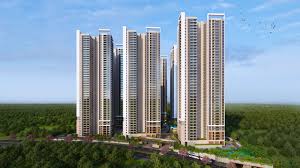
Luxury apartment prices in Neopolis, the fast-rising residential cluster near Kokapet, are touching Rs 7–10 crore, reshaping the profile of buyers in one of the city’s most ambitious premium corridors and raising fresh questions about environmental readiness.
Market data from local brokers and developers indicate that while the ticket sizes rival established luxury districts in Mumbai or Bengaluru, demand has not stalled. However, contrary to popular perception, non-resident Indians account for a relatively small share of transactions in Neopolis. Instead, a significant portion of purchases is being driven by affluent Hyderabad-based families upgrading within the city. Industry executives estimate that nearly half to two-thirds of buyers in top-tier gated projects come from legacy neighbourhoods such as Jubilee Hills and Banjara Hills. Many of these households, already residing in independent villas, are acquiring high-rise luxury apartments for their children who prefer managed communities with security, amenities and proximity to emerging commercial hubs. This generational shift reflects a broader transformation in urban living preferences. Younger buyers are prioritising vertical living, clubhouse ecosystems and integrated townships over standalone homes. Urban economists note that such intra-city wealth transfers including liquidation of agricultural land or secondary assets are fuelling high-value absorption in Neopolis. A second layer of demand is emerging from investors outside Telangana, particularly from Mumbai. With Hyderabad offering comparatively lower per-square-foot pricing than India’s financial capital and promising infrastructure-led growth, some high-net-worth individuals are diversifying their portfolios into the city’s western growth corridor. A smaller segment comprises senior technology professionals and entrepreneurs who can directly afford the elevated ticket sizes.
Yet the luxury narrative is unfolding alongside environmental challenges. Neopolis and surrounding Kokapet areas are characterised by rocky terrain, and large-scale excavation and rock-cutting for new projects have led to persistent dust generation. Prospective residents and developers acknowledge that particulate matter remains a concern, particularly as projects approach handover stages. Urban planners caution that if construction-linked dust is not managed through stricter mitigation norms, air quality could affect liveability and long-term asset values. Measures such as controlled blasting, water spraying, debris management and green buffers are increasingly being discussed as essential interventions. Observers suggest that as major phases of excavation conclude over the next few years, environmental conditions may stabilise. Projects delivered later in the decade could benefit from a more settled landscape, provided infrastructure and regulatory oversight keep pace with development intensity.
For now, Neopolis represents both the ambition and growing pains of Hyderabad’s luxury expansion a market powered less by overseas capital and more by domestic wealth redistribution, navigating the balance between premium aspiration and sustainable urban growth.
Also Read: Puravankara expands Mumbai housing footprint
Hyderabad Neopolis luxury homes test demand
