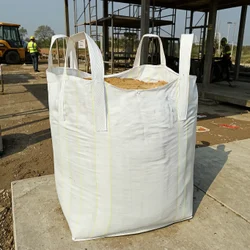
After an eight-month lull, manufacturers in Madhya Pradesh’s polypropylene (PP) jumbo bag sector are witnessing a resurgence in orders from American cement buyers, heralding a potential revival for a niche but strategically important node in global supply chains. The uptick follows New Delhi and Washington reducing reciprocal tariffs on Flexible Intermediate Bulk Containers (FIBCs) to 18 per cent, easing long-standing cost barriers that had constrained Indian exports to the United States.
FIBCs — large, woven PP containers widely used to transport bulk commodities such as cement, chemicals and agricultural products — are essential in global logistics, particularly for the building materials industry. Madhya Pradesh, with about 15 manufacturing units concentrated in the Pithampur industrial belt, accounts for roughly 30 per cent of India’s total FIBC output, producing between 10,000 and 15,000 tonnes monthly.The sector had struggled after the United States imposed steep tariffs as high as 50 per cent, which made Indian suppliers uncompetitive compared with regional rivals. During that period, many manufacturers pivoted to European markets, where tariff regimes were more favourable. Now, with the duties eased, buyers in the US construction and materials sectors are reportedly placing fresh enquiries and orders — a sign that trade policy shifts can have immediate commercial impacts.
Industry executives in Indore and Pithampur say one immediate order — around 500 tonnes of jumbo bags — arrived shortly after the tariff adjustment. Although the revised 18 per cent duty still exceeds the historical average of about 8.4 per cent, exporters argue this level’s competitive parity relative to tariffs on other Asian suppliers such as Vietnam and Turkey supports renewed interest from American buyers.For Madhya Pradesh’s manufacturing ecosystem, this development has implications beyond export numbers. Increased export momentum could help absorb excess capacity and incentivise firms to scale production back up after months of operating below peak utilisation. That, in turn, could stimulate employment in logistics, textiles and ancillary services, strengthening industrial linkages within the state’s economy.
Urban economists and trade analysts note that packaging exports such as jumbo bags matter to city and regional economies because they reflect value-added manufacturing and integration into global supply chains. These segments can anchor broader economic development, especially for tier-2 cities like Indore, where industrial clusters support surrounding townships and workforce mobility. The tariff clarity that encouraged buyers to return also underscores the importance of predictable trade policy in securing long-term contracts and investment plans.Yet, stakeholders caution that sustained export growth hinges on further policy support and diversification of markets. Exploratory talks with European and other global buyers are ongoing, suggesting that while the US market’s re-entry is a boon, it should not be the sole focus. Broadening destinations and enhancing product quality — for example, incorporating recycled materials or lighter, durable PP weaves — could make India’s jumbo bag sector more resilient to tariff shifts and cyclical demand in major economies.
As global supply chains continue to evolve amid shifting trade norms and construction demand cycles, Indore’s packaging manufacturers are poised at a juncture: with renewed access to the Americas cement supply chain, they have an opportunity to cement — quite literally — India’s role in this specialised export market.