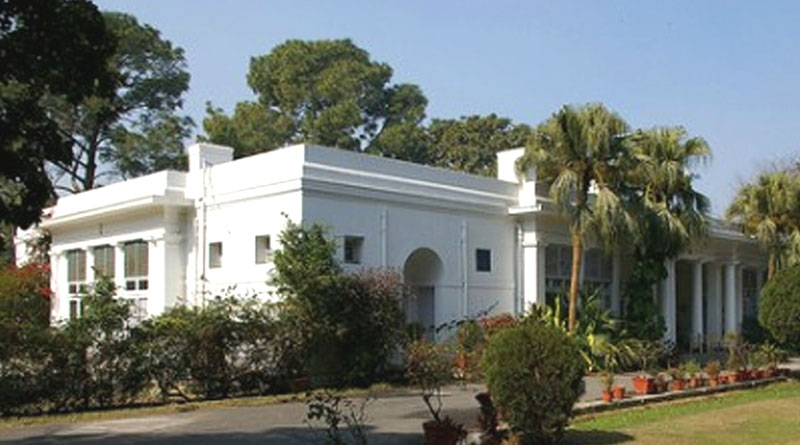
A 3.2-acre private estate on Bhagwan Das Road in the capital’s Lutyens Bungalow Zone is poised to change hands in a transaction estimated at around ₹1,000 crore, signalling renewed momentum in India’s most exclusive residential market. The seller, a member of a former royal family, is understood to be in advanced discussions with a Delhi-based entrepreneur active in the food and beverage sector.
If concluded, the deal would rank among the largest private residential transactions in the country. It would also mark the buyer’s second marquee acquisition in the Lutyens Bungalow Zone (LBZ), following an earlier agreement to acquire another historically significant property in the same district for a reported sum exceeding ₹1,100 crore. Legal due diligence is under way. A leading law firm representing the prospective purchaser has issued a public notice inviting any claims on the Bhagwan Das Road plot, a standard step in high-value property transfers to establish clear title and avoid future disputes.
The Lutyens Bungalow Zone, designed during the early 20th century as the administrative heart of New Delhi, spans nearly 28 square kilometres and comprises roughly 3,000 low-density bungalows set within expansive green plots. While a large share of these homes is government-occupied, a limited pool of privately held estates has become synonymous with generational wealth and institutional power. Market analysts describe such assets as “trophy estates” properties valued not only for land size but also for heritage character, location security and development restrictions that limit subdivision. Strict planning controls, including height caps and tree preservation norms, preserve the district’s garden-city form but also constrain supply, intensifying competition when properties become available.
The scale of the proposed Lutyens bungalow sale highlights widening stratification within Delhi’s property landscape. While luxury transactions surge at the very top, much of the city continues to grapple with affordability pressures and uneven access to serviced land. Urban economists note that ultra-premium deals have limited direct impact on housing supply but can influence benchmark land values and investor sentiment across central districts. From a planning perspective, the concentration of capital in protected low-density enclaves raises broader questions about land efficiency in a rapidly growing metropolis. Delhi’s population and economic footprint continue to expand, even as large tracts within the LBZ remain insulated from densification.
Some urban planners argue that the long-term sustainability of the capital depends on balancing heritage conservation with more inclusive land-use strategies elsewhere in the city. For now, however, the immediate focus remains on regulatory clearances and completion formalities. Should the Lutyens bungalow sale proceed, it would reaffirm the enclave’s status as India’s most tightly held and symbolically powerful real estate market where history, scarcity and capital converge on a handful of tree-lined avenues.
Delhi Lutyens Bungalow Sale Nears 1000 Crore