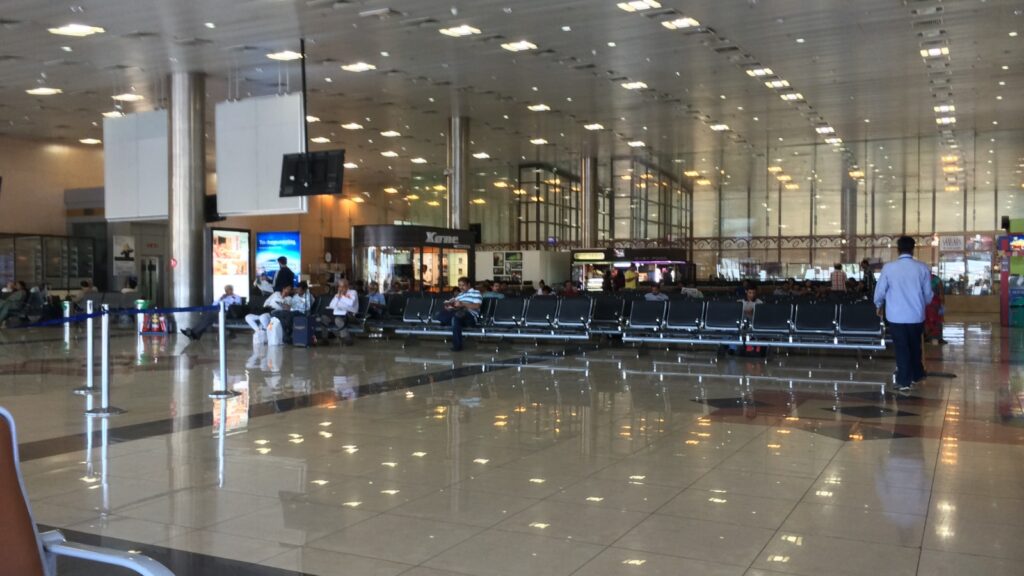
Pune Airport to Launch Fast-Track Immigration System
Pune’s Lohegaon Airport is preparing to introduce a high-speed immigration clearance system for international travellers, a move that could significantly ease congestion and improve operational efficiency at the city’s expanding aviation hub. The proposed programme, currently under review by the Home Ministry, is designed to allow pre-registered passengers to clear border formalities in under half a minute, potentially transforming the airport experience for frequent flyers and business travellers alike.
The initiative, modelled on international “trusted traveller” systems, integrates pre-enrolment, biometric verification, and automated e-gates to streamline arrivals and departures. Experts note that similar programmes at other Indian airports have reduced peak-hour waiting times by up to 70%, freeing up terminal space and enabling quicker aircraft turnaround. For Pune, which managed over 330,000 international passengers last year a 65% increase over 2024 this could address one of the airport’s operational bottlenecks: limited aircraft parking capacity.
Urban planners and aviation analysts highlight that faster passenger movement at Lohegaon could have broader implications beyond the terminal. Improved efficiency may attract additional international carriers, while reducing ground congestion lowers emissions from idling aircraft and service vehicles. “For a growing city like Pune, integrating technology-driven clearance systems aligns with sustainable transport and airport planning,” said a senior urban infrastructure consultant. Business and corporate travel stand to benefit substantially. Pune’s IT corridors and industrial zones rely on frequent short-haul travel for client meetings and site visits. Trusted traveller programmes allow executives to reclaim time lost in long queues, supporting more flexible itineraries and enhancing workforce productivity. Industry specialists also point out that easing airport congestion can strengthen Pune’s competitiveness as a regional business hub, supporting investment in knowledge-driven and industrial sectors.
Implementation will follow a pilot phase, where applicants submit travel documents online and undergo biometric enrolment at designated centres or during initial travel. The technology infrastructure, including automated gates, can be operational within weeks of budget approval, according to airport officials. Planners stress that sustained monitoring and data-driven adjustments will be necessary to ensure inclusivity and equitable access for all eligible passengers. As Pune’s international connectivity grows, adopting automated immigration processes reflects a convergence of operational efficiency, environmental responsibility, and citizen-centred urban planning. Once launched, the programme could serve as a model for other mid-sized Indian cities seeking to balance rapid mobility, low-carbon transport, and economic growth.