Mumbai Embraces Happy Streets Initiative In Chembur
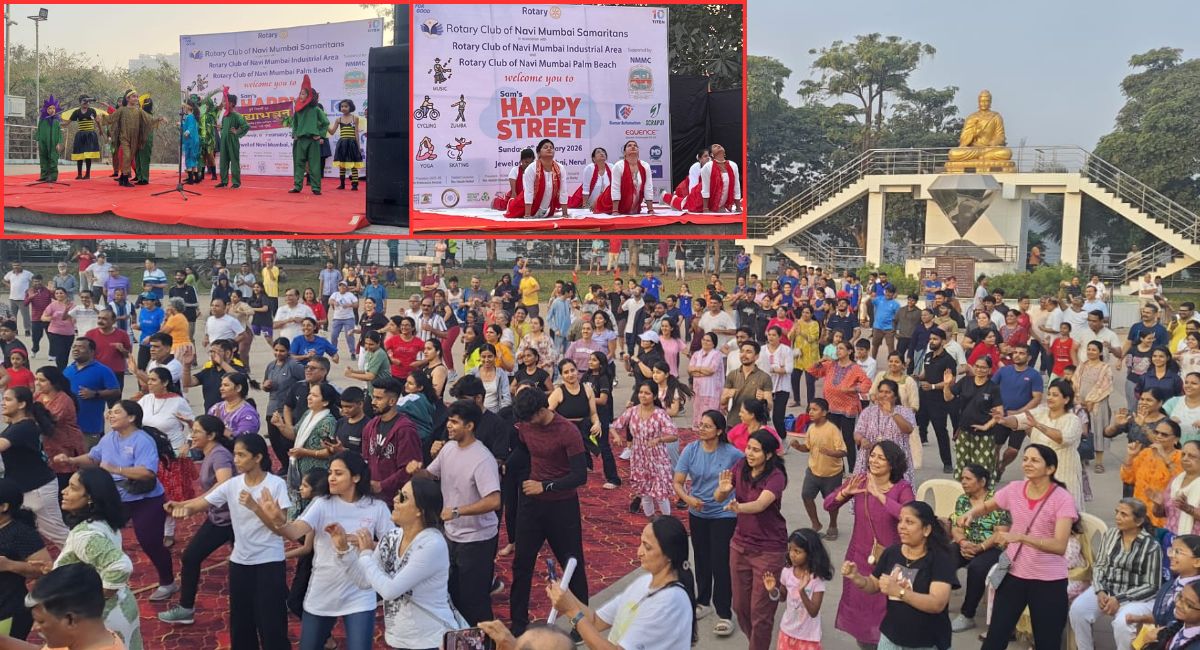
A long-standing experiment in reclaiming urban space for people, play and wellbeing returned this month to Chembur’s RCF Road, transforming a bustling thoroughfare into a vibrant, vehicle-free public zone that drew families, fitness enthusiasts and neighbours together on a Sunday morning. The Happy Streets initiative — designed to re-envision city streets as inclusive community spaces rather than traffic conduits — reflects a broader shift in Indian cities toward pedestrian-centred public life as a pillar of sustainable, people-first development.
Hosted on February 1, the event temporarily closed the roadway near Chandak Highscape City to motorised traffic, opening it up for activities ranging from art and fitness to shared conversation and play. Participants of all ages embraced the energy of a street reclaimed from vehicles, reinforcing the idea that vibrant public spaces can strengthen civic wellbeing, urban cohesion and active living.Urban design experts note that initiatives like Happy Streets are more than weekend diversions; they signal a paradigm shift in how cities can use streets as platforms for social interaction, culture and health. In cities with rapid motorisation and growing population densities, designated programs that prioritise pedestrians can help reduce vehicular emissions, improve air quality and build resilience into urban mobility ecosystems. Such programmes also complement broader policy efforts to enhance walkability and safety on city roads.
Happy Streets has featured in multiple urban contexts in recent years — from Thane and Kothrud in Pune to other neighbourhoods — where similar vehicle-free stretches have been animated by community fitness sessions, dance, music and arts activities. These variations demonstrate an emerging culture of civic participation that transcends neighbourhood boundaries, fostering opportunities for social connection and inter-generational engagement.The Chembur edition emphasised fun and togetherness as key outcomes, with organisers and participants alike celebrating the chance to interact in public space without the disruptions of traffic. For many residents, Happy Streets offers a breath of fresh air in dense urban settings where everyday street life is dominated by cars, buses and two-wheelers. Public space advocates argue that such moments of collective occupation can catalyse long-term changes in how people relate to their cities.
At the heart of the concept is a simple urban planning premise: streets are not just conduits for vehicles but vital communal areas that shape how people experience their city. When they are opened to foot traffic, cycling and social activity, they activate human interaction and make neighbourhoods more livable. These soft infrastructure experiences — even if episodic — can inform permanent design interventions such as widened sidewalks, dedicated cycle paths and traffic calming measures.Critically, urbanists stress the need for inclusive frameworks that ensure Happy Streets and similar initiatives resonate with diverse populations, including older adults, children and people with mobility challenges. Embedding accessibility features and ensuring safe, continuous connectivity to transit and neighbourhood amenities will determine whether temporary events evolve into enduring public assets.
As Mumbai and other cities explore how to expand such experiments, there is a growing recognition that public spaces are essential infrastructure — crucial not just for mobility or commerce, but for community resilience, mental wellbeing and sustainable urban living.