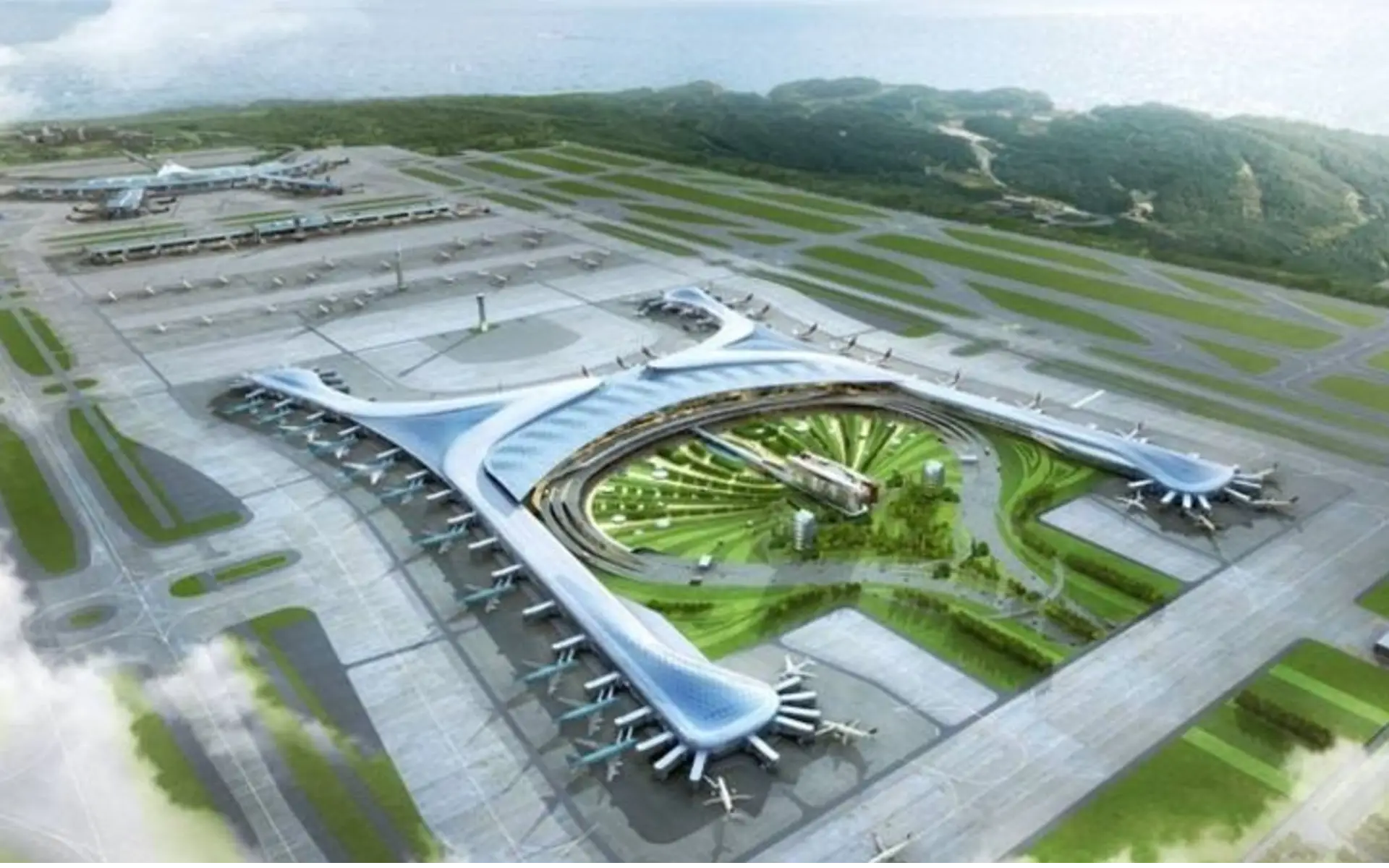
Pune Region Moves Ahead On Purandar International Airport
The Maharashtra government has formally approved a structured land acquisition strategy for the long-planned Purandar International Airport, setting an ambitious target to complete the process by June 2026. The state cabinet’s decision — part of a wider infrastructure push — aims to transition the proposed airport from planning to execution, addressing chronic connectivity constraints in western Maharashtra and supporting future-ready transport networks.
Purandar, located roughly 45 km southeast of Pune, has been on the state’s aviation agenda for over a decade. The project’s renewed momentum reflects a broader policy focus on regional gateways that can relieve pressure on existing hubs like Pune’s Lohegaon airport, which has seen rapid passenger and cargo growth. Once operational, Purandar International Airport is expected to position the Pune region as a critical node for global travel and trade, bolstering direct links to the Middle East, Europe and Southeast Asia.Under the cabinet mandate, land acquisition — which encompasses around 2,700–2,800 hectares spread across multiple villages in Purandar taluka — will be executed through a combination of statutory mechanisms and negotiated settlements with landowners. Previous outreach to affected communities has yielded high levels of consent from landholders, a milestone that officials say will reduce procedural delays and build legitimacy for the project.
Economic strategists point out that securing land early is vital for large infrastructure projects. Unlike transport nodes within dense urban cores, greenfield developments like Purandar must navigate complex rural landholding patterns, regulatory clearances and intricate compensation arrangements — all before major construction contracts can be awarded. Finishing land acquisition by mid-2026 would allow project stakeholders to shift focus toward critical tasks such as detailed design, environmental assessments, and utility planning later this year.For local economies, the airport’s arrival could be transformative. Enhanced air cargo services are projected to invigorate agribusiness supply chains, enabling farmers and small enterprises to access export markets more efficiently. Likewise, tourism, high-tech industries, and logistics clusters may find a more competitive base in Pune’s extended hinterland, stimulating equitable economic opportunities beyond the city centre.
However, the path to realisation is not without challenges. Compensation rates and rehabilitation packages remain sensitive issues, with some farmers seeking higher valuation levels, a tension that has occasionally slowed progress. Independent analysts warn that transparent and fair compensation mechanisms — coupled with adequate consultation — are critical for avoiding social discontent and ensuring inclusive development.From an environmental perspective, bringing a major airport into a largely rural landscape also demands robust sustainability safeguards. Integrating climate-adaptive design, ecosystem conservation and low-carbon transport links — such as dedicated public transit to Pune and neighbouring urban centres — will be important to mitigate ecological impact and align the project with long-term climate resilience objectives.
As the state moves toward its June 2026 land-completion goal, attention is shifting to the implementation roadmap: financing strategies, private sector participation models, and community engagement frameworks. How authorities balance rapid infrastructure delivery with social and ecological stewardship will shape not only the success of Purandar International Airport but also Maharashtra’s broader vision for equitable, sustainable regional growth.