


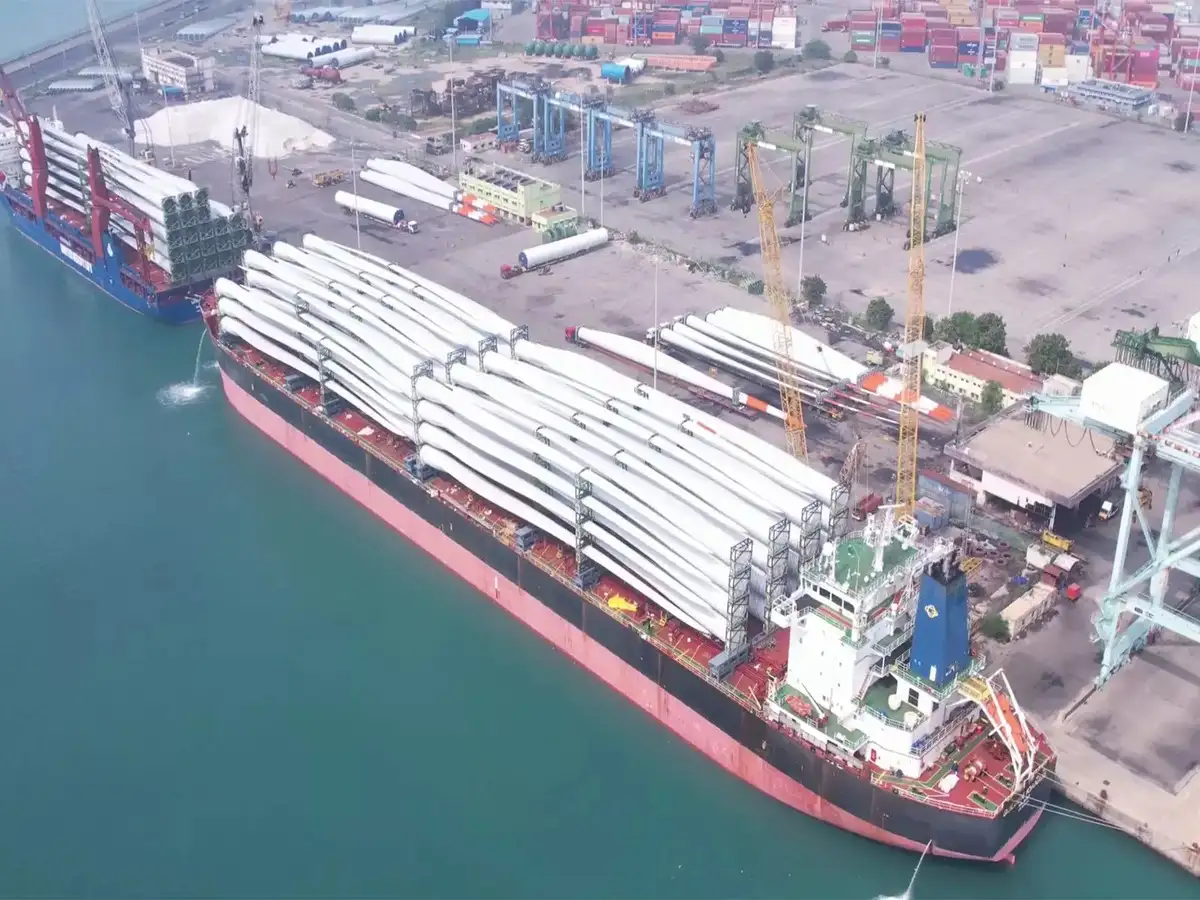
India’s port-led development agenda is entering a new digital phase as a major southern port hosted a high-level preparatory dialogue on the use of artificial intelligence in maritime and port operations, ahead of a national technology summit scheduled for 2026. The engagement brought together policymakers, port administrators, technology specialists, and logistics stakeholders to examine how data-driven systems could reshape efficiency, safety, and sustainability across India’s maritime gateways.
Held at the port city of Thoothukudi, the closed-door deliberations focused on practical applications of artificial intelligence across vessel traffic management, cargo handling, predictive maintenance, and energy optimisation. Officials associated with the port authority described the exercise as an opportunity to align operational priorities with India’s emerging digital infrastructure roadmap, particularly as ports face rising throughput, tighter environmental standards, and growing climate-related risks. Ports play a critical role in India’s urban and economic ecosystem, serving as anchors for industrial clusters, logistics parks, and coastal cities. Urban infrastructure experts note that congestion, delays, and inefficient asset utilisation at ports have downstream effects on supply chains, real estate development, and employment in port-adjacent regions. AI-enabled systems, if deployed responsibly, could help ports move from reactive operations to anticipatory management, reducing dwell times and energy consumption while improving worker safety. Industry specialists participating in the discussions highlighted that artificial intelligence can support climate-resilient port infrastructure by improving weather forecasting, monitoring structural stress, and optimising berth allocation during extreme conditions. As sea levels rise and weather volatility increases, such capabilities are becoming essential rather than optional. Integrating AI into port planning can also assist cities in managing coastal risks more effectively, given the close interdependence between ports and urban drainage, transport, and power systems.
From a market perspective, digital readiness is increasingly influencing investment decisions in maritime infrastructure. Logistics and shipping analysts point out that ports with advanced data systems are better positioned to attract global shipping lines, green finance, and value-added logistics services. This has implications for real estate development in port cities, where demand for warehousing, cold storage, and industrial space is closely linked to port performance. However, experts cautioned that technology adoption must be accompanied by governance reform and workforce upskilling. A senior maritime policy official noted that AI systems are only as effective as the data they rely on, underscoring the need for standardised data protocols, cybersecurity safeguards, and transparent decision-making frameworks. Equally important is ensuring that automation complements, rather than displaces, human expertise through structured reskilling programmes.
The Thoothukudi engagement is expected to feed into national-level discussions at the upcoming technology summit, shaping guidelines for AI deployment across ports and maritime agencies. As India modernises its port infrastructure, the challenge will be to balance innovation with inclusivity, resilience, and accountability. If approached holistically, AI-driven maritime operations could strengthen port cities as engines of sustainable growth while supporting a more efficient and climate-aware logistics network.
Also Read: India Maritime Strategy Reshapes Container Shipping Capacity
Thoothukudi Maritime Hub Tests Artificial Intelligence Use
