


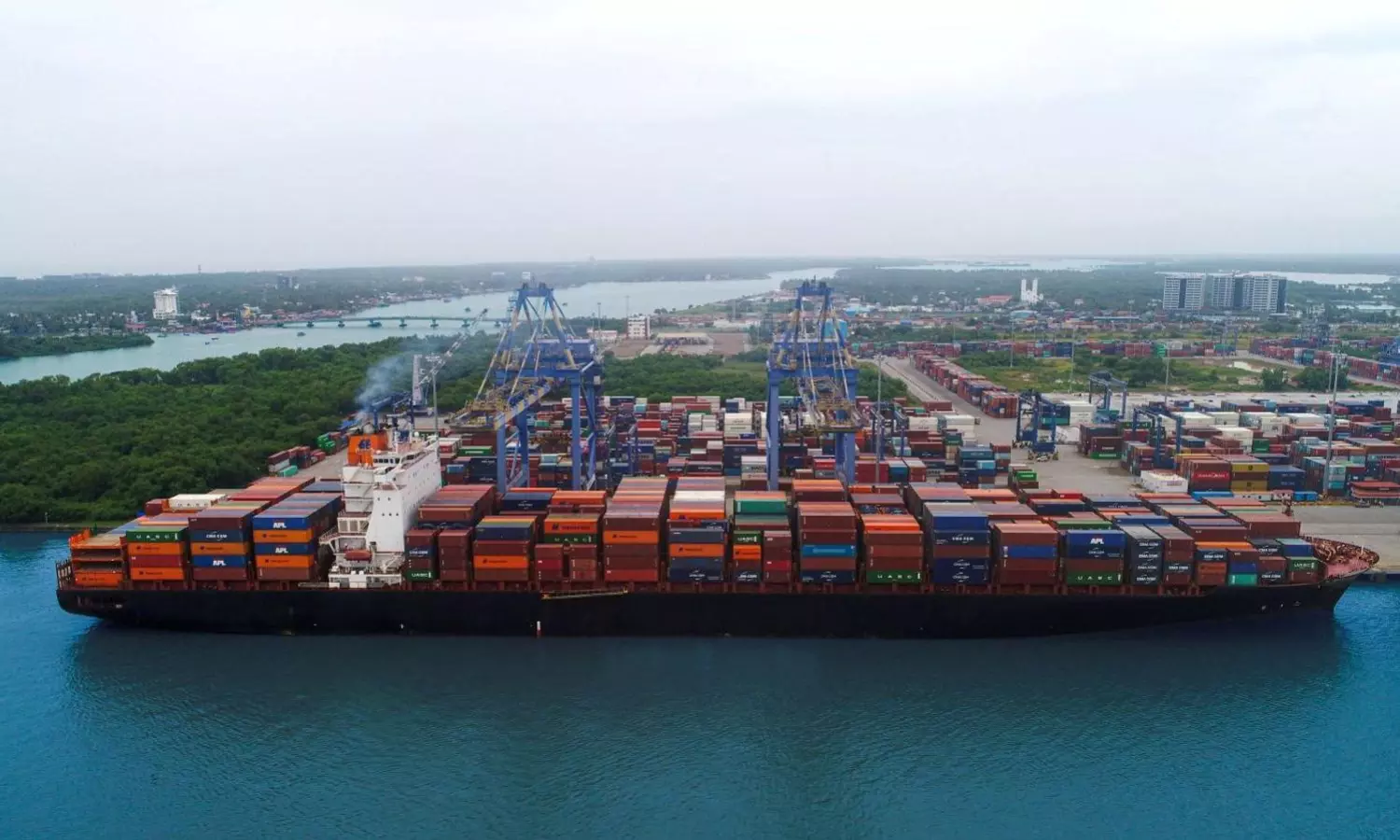
India has taken a significant step towards strengthening its maritime logistics ecosystem with a formal agreement to operationalise a domestically anchored container shipping line. The move, formalised through a memorandum of understanding between key public-sector maritime institutions, aims to reduce dependence on foreign shipping lines and improve supply chain resilience at a time when trade volatility and geopolitical disruptions are reshaping global logistics.
The initiative focuses on developing a national container shipping capability that can support India’s expanding manufacturing base, port-led industrial corridors, and export-driven urban economies. Senior officials associated with the agreement indicate that the proposed shipping line will prioritise Indian ports, coastal routes, and strategic international trade lanes, ensuring greater control over freight availability and pricing during periods of global disruption. India currently relies heavily on foreign-flagged vessels for containerised cargo, exposing exporters and importers to fluctuating freight rates and capacity shortages. Logistics analysts note that these vulnerabilities became especially visible during recent global supply chain shocks, when container scarcity and elevated shipping costs strained manufacturers, small exporters, and urban consumption markets. A domestically supported container shipping network is expected to provide a stabilising counterbalance. For port cities and coastal urban regions, the implications extend beyond trade volumes. A more predictable container shipping framework can support long-term planning for port infrastructure, logistics parks, and allied real estate development. Urban development experts point out that efficient maritime connectivity influences land use decisions, warehousing demand, and employment generation in port-adjacent districts, particularly in emerging industrial clusters.
The agreement also aligns with India’s broader push towards climate-resilient and efficient transport systems. Maritime freight remains one of the least carbon-intensive modes of long-distance transport per tonne-kilometre. Industry specialists suggest that integrating modern, fuel-efficient vessels and optimised routing into the national shipping strategy could further lower emissions while easing pressure on road and rail freight corridors serving major cities. However, challenges remain. Shipping economists caution that operational viability will depend on fleet acquisition strategy, cost competitiveness, and seamless integration with port operations and hinterland connectivity. Without parallel investments in port efficiency, digital cargo handling, and last-mile logistics, the benefits of a national container shipping line could be constrained. Transparent governance and commercial discipline will be essential to ensure that the initiative complements rather than distorts existing market dynamics.
From an economic equity perspective, improved container availability could particularly benefit small and medium exporters based in non-metro regions, who often face disproportionate logistics costs. More reliable shipping services can enhance their access to global markets, supporting regional economic diversification and job creation. As implementation moves forward, policymakers and industry stakeholders will be watching how quickly the framework translates into operational capacity. The success of the initiative will ultimately be measured not by institutional agreements alone, but by its ability to deliver reliable, cost-effective, and environmentally responsible shipping services. If executed effectively, the effort could strengthen India’s port-led growth model while reinforcing the resilience of cities and industries increasingly dependent on global trade flows.
Also Read: Bharat Shipping Line Reshapes Maritime Employment Landscape
India Maritime Strategy Reshapes Container Shipping Capacity
