


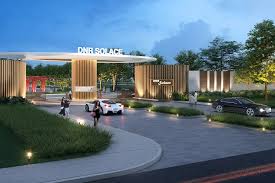
North Bengaluru’s evolution into a key residential growth corridor is accelerating, with developers increasingly turning to low-density, plotted housing formats to meet changing buyer preferences. A newly announced residential land project near the Devanahalli Chikkaballapur belt highlights how land-led development is gaining traction alongside the region’s airport-driven urban expansion.
Urban development experts say plotted communities are benefiting from a convergence of factors: rising apartment densities in the city core, demand for long-term asset security, and renewed interest in homes that offer environmental quality alongside investment value. In North Bengaluru, these preferences are being shaped by improving highway connectivity, planned rail and road infrastructure, and the gradual build-up of employment clusters around the international airport. The latest project, spread across a compact land parcel, reflects a broader shift towards restrained, design-conscious development rather than high-intensity construction. With a limited number of residential plots, the layout prioritises open spaces, circulation, and natural ventilation characteristics increasingly valued by buyers after the pandemic-era reassessment of urban living. Urban planners note that low-density plotted layouts play a distinct role in Bengaluru’s growth story. Unlike vertical developments, plotted communities allow residents to build incrementally, adapt homes over time, and maintain lower population pressure on local infrastructure. When planned responsibly, such formats can also support better stormwater management, tree retention and groundwater recharge critical considerations in a city grappling with water stress and heat vulnerability.
The Devanahalli corridor, in particular, has emerged as a hotspot for land investments due to its strategic position along national highways and its proximity to large-scale public infrastructure. Beyond the airport, the area is influenced by proposed logistics hubs, aerospace and defence parks, and regional connectivity projects that link northern Bengaluru to neighbouring districts. These factors have helped shift the perception of Devanahalli from a peripheral zone to a long-term urban extension. Market observers point out that plotted developments in this belt are increasingly end-user driven, rather than speculative. Buyers include professionals working in technology and manufacturing clusters, as well as households seeking future-ready homes that balance privacy with community living. Amenities such as pedestrian pathways, recreational spaces and basic civic infrastructure are becoming baseline expectations rather than premium add-ons. However, planners caution that the sustainability of plotted growth depends on coordination with public authorities. Roads, public transport access, water supply and social infrastructure must keep pace with private development to prevent fragmented urbanisation. Without this alignment, low-density projects risk becoming car-dependent enclaves rather than integrated neighbourhoods.
As North Bengaluru continues its transformation, the rise of thoughtfully planned plotted housing suggests a recalibration of urban growth one that values land stewardship, climate responsiveness and long-term liveability alongside real estate returns.
Also Read: Mumbai redevelopment attracts new national developers
North Bengaluru plotted housing gains momentum
