


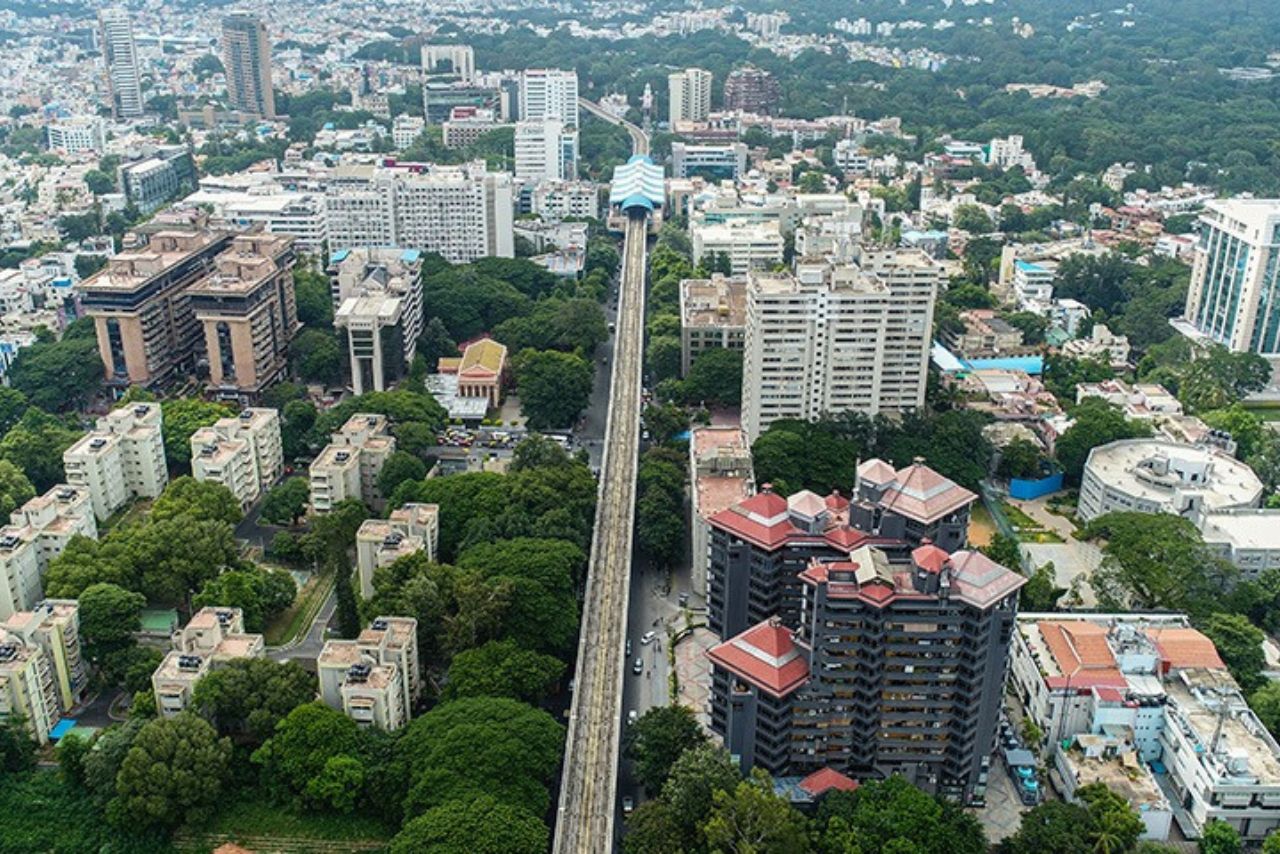
Bengaluru’s residential market is witnessing a sustained rise in purchases by overseas Indians, particularly professionals based in North America, signalling a shift from speculative buying towards long-term urban anchoring. The trend is reshaping demand patterns across northern, eastern and south-eastern corridors of the city, with implications for infrastructure planning, rental housing supply and the pace of suburban expansion.
Market observers say the city’s technology-led economy, combined with currency arbitrage and familiarity with Bengaluru’s work culture, continues to attract global professionals looking to retain a foothold in India. For many, housing decisions are tied to eventual relocation, retirement planning or securing stable rental income in a city with persistent demand from skilled workers. This has positioned Bengaluru NRI homebuyers as a structurally important segment rather than a cyclical one. Northern Bengaluru has emerged as a focal point, driven by improved airport access, expanding commercial clusters and planned regional connectivity projects. Apartments in this belt are drawing interest from buyers seeking predictable rentals and long-term relevance, especially near large corporate campuses. Industry analysts note that while capital values have firmed, rental yields remain relatively balanced, reflecting sustained absorption rather than short-term overheating. Emerging neighbourhoods in the north are also benefiting from phased infrastructure delivery, including rail-based transit and orbital road networks. Urban planners caution, however, that the pace of residential development must be aligned with water security, public transport capacity and social infrastructure to avoid stress on peri-urban ecosystems. The concentration of global buyers adds urgency to the need for climate-resilient planning in these growth zones.
Eastern and south-eastern Bengaluru continue to attract investment due to proximity to established employment hubs. Micro-markets along key technology corridors are seeing steady demand for mid-sized homes, supported by strong leasing activity. While price headroom remains in select pockets, mature localities have already recorded sharp value appreciation, narrowing affordability for local end-users. Analysts point out that rental demand has stayed resilient, underlining the city’s role as a magnet for mobile talent. From an urban economics perspective, the growing presence of overseas buyers highlights both opportunity and risk. Stable inflows support housing supply and formal rental markets, but unchecked price escalation can deepen inequities and push essential workers farther from employment centres. Policy specialists argue that Bengaluru’s next phase of growth must prioritise mixed-income housing, efficient mass transit and lower-carbon construction practices.
As global professionals continue to view Bengaluru homes as future-use assets, the challenge for the city will be to channel this capital into inclusive, well-serviced neighbourhoods. The trajectory of Bengaluru NRI homebuyers will therefore test how effectively India’s tech capital can balance global investment with local liveability.
Also Read: Pune MHADA Homes Attract Massive Applicant Rush
Bengaluru real estate draws returning Indians
