


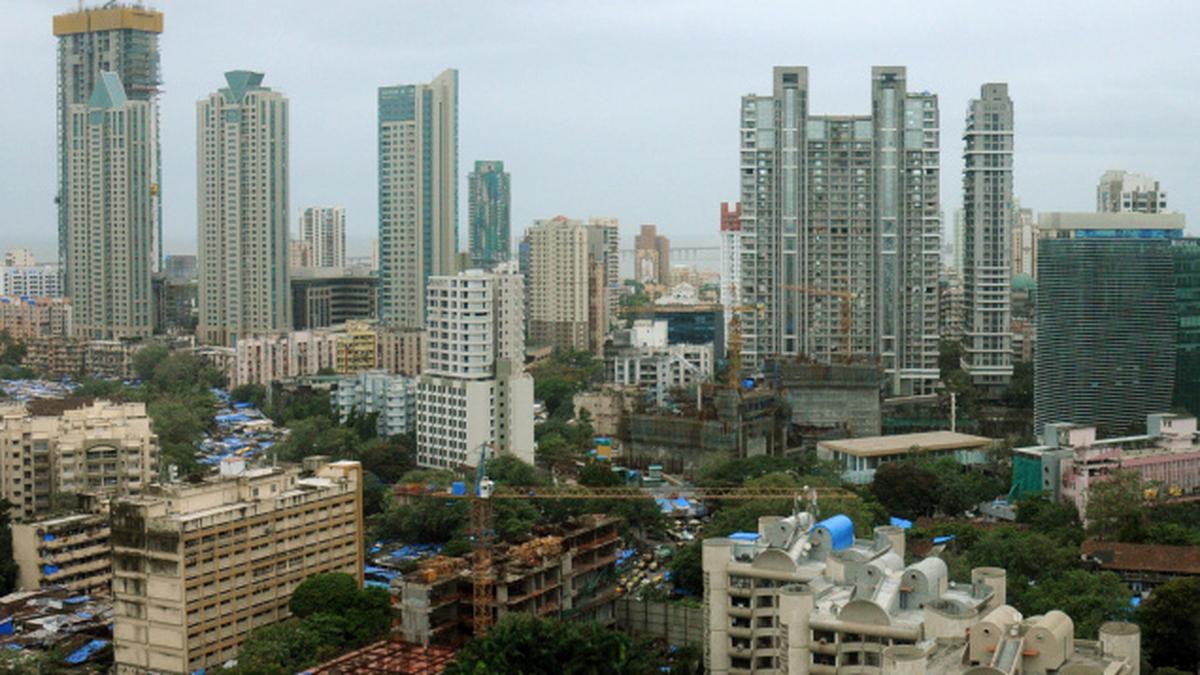
Mumbai’s ultra-luxury housing market has registered another high-value transaction, reinforcing the city’s position as one of India’s most resilient destinations for premium residential assets. A large sea-facing apartment in Worli has been transferred for over Rs 123 crore, signalling sustained appetite for scarce, high-quality homes in centrally located neighbourhoods despite broader concerns around affordability in the wider housing market.
Property registration records indicate that the transaction was completed recently for a residence located on an upper floor of a landmark luxury tower in Worli. The apartment offers a carpet area of nearly 6,800 sq ft, complemented by a sizable private balcony and multiple dedicated parking bays features that are increasingly considered essential by buyers operating in this price bracket. Stamp duty paid on the deal exceeded Rs 6 crore, contributing significantly to the city’s revenue collections from high-end real estate. The buyer is understood to be an investor with interests across early-stage businesses and capital markets, while the seller belongs to a family associated with one of Mumbai’s long-established real estate groups. Neither party has publicly commented on the transaction, a common practice in the ultra-high-net-worth segment where discretion often accompanies large asset purchases. Market analysts view the Worli luxury apartment sale as part of a broader pattern rather than an isolated outlier. Over the past few years, Worli has consistently featured among Mumbai’s most active micro-markets for large-ticket residential deals. Its appeal lies in a rare combination of factors: proximity to southern and western business districts, direct access to coastal road infrastructure, uninterrupted sea views, and a limited pipeline of new large-format apartments.
Unlike peripheral luxury developments, central neighbourhoods such as Worli face severe land constraints, making redevelopment the primary source of new supply. This structural scarcity continues to support pricing, even as transaction volumes fluctuate. Urban economists note that such high-value sales often reflect wealth preservation strategies rather than speculative buying, with purchasers viewing prime residential assets as long-term stores of value. From an urban development perspective, the concentration of wealth in select micro-markets raises important questions around inclusivity and land use efficiency. However, planners also point out that vertical luxury housing can reduce horizontal sprawl, allowing cities to accommodate population and capital density within existing infrastructure footprints. High-end towers are increasingly being designed with improved energy efficiency, water management systems, and resilience standards, aligning with evolving expectations around sustainable urban living. Worli’s continued traction also mirrors changing lifestyle preferences among affluent households. Access to healthcare, cultural institutions, and international-standard amenities within short travel times has become a key differentiator, especially in cities where congestion imposes daily costs on productivity and quality of life.
While such transactions sit far above the reach of most Mumbai residents, they remain influential in shaping market sentiment and municipal finances. As infrastructure projects improve connectivity across the city, observers will watch whether demand at the very top continues to deepen or gradually disperses into emerging premium corridors. For now, Worli’s position in Mumbai’s luxury housing hierarchy appears firmly intact.
Also Read: Mumbai real estate firm scales revenues rapidly
Mumbai Worli underlines elite housing demand
