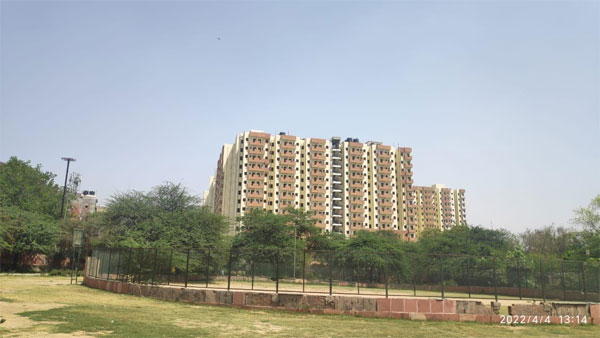
The Delhi government has initiated a large-scale refurbishment programme targeting nearly 18,000 housing units across jhuggi-jhopri settlements, signalling a shift from episodic repairs to structured renewal of informal housing stock. The plan, to be executed in partnership with a central public-sector construction agency, aims to address long-standing deficiencies in basic infrastructure while stabilising ageing rehabilitation housing across the capital.
Officials associated with Delhi’s urban shelter administration say the programme will focus on government-constructed flats within JJ clusters that have deteriorated due to poor maintenance, structural fatigue and inadequate civic services. These units, many built under earlier resettlement and rehabilitation schemes, house thousands of low-income families and form a critical component of the city’s affordable housing ecosystem. Unlike relocation-driven approaches of the past, the current strategy prioritises in-situ improvement. Planned works include structural repairs, upgraded drainage networks, paved internal streets and improved sanitation facilities. Urban planners note that such interventions are essential for climate resilience, particularly in dense settlements that face recurrent waterlogging, heat stress and public health risks during extreme weather events.
Several JJ clusters in north, east and west Delhi have struggled with crumbling buildings, narrow access lanes and failing sewerage systems, often limiting emergency response and municipal service delivery. Infrastructure specialists say that incremental neglect has compounded risks, making refurbishment both a social necessity and a fiscal imperative, as delayed repairs tend to escalate long-term costs. The construction agency is currently preparing detailed project reports, after which phased execution is expected to begin following statutory approvals. Officials familiar with the process say the emphasis will be on standardised repair templates to ensure speed, cost control and consistent quality across multiple sites. Separate sanitation facilities for women and improved stormwater management are expected to be key components.
The refurbishment programme sits alongside a broader funding push for civic improvements in informal settlements, including investments in community toilets, public convenience complexes and neighbourhood-level infrastructure. Policy analysts observe that such capital allocation reflects a growing recognition that informal settlements are permanent urban neighbourhoods rather than transitional spaces. From an urban economy perspective, improved housing conditions in JJ clusters have measurable spillover effects. Better infrastructure supports workforce productivity, stabilises local livelihoods and reduces health-related disruptions. Real estate observers also note that upgrading informal settlements, when done without displacement, helps integrate them more effectively into surrounding urban fabric.
However, experts caution that long-term success will depend on post-repair maintenance frameworks. Without clear accountability for upkeep, refurbished assets risk rapid deterioration. Urban governance specialists argue that resident participation, decentralised maintenance budgets and transparent monitoring will be critical next steps. As Delhi grapples with housing equity and climate adaptation, the JJ cluster refurbishment plan represents a pragmatic test of whether cities can improve living conditions at scale without displacement while strengthening resilience where it is needed most.
Delhi Moves to Renew Ageing JJ Cluster Flats