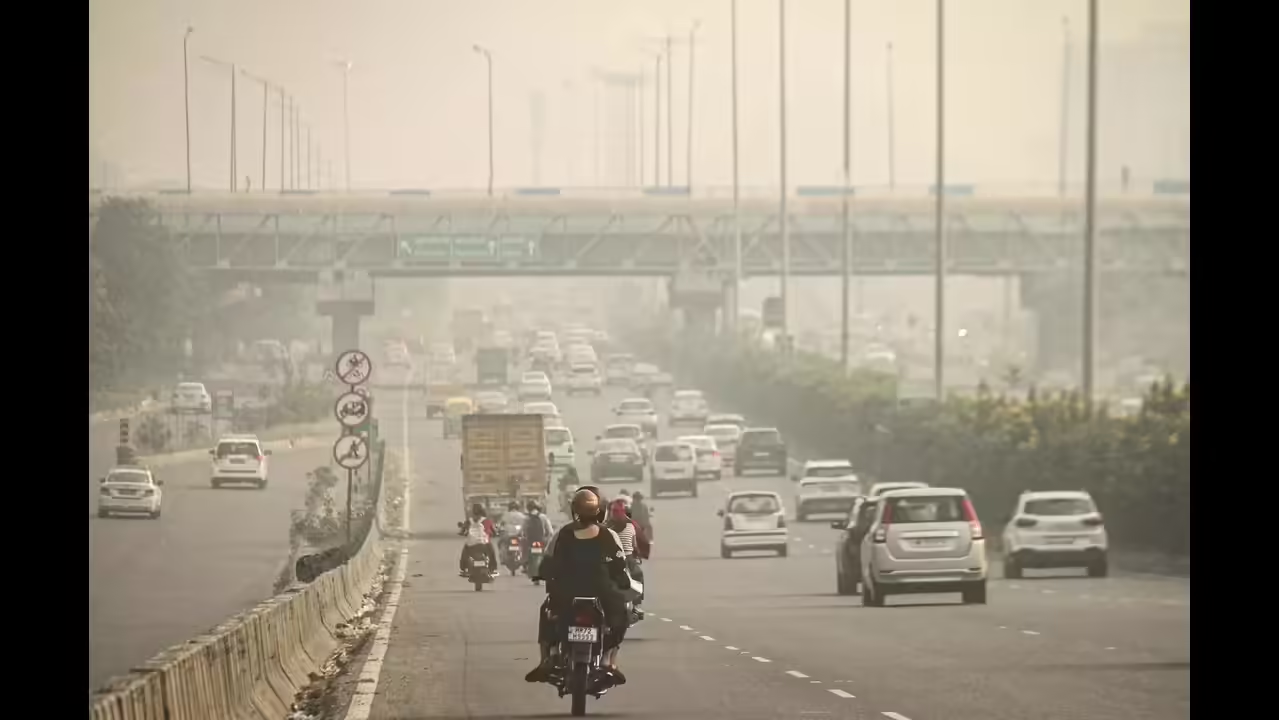
Unseasonal cold and scattered rainfall across key Indian cities disrupted travel networks on Sunday, underscoring how weather volatility is increasingly shaping urban mobility and economic routines. Severe cold conditions in the National Capital Region and intermittent rain along the western and eastern coasts triggered delays across air, rail and road systems in Delhi, Mumbai and Chennai, placing pressure on already stretched transport infrastructure.
In Delhi and its satellite towns, dense fog and biting temperatures reduced visibility at the capital’s main airport during early morning hours, prompting airlines to consolidate or adjust flight schedules. Aviation officials cited cascading winter delays and tight crew-duty regulations, factors that have become recurring challenges during prolonged cold spells. Rail operators also slowed services across northern corridors as a safety precaution, adding to commuter uncertainty at the start of the work week. Mumbai and Chennai, meanwhile, saw lighter but disruptive rainfall affecting peak-hour travel. Wet roads and reduced speeds lengthened commute times in India’s financial capital, while logistics managers tracking shipments into Chennai’s industrial and automotive zones flagged potential knock-on effects if showers persist. While no major supply disruptions were reported, businesses with time-sensitive deliveries remained cautious.
Urban transport planners say such episodes highlight a broader structural issue: Indian cities are facing climate variability that tests the resilience of mobility systems designed for more predictable weather patterns. Ride-hailing platforms reported a sharp rise in demand across all three metros, triggering temporary pricing controls enforced by state authorities to prevent excessive surge fares during adverse conditions. Beyond mobility, traveller welfare has emerged as a parallel concern. Health advisories were circulated in parts of NCR warning of cold stress risks for outdoor workers and informal sector employees, many of whom lack access to heated indoor environments. Corporate travel teams also flagged heightened illness risks during peak flu season, particularly for short-duration business trips where travellers may under-prepare for extreme conditions.
Industry observers note that recent improvements in city-level weather forecasting have enabled faster, more targeted responses. Granular alerts allow transport operators and large employers to activate automated rebooking protocols, stagger reporting times, and issue location-specific advisories, reducing disruption and manual intervention. For urban economies, the episode serves as a reminder that climate resilience is no longer limited to infrastructure alone. It increasingly encompasses how cities manage information flow, protect vulnerable workers, and maintain continuity across interconnected transport and supply networks.
As extreme weather events become more frequent and less predictable, planners and policymakers face growing pressure to align mobility systems, public health preparedness, and workplace practices with a changing climate reality. The challenge ahead lies not just in responding to disruptions, but in designing cities that can absorb them with minimal social and economic cost.
Delhi Weather Disruptions Test Urban Travel Resilience