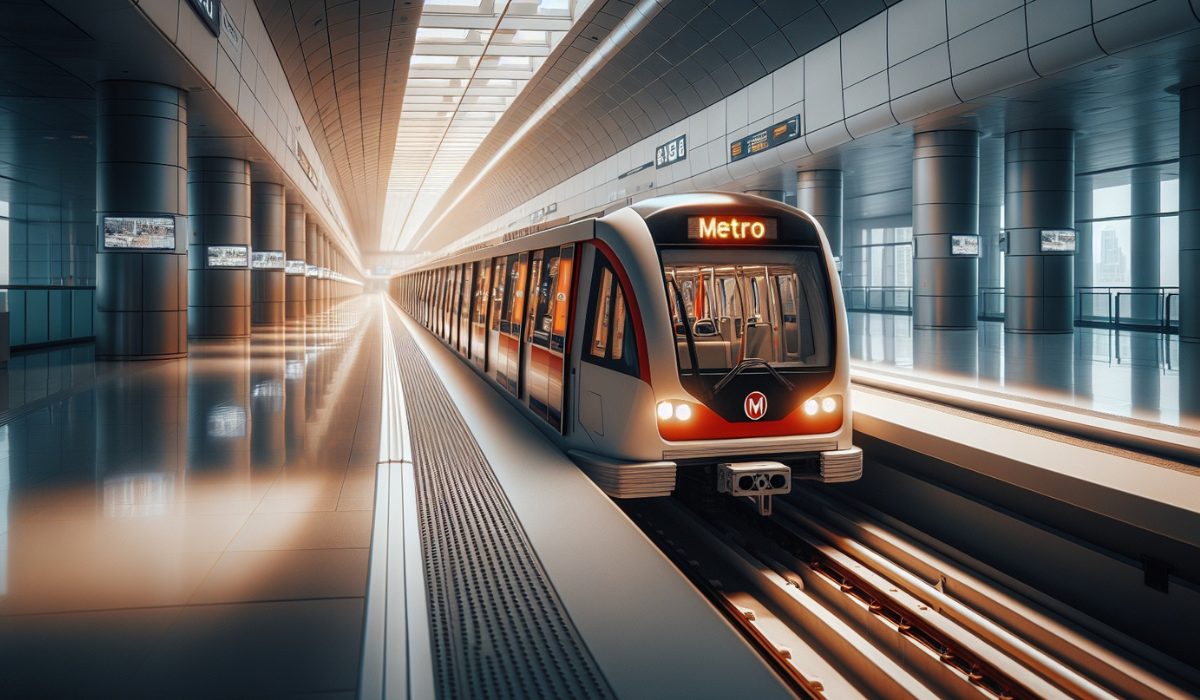
The long-planned Thane Ring Metro has taken a decisive step forward, with the project’s implementing agency inviting construction bids for eight stations along the proposed circular corridor. The move signals a transition from planning to execution for one of Thane’s most ambitious urban transport projects, aimed at easing congestion, improving intra-city mobility and supporting the city’s rapidly expanding residential and commercial zones.
The 29-kilometre metro corridor is designed as a loop network with 22 stations, intended to function as an internal mobility spine for Thane while integrating with the wider Mumbai Metropolitan Region rail system. Urban transport officials involved in the project indicated that the initial set of stations has been prioritised to unlock connectivity in densely populated and fast-growing neighbourhoods, where road capacity has struggled to keep pace with development. Of the eight stations included in the current tender, six are planned as elevated structures while two are proposed underground near key interchange and high-density zones. Project estimates suggest a combined construction outlay of over ₹450 crore for this phase, reflecting the higher engineering complexity associated with underground stations in built-up urban areas. Infrastructure experts note that phased tendering allows public agencies to better manage financial exposure while responding to evolving cost conditions.
The revised project cost for the full corridor now stands at over ₹12,000 crore, a notable increase from earlier projections made several years ago. Officials familiar with the planning process attribute the escalation to changes in design standards, land acquisition costs, inflation in construction materials, and updated safety and sustainability requirements. Such revisions, while common in large urban rail projects, underline the importance of long-term funding clarity and execution discipline. From a mobility perspective, the Ring Metro is expected to function as a feeder system to existing and upcoming metro corridors linking Thane to Mumbai and neighbouring industrial hubs. Urban planners tracking travel patterns say this could significantly reduce dependency on private vehicles for short intra-city trips, particularly in areas where buses and road networks are already saturated during peak hours.
Ridership projections included in the project’s planning documents estimate that daily passenger numbers could cross 6.4 lakh within the first year of partial operations, rising steadily over the next two decades. If achieved, these figures would position the corridor as a key contributor to lower per-capita transport emissions, aligning with regional climate goals and transit-oriented development strategies. Construction timelines indicate that elevated stations could be delivered faster than underground ones, with groundwork expected to begin after the monsoon season. The corridor is now targeted for phased commissioning towards the end of the decade, reflecting a more conservative schedule than earlier timelines.
As Thane continues to urbanise at a rapid pace, the Ring Metro’s progress will be closely watched by residents, developers and policymakers alike. Its success will depend not only on timely execution, but also on how effectively it integrates land use, last-mile connectivity and affordable access into the city’s evolving urban fabric.
Thane Ring Metro Takes Step Forward With Station Tenders