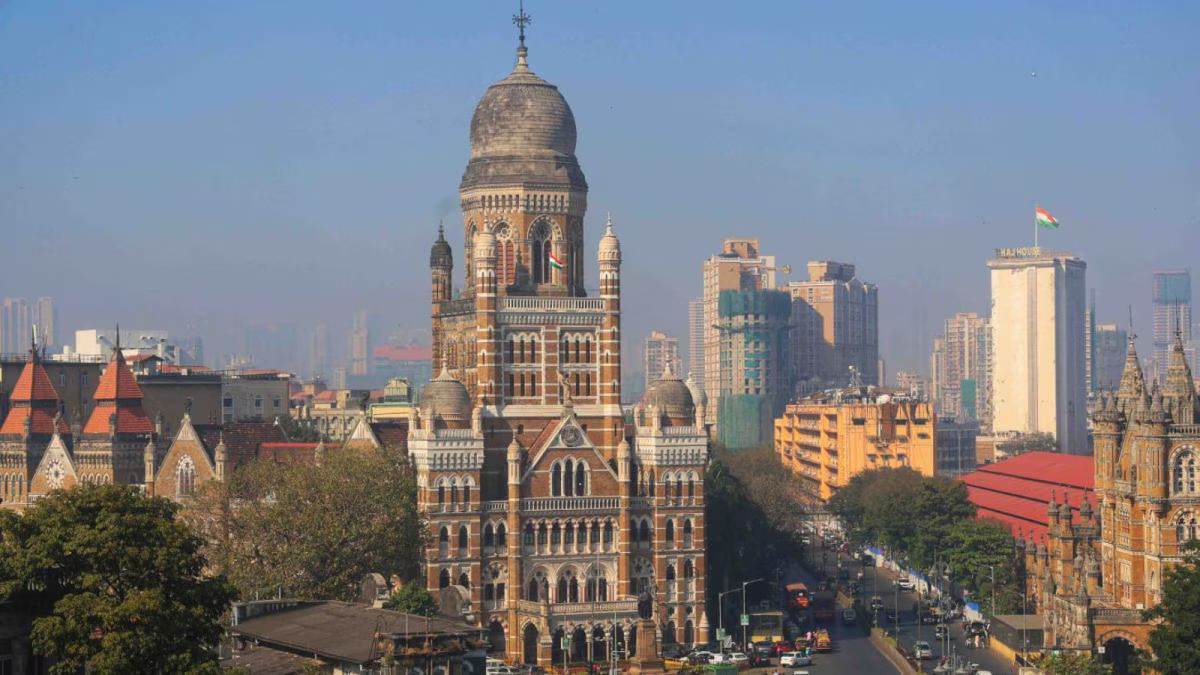
Mumbai’s civic administration has channelled a substantial share of its public finances into long-term assets this year, underscoring a decisive pivot towards transport and utility infrastructure at a time when the city is grappling with climate stress, ageing networks and rising mobility demand. As preparations begin for the 2026–27 civic budget, official records show that the Brihanmumbai Municipal Corporation (BMC) has already deployed more than ₹19,000 crore on capital works in the ongoing financial year, with roads, bridges and sewage systems absorbing the bulk of the outlay.
The scale of spending highlights how India’s wealthiest municipal body is prioritising hard infrastructure over routine expenditure. Of the total civic budget for 2025–26, well over half was earmarked for capital creation, signalling an intent to address structural bottlenecks rather than short-term fixes. Urban finance experts note that such allocations are increasingly critical for megacities like Mumbai, where economic productivity is closely tied to the reliability of transport links and basic services. Road development has emerged as a central pillar of this strategy. The civic roads and traffic department accounts for one of the highest expenditure shares, reflecting the ongoing shift towards concrete road surfaces designed to withstand monsoon damage and reduce maintenance cycles. Urban planners say this transition, while disruptive during execution, could lower lifecycle emissions and improve resilience if paired with better stormwater management and pedestrian-friendly design.
Bridge infrastructure has also seen sustained momentum. Several east–west and north–south connectors are nearing completion, easing pressure on saturated corridors and improving cross-city accessibility. For daily commuters, these links are expected to cut travel time and fuel consumption, delivering economic and environmental dividends over the long term. Transport analysts caution, however, that new capacity must be aligned with public transport integration to avoid inducing additional private vehicle use. Equally significant is the investment in sewage and wastewater treatment infrastructure. The city is advancing multiple treatment facilities aimed at upgrading capacity and reducing untreated discharge into creeks and coastal waters. Environmental specialists view this as a foundational step towards climate-resilient urban systems, particularly as extreme rainfall events become more frequent. Improved treatment efficiency also supports Mumbai’s broader goals around public health and coastal ecosystem protection.
Despite the ambitious spending, the fiscal picture is not without constraints. Outstanding civic liabilities have crossed historic levels, prompting internal discussions on alternative financing mechanisms, including asset monetisation and infrastructure trusts. Municipal finance observers argue that diversifying funding sources could help sustain BMC infrastructure spending without placing excessive strain on future budgets. As Mumbai looks ahead to another high-capex year, the challenge will lie in translating expenditure into measurable outcomes: safer streets, cleaner waterways and more reliable mobility. For residents and businesses alike, the success of this infrastructure push will ultimately be judged not by headline figures, but by whether it delivers a more inclusive, climate-ready city that works better for everyday life.
Mumbai BMC Infrastructure Spending Reshapes City Priorities