


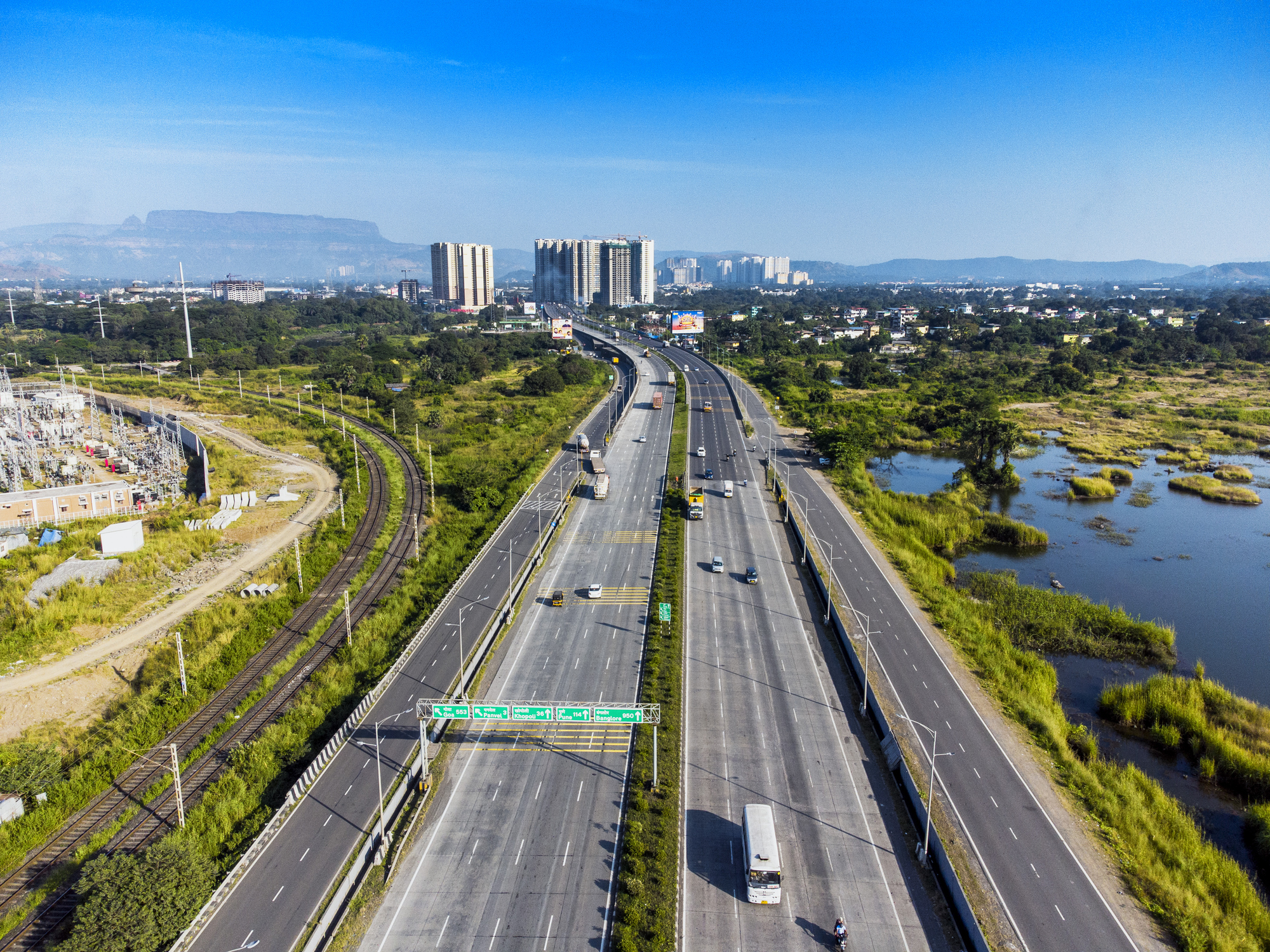
Lucknow has entered a new phase of regional connectivity with the commissioning of a high-capacity expressway linking the state capital to Kanpur, featuring an elevated corridor stretching nearly 10 km—among the longest continuous urban flyovers in the state. The project marks a significant shift in how fast-growing north Indian cities are addressing congestion, inter-city travel demand and logistics efficiency within dense urban environments.
Urban infrastructure officials describe the corridor as a strategic intervention rather than a conventional road expansion. By elevating traffic above built-up areas for a substantial stretch, the expressway aims to separate long-distance vehicular movement from local city traffic. This design choice is expected to reduce travel time between Lucknow and Kanpur, while easing pressure on arterial roads that currently serve mixed commuter, freight and neighbourhood traffic.From an economic standpoint, the corridor strengthens integration between two major urban economies with complementary roles—Lucknow as an administrative and services hub, and Kanpur as an industrial and manufacturing centre. Improved road efficiency is expected to support labour mobility, warehousing, and time-sensitive supply chains, particularly for small and medium enterprises operating along the corridor. Real estate analysts note that such infrastructure often reshapes land values, with logistics parks, housing clusters and commercial developments gravitating towards controlled-access interchanges.
The elevated structure also reflects a broader trend in Indian cities where horizontal road widening is no longer viable due to land constraints and social displacement risks. Urban planners involved in similar projects point out that flyovers of this scale require careful structural design, drainage planning and noise mitigation, especially when they pass over inhabited zones. While elevated roads do not eliminate traffic demand, they can offer transitional relief when combined with access control and traffic management.Environmental considerations remain central to the project’s long-term impact. Transport experts emphasise that expressways must eventually integrate with public transport networks, electric mobility corridors and green buffers to avoid inducing excessive private vehicle use. Officials associated with the project indicate that provisions for future electric vehicle charging and service lanes have been incorporated, aligning with wider state and national mobility transitions.
For residents, the immediate impact is expected to be more predictable travel times and reduced congestion on inner-city routes. However, civic groups stress the importance of monitoring air quality, noise levels and pedestrian safety under elevated sections, where poorly planned spaces can otherwise deteriorate into neglected urban pockets.As traffic stabilises over the coming months, attention will shift to how effectively the expressway is managed, priced and integrated with city transport plans. The Lucknow–Kanpur corridor now stands as a test case for whether large-scale elevated road infrastructure can balance speed, equity and sustainability in rapidly expanding Indian urban regions.
Also Read:Mumbai Eastern Suburbs To Face 30-Hour Water Cut
Lucknow Kanpur Expressway Redefines Urban Connectivity
