


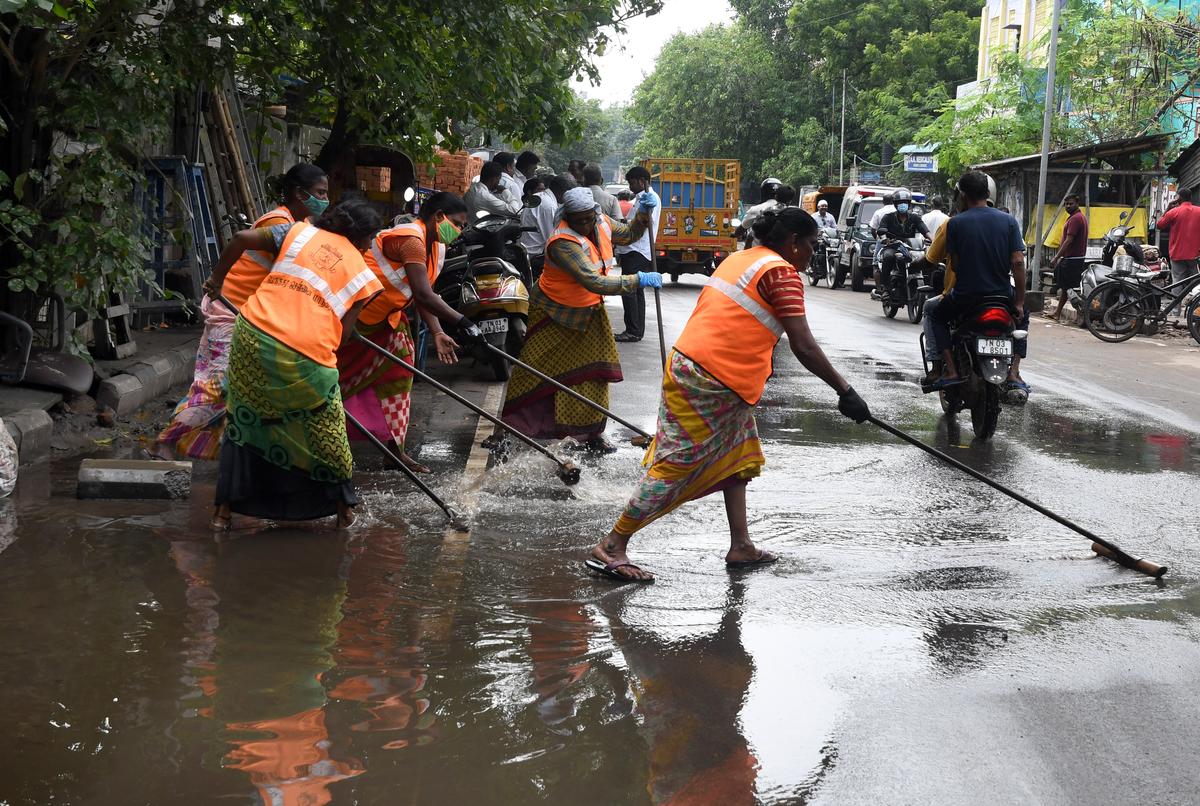
A long-standing sewage blockage in a residential pocket of south Chennai has exposed the everyday costs of delayed urban infrastructure maintenance, as repair works disrupt traffic and daily life in a densely used neighbourhood corridor. While permanent sewage upgrades are finally under way, residents say the prolonged neglect highlights deeper coordination challenges between utility agencies and civic authorities.
The affected stretch, located along a key service road near a road underbridge in Pazhavanthangal, has experienced recurring sewage overflow for nearly two years. Poor drainage upkeep led to wastewater stagnating on the carriageway, creating persistent odour, public health concerns and unsafe walking conditions. The issue gained urgency as the area functions as both a residential access route and a feeder road for local commerce.Recent efforts to construct a new underground sewage line have brought cautious relief, but also fresh disruption. Road sections have been excavated to lay the drain, leaving uneven surfaces and piles of debris along the roadside. This has slowed traffic movement, particularly affecting two-wheelers and pedestrians navigating narrow, partially obstructed lanes.
Urban mobility experts note that such disruptions disproportionately affect elderly residents, women, and informal workers who rely on predictable, walkable neighbourhood streets. Small traders operating food stalls and retail kiosks along the corridor report reduced footfall, with dust and congestion discouraging customers during peak hours.Civic officials familiar with the project say the problem originated from damage to existing sewage lines, which were no longer able to carry peak flows during rainfall or high usage periods. Repairs to reconnect and stabilise these lines have now been completed, with responsibility for restoring the road surface expected to shift to the city’s road-maintenance agency.
Urban planners argue that the episode reflects a broader governance issue common in fast-growing Indian cities: underground infrastructure is often repaired reactively, rather than through scheduled condition audits and lifecycle planning. When sewage and stormwater systems fail beneath busy streets, the resulting surface-level disruption can cascade into traffic delays, business losses and health risks.From a sustainability standpoint, experts stress that well-maintained sewerage networks are essential to climate resilience. Blocked or damaged drains increase flood vulnerability during extreme rainfall events, contaminate groundwater, and undermine public trust in civic systems. Preventive maintenance, coordinated work scheduling, and quicker surface restoration are seen as critical to reducing these impacts.
Residents say their immediate concern is timely completion. Delays, they warn, could prolong hardship and force repeated road closures. Urban infrastructure specialists echo this concern, noting that prolonged construction without proper traffic management erodes confidence in public works and raises overall project costs.As Chennai continues to upgrade ageing neighbourhood infrastructure, the challenge will be to align sewage, road, and mobility planning so that essential repairs improve quality of life without imposing unnecessary burdens on communities already adapting to rapid urban change.
Also Read:Chennai Water Strategy Shifts As Reservoirs Refill
Chennai Neighbourhood Faces Disruption During Drain Renewal
