


Chennai’s urban water management strategy has entered a cost-conscious phase as abundant reservoir storage allows the city to temporarily scale back desalination output. With surface water sources nearing capacity after a favourable monsoon season, the city’s water utility has reduced production at one of its major seawater desalination facilities, signalling a shift in how India’s coastal metros balance resilience with operational efficiency.
Officials overseeing the city’s drinking water network confirm that output at the 150 million litres per day desalination plant along the eastern coast has been curtailed to a fraction of its installed capacity. The decision follows routine maintenance and reflects the current availability of significantly cheaper freshwater from reservoirs feeding the metropolitan supply system.Desalinated water is among the most expensive sources in an urban water portfolio, with high energy and operating costs. In contrast, treated reservoir water costs a small fraction per kilolitre, making it the preferred option when storage levels are healthy. Urban infrastructure specialists note that desalination plants are designed as strategic buffers—critical during drought years but intentionally flexible during periods of water surplus.
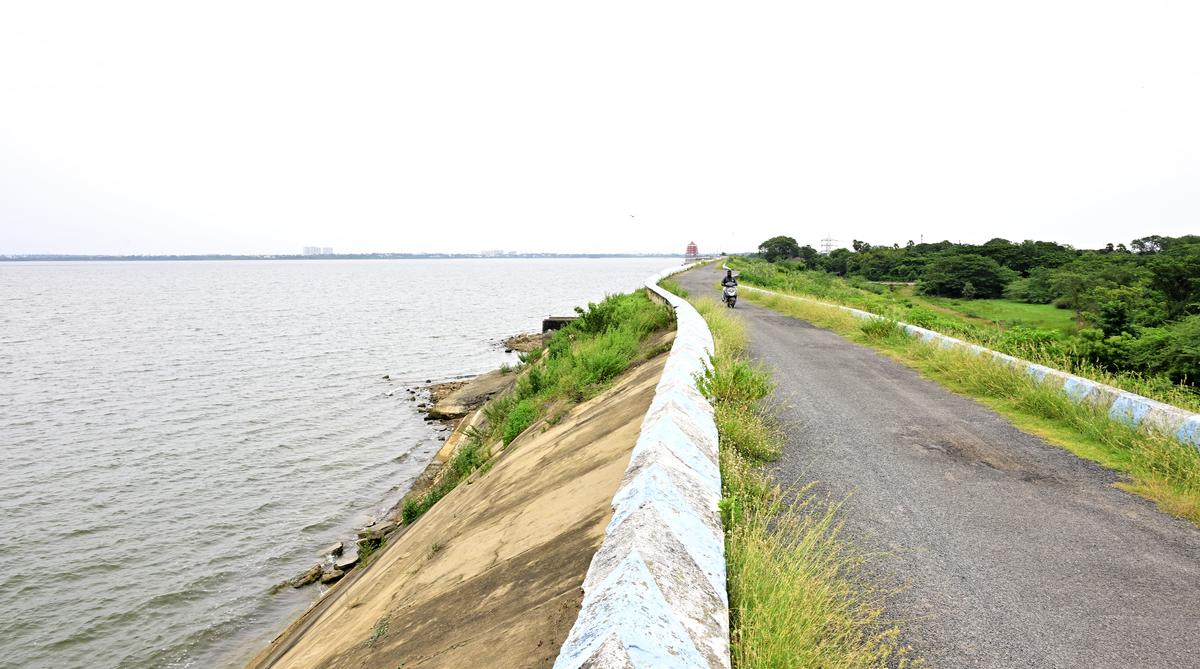
At present, Chennai’s primary reservoirs are holding close to 90 per cent of their combined capacity, a marked contrast to earlier years of extreme scarcity. Surface water drawn from major treatment plants has increased substantially compared to the same period last year, enabling the city to meet demand while limiting reliance on energy-intensive desalination.Despite the temporary reduction, desalination continues to play a stabilising role in the overall Chennai water supply mix. A second desalination facility nearby remains operational at moderated levels, while an older plant in the northern suburbs is undergoing extended repairs and is expected to return to service later this year. Together, these assets form a diversified supply system intended to withstand climate variability.
Urban planners say Chennai’s approach reflects a broader lesson for climate-vulnerable cities: resilience infrastructure must be adaptable, not permanently maximised. Running desalination plants at full capacity during surplus periods can strain public finances and increase carbon footprints without improving water security. Strategic throttling allows utilities to manage costs while preserving assets for periods of stress.The current storage levels also underline the importance of long-term investments in reservoir integration and distribution infrastructure. The addition of newer storage facilities into the city’s supply network has improved Chennai’s ability to absorb rainfall variability, reducing its dependence on emergency measures such as water tankers and over-extraction of groundwater.
Looking ahead, water experts caution that short-term abundance should not lead to complacency. Climate models continue to project higher rainfall volatility for southern India. Chennai’s challenge will be to maintain operational discipline, invest in energy-efficient desalination technology, and strengthen demand management so that the city remains prepared when dry cycles inevitably return.
Also Read:India Data Centre Expansion Eyes AI Scale
Chennai Water Strategy Shifts As Reservoirs Refill
