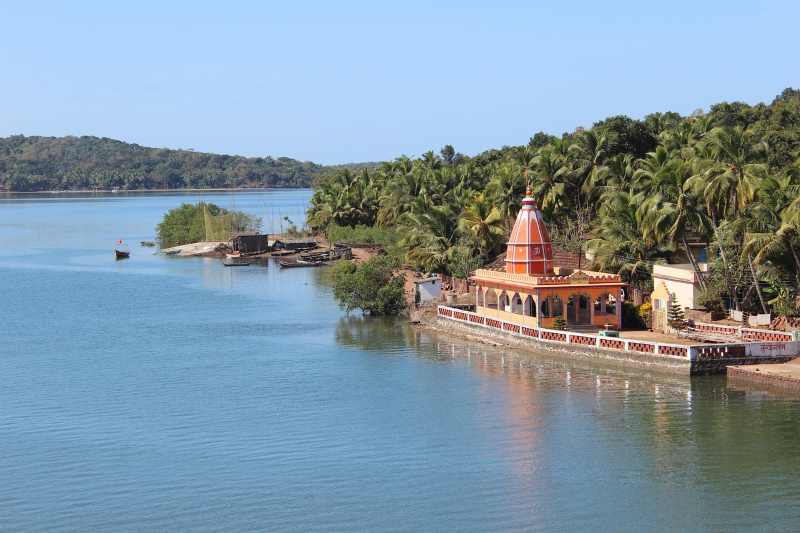
The Maharashtra government has unveiled a ₹250 crore initiative to develop 50 key tourism destinations across the state, signalling a strategic effort to strengthen the tourism economy, enhance visitor experience and tap into rising post-pandemic travel demand. By investing in both iconic and lesser-known sites, officials say the programme seeks to diversify regional appeal, support local communities and align with broader sustainability goals for inclusive growth.
State tourism authorities describe the plan as a “comprehensive overhaul” that goes beyond cosmetic upgrades, targeting infrastructure, accessibility, amenities and sustainable practices. The destinations — spanning heritage sites, natural landscapes and coastal hubs — are intended to collectively form a network of attractions capable of drawing greater domestic and international footfall while fostering economic activity in smaller towns and rural belts.Infrastructure improvements are at the heart of the deployment, with funds earmarked for better roads, enhanced transport connectivity, upgraded public facilities and improved hospitality offerings. This reflects a policy shift toward tourism-led regional development, where investment is seen as a catalyst for employment in hospitality, guiding services and local micro-enterprises. Experts point out that tourism development can generate a wide array of jobs, from hotel operations and tour management to artisanal crafts and food services, creating resilient local value chains.
Crucially, the strategy dovetails with Maharashtra’s broader tourism objectives as outlined in the Tourism Policy 2024, which aims to position the state as a global tourism competitor while generating substantial economic returns. That policy framework includes incentives for capital investment, job creation targets and an ambition to significantly increase traveler numbers over the next decade.Officials emphasise sustainability as a core principle, with many plans incorporating eco-tourism elements such as low-impact infrastructure, nature-centric visitor circuits and community-led heritage conservation. By highlighting local culture, biodiversity and rural landscapes, the government hopes to meet travellers’ evolving preferences for responsible and immersive experiences. This approach is increasingly recognised globally as a means to balance economic benefits with environmental stewardship.
The selection of 50 diverse sites reflects an intention to spread tourism gains widely, rather than concentrating them in established urban centres. Alongside top draws like Ajanta and Ellora Caves or coastal beaches, lesser-visited forts, hill stations and hinterland attractions are set to receive strategic upgrades. Such a spread is expected to reduce pressure on over-touristed zones while prompting inclusive economic uplift across different regions.Observers say the tangible economic impact will depend on coordinated execution, particularly in areas such as last-mile connectivity, community participation and service quality standards. While the infusion of capital creates potential, complementary policies around skills training and SME support will be needed to ensure that expanded visitor flows translate into broad-based prosperity and sustainable growth.
As Maharashtra moves forward with this tourism development drive, authorities are now focused on translating plans into implementation — tying timelines and performance indicators to ensure that investment yields measurable benefits for cities, citizens and businesses alike.