


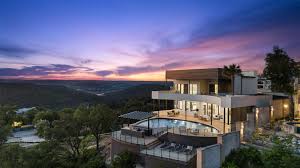
Austin’s high-value residential segment is witnessing renewed buyer activity at the start of 2026, signalling a recovery in luxury housing demand after a period of market cooling. Property consultants and market trackers report a noticeable increase in enquiries and transactions involving ultra-premium homes across the Texas city’s hill country and established upscale neighbourhoods, reflecting shifting wealth migration trends and evolving lifestyle preferences.
The resurgence in the Austin luxury housing market highlights broader changes in how high-net-worth households are choosing residential locations. Industry analysts note that Austin continues to attract entrepreneurs, technology sector leaders and investment professionals seeking lower-density living environments alongside strong economic growth. The city’s reputation as a technology and innovation hub has also strengthened its appeal as a long-term residential investment destination. Real estate specialists tracking the Austin luxury housing market indicate that interest from domestic migrants remains a key driver. Buyers relocating from high-cost metropolitan regions are seeking larger homes, privacy and access to nature-linked amenities, including hillside residences and waterfront properties. This migration pattern accelerated during the pandemic and appears to have stabilised into a structural demand shift rather than a temporary market phenomenon. Urban economists suggest that the renewed traction in high-end housing could also influence city planning and infrastructure priorities. Premium residential developments often trigger secondary investment in road connectivity, utility upgrades and public realm improvements.
However, planners caution that sustained growth in luxury housing must be balanced with affordability strategies to prevent widening housing disparities. Environmental planners are also observing how the expansion of luxury neighbourhoods intersects with climate resilience planning. Hill country developments, while highly desirable, require sensitive land-use regulation to manage flood risks, wildfire vulnerability and ecosystem protection. Cities experiencing rapid luxury housing expansion are increasingly integrating stricter sustainability benchmarks, including green building standards and water conservation infrastructure. Market observers say another factor supporting the luxury housing revival is wealth accumulation linked to technology-driven sectors. Equity gains and business exits in the innovation economy have strengthened purchasing power among younger high-income professionals, creating a new category of first-time luxury buyers. These buyers are prioritising smart-home technologies, wellness-focused design and energy-efficient features, signalling evolving definitions of premium living. Despite strong early indicators, analysts remain cautious about long-term stability. Rising borrowing costs and global economic uncertainties could influence purchasing behaviour in the months ahead. Additionally, local authorities continue to face pressure to expand housing supply across price segments to maintain balanced urban growth.
As Austin’s residential landscape evolves, the performance of its luxury housing segment is being viewed as an economic barometer reflecting wealth flows, urban migration and infrastructure readiness. How the city aligns high-end development with sustainability and inclusive planning is likely to shape its growth trajectory over the coming decade.
Also Read: Puducherry Housing Scheme Targets Informal Homes
Austin Property Market Sees Luxury Revival
