


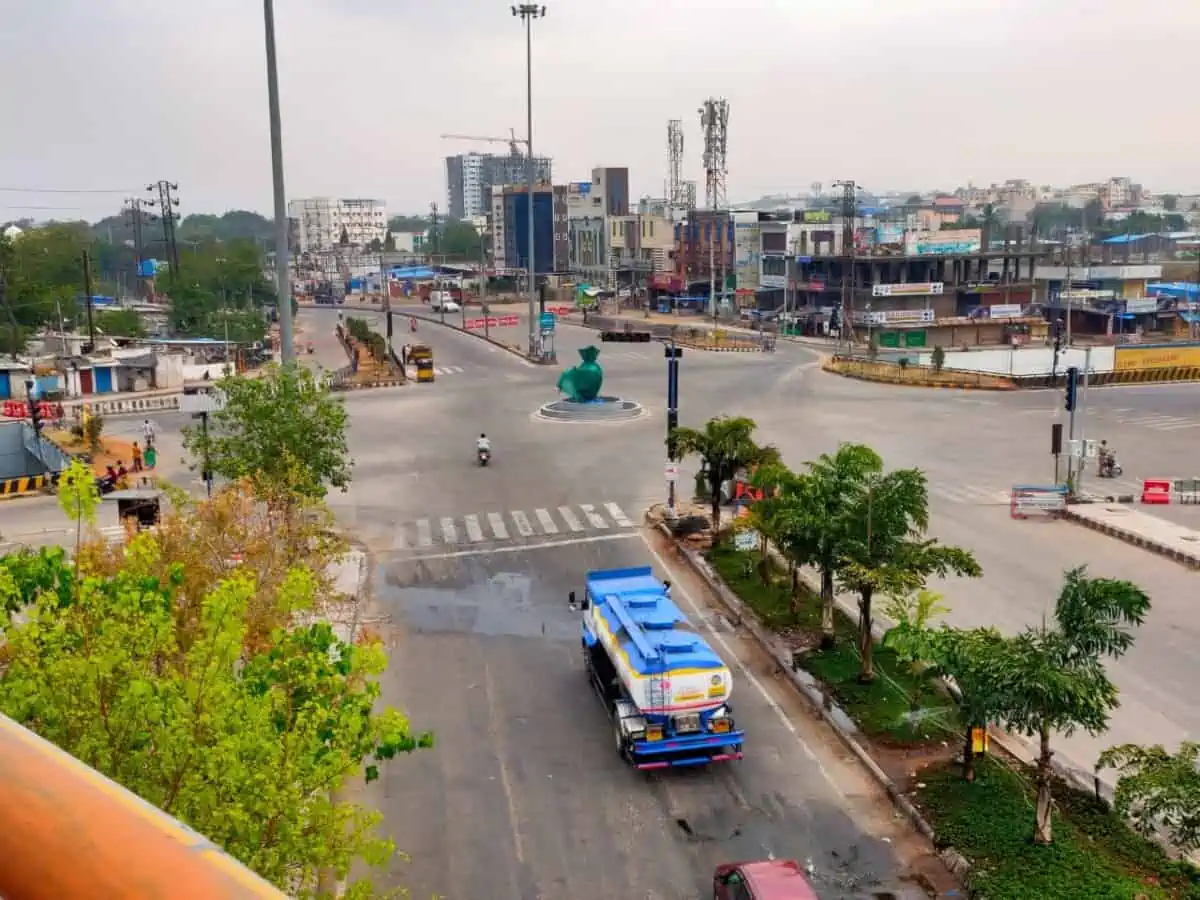
Infrastructure delivery in parts of western Hyderabad has come under scrutiny following reports that multiple approved civic projects remain stalled after the creation of a new municipal zone. In Shaikpet, residents say sanctioned neighbourhood road works have not moved beyond paperwork, raising concerns about how administrative restructuring within the city’s civic body is affecting on-ground execution and public trust.
The delays are centred on residential pockets that were recently brought under the newly formed Golconda Zone of the Greater Hyderabad Municipal Corporation. According to community representatives, at least one internal road project, cleared late last year and financially sanctioned, has not commenced despite all procedural approvals being in place. Contractors mobilised for the work have reportedly been unable to proceed, citing lack of clear operational instructions at the engineering level.Urban planners point out that such disruptions often follow administrative boundary changes, especially when roles, reporting lines and accountability frameworks are redefined. While zoning reforms are intended to improve decentralised governance, transition periods can slow delivery if institutional coordination is weak. In dense residential areas, delayed road works directly affect pedestrian safety, stormwater drainage and emergency access.
Residents contrast the current situation with the previous administrative setup, under which multiple local infrastructure works were executed within defined timelines. Those projects included internal roads, basic utilities and neighbourhood upgrades that collectively improved liveability and property values. The present impasse, they argue, risks reversing those gains.Civic officials familiar with the matter acknowledge that zone formation requires revalidation of work schedules, contractor coordination and budget mapping. However, they maintain that sanctioned projects are expected to move forward without fresh approvals. Industry experts warn that prolonged inaction can have financial consequences. If contractors withdraw due to uncertainty, projects may need to be re-tendered at higher rates, adding pressure on municipal finances and ultimately on taxpayers.
The issue has broader implications for Hyderabad’s urban governance model. As the city expands and administrative units multiply, consistent execution becomes as critical as planning. Infrastructure gaps at the neighbourhood level disproportionately affect women, elderly residents and children, particularly in areas lacking alternative access routes or reliable public transport.From a sustainability perspective, delayed road upgrades also affect stormwater management and urban resilience. Inadequate or damaged internal roads can worsen flooding during intense rainfall events, an increasing concern as climate variability intensifies across the region.
Urban policy analysts argue that clearer transition protocols are needed whenever civic zones are reorganised. This includes transparent handover of sanctioned works, public dashboards tracking project status and stronger accountability between zonal offices and engineering departments.As Hyderabad continues to restructure its civic administration to manage growth, residents and planners alike say the priority must remain uninterrupted delivery of essential infrastructure. Ensuring that governance changes do not stall approved works will be critical to maintaining confidence in the city’s ability to grow in a planned, inclusive and resilient manner.
Also Read:Telangana Cities Face LED Streetlight Maintenance Gaps
Hyderabad Zone Restructuring Slows Local Infrastructure
