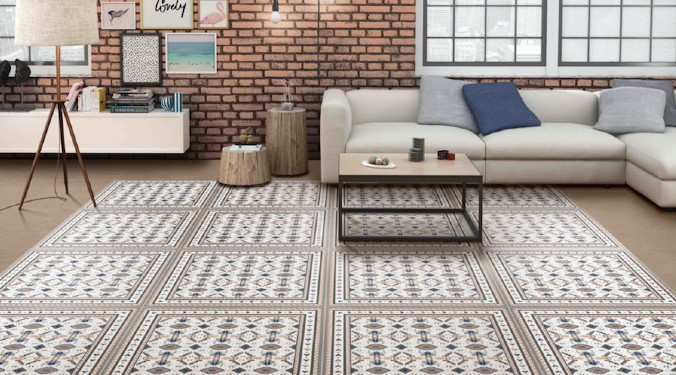
Interior surface design in India’s urban housing and commercial spaces is undergoing a quiet transformation, as geometry-led tile formats gain prominence in response to changing lifestyle, safety and maintenance needs. The introduction of a new cube-inspired tile range by Antica Ceramica reflects how surface materials are increasingly expected to balance visual coherence, durability and everyday usability within dense urban environments.
As cities grow more compact and multi-functional, walls and floors are no longer treated as passive backdrops. Architects and interior planners note a rising preference for large-format tiles that reduce visual clutter while improving spatial continuity — a key consideration in apartments, offices and shared-use buildings where space efficiency and cleanliness directly affect quality of life. Antica Ceramica’s latest collection aligns with this shift by focusing on structured geometric patterns designed to create depth without overwhelming interior spaces.Urban design professionals highlight that geometry-driven surfaces also serve practical purposes. Larger tile dimensions with fewer grout lines simplify maintenance and support hygiene, particularly in high-traffic areas such as kitchens, bathrooms, lobbies and corridors. In cities where residential units often double up as work or study spaces, easy-to-maintain surfaces are becoming an essential design requirement rather than a premium feature. This functional value places surface materials at the intersection of urban health, domestic productivity and long-term housing resilience.
From a safety perspective, the emphasis on slip-resistant and stain-resistant finishes responds to everyday risks within homes and public interiors. Planners point out that accidents related to flooring remain a significant concern in multi-generational households and commercial buildings alike. Surface materials engineered for grip and durability contribute to people-first design, particularly in environments with elderly residents, children or continuous footfall.The visual language of structured cubes and linear geometry reflects a broader move towards timeless design rather than short-lived decorative trends. Developers and interior consultants say buyers increasingly seek surfaces that can adapt to evolving furniture layouts, colour schemes and usage patterns over time. This adaptability supports sustainable real estate practices by extending renovation cycles and reducing material replacement frequency.
Beyond aesthetics and performance, the trend also carries environmental implications. Durable ceramic surfaces that withstand heavy use reduce the need for frequent refurbishments, limiting construction waste and resource consumption. In the context of climate-resilient urban development, material longevity is emerging as a critical metric alongside energy efficiency and thermal comfort.However, access to high-performance surface materials remains uneven. Affordable housing projects often prioritise upfront cost over lifecycle value, potentially missing long-term gains in maintenance savings and occupant wellbeing. Bridging this gap will require collaboration between manufacturers, developers and policymakers to align material standards with inclusive urban growth goals.
As Indian cities continue to densify and diversify, surface materials will play a defining role in shaping liveable interiors. The growing influence of brands such as Antica Ceramica in geometry-led tile design signals a broader recalibration of how urban interiors are built — prioritising clarity, resilience and human experience over purely decorative appeal.