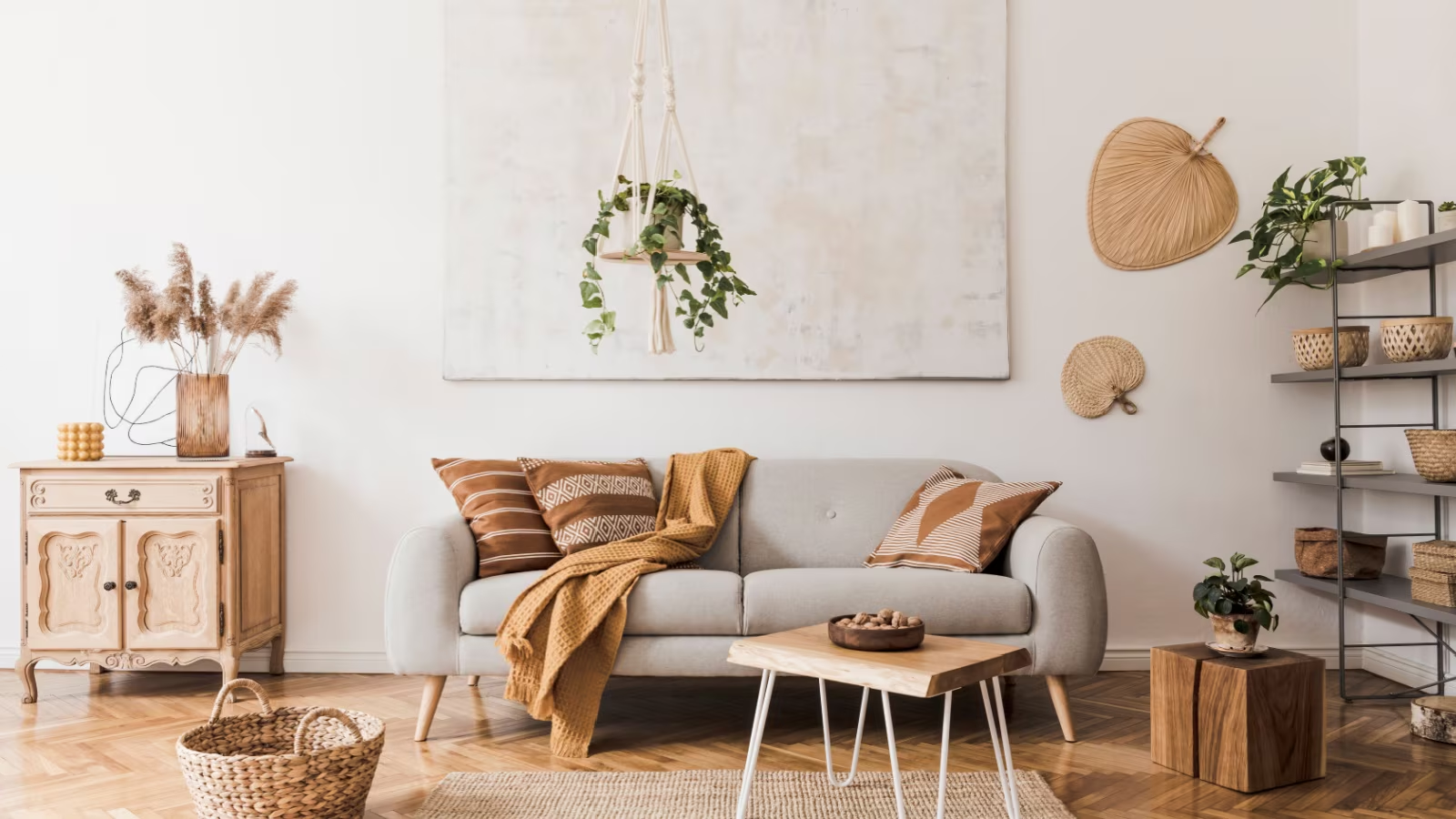
India’s residential design landscape is witnessing a notable shift as sculptural home accessories — particularly expressive vases that blend function with bold artistic form — gain traction among urban dwellers seeking personalised, sustainable and adaptable interiors. More than decorative objects, these pieces are becoming indicators of evolving taste, spatial flexibility and the growing influence of design thinking in middle-income and premium housing markets.
Design studios and interior planners note that homeowners in cities such as Mumbai, Delhi, Bengaluru and Pune are increasingly integrating sculptural elements into living rooms, entryways and multifunctional spaces. These objects, which often draw on artisanal techniques and contemporary aesthetic sensibilities, serve dual roles: as functional vessels and as focal points that elevate everyday environments. In an era where living space optimisation is key — particularly in compact urban homes — such accents contribute to well-being, visual storytelling and spatial identity.Architectural designers highlight that this trend is part of a broader move toward “experience-centric” interiors. Residents are no longer content with purely utilitarian furnishings; they want spaces that reflect personality, creativity and cultural connection. Sculptural vases — with their organic forms, tactile surfaces and layered materials — resonate with this demand because they offer visual depth without consuming significant square footage. This aligns with sustainable housing principles that prioritise mindful consumption and long-lasting design over ephemeral trends.
Many of the new decorative pieces draw inspiration from local craft traditions, reinterpreted through contemporary design lenses. This fusion supports urban design goals that valorise indigenous skills while fostering market opportunities for artisans. As cities expand and housing densifies, the integration of handcrafted elements into urban interiors also signals a people-first approach to space making, where emotional and aesthetic needs are considered alongside functional requirements.Economically, the rising interest in sculptural decor reflects increased discretionary spending on interior customisation, especially in residential projects where buyers are investing in high-quality finishes and personalised touches. Real estate developers and interior consultancies report that buyers are willing to allocate budget to curated objects that contribute to a cohesive design narrative — a trend particularly visible in new build sectors and premium resale markets.
Sustainability advocates point out that such decor trends dovetail with environmental priorities when materials and production methods are chosen responsibly. Ceramic, recycled glass, sustainably sourced wood and low-VOC finishes are increasingly preferred over mass-produced plastics and chemical-intensive products. This mirrors the broader push within urban housing toward eco-conscious materials and healthier indoor environments.Despite growing interest, access remains uneven: bespoke pieces often command price premiums that place them beyond the reach of lower-income households. Bridging this gap will require designers and manufacturers to explore scalable, affordable iterations of artisanal design — a development that could democratise access to meaningful interiors without sacrificing sustainable practices.
As urban homes continue to evolve beyond purely functional settings, the rise of sculptural decor underscores a deeper cultural shift: people increasingly view their living spaces as sites of expression, comfort and connection, essential to modern life in India’s rapidly densifying cities.