


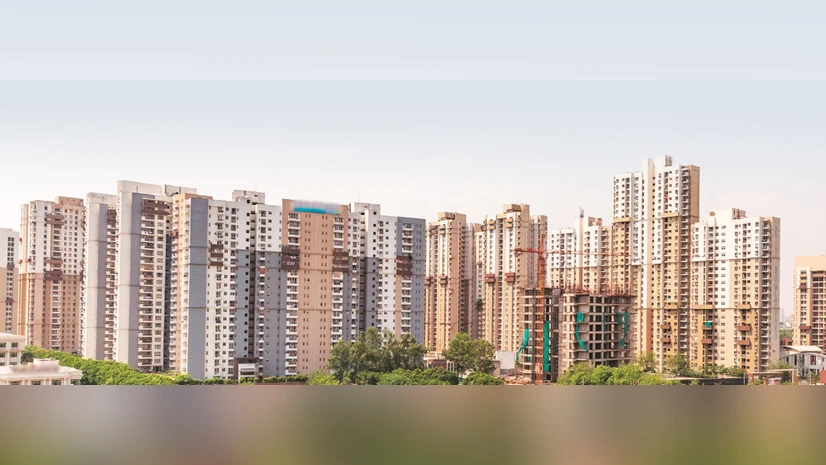
Mumbai’s redevelopment ecosystem is undergoing a quiet but significant transformation, marked by the growing influence of land aggregation specialists who focus on unlocking stalled, fragmented, and distressed urban parcels. Over the past two decades, this segment has emerged as a critical bridge between ageing housing stock, regulatory complexity, and the city’s pressing need for renewal-driven supply.
One such player has built scale by assembling land across some of Mumbai’s most negotiation-intensive micro-markets, including the western suburbs, central coastal districts, and high-density redevelopment zones. These areas are typically characterised by multiple ownership claims, litigation histories, and redevelopment fatigue among residents conditions that often deter conventional developers but create opportunities for specialists with patience, capital structuring skills, and on-ground negotiation capacity. Urban planners point out that redevelopment-led supply is no longer optional for Mumbai. With limited greenfield land and rising climate and infrastructure pressures, the city’s future housing pipeline depends heavily on renewing ageing buildings, defunct industrial plots, and long-delayed rehabilitation projects. Land aggregation has therefore become a strategic entry point, allowing firms to de-risk projects before inviting large, well-capitalised developers to participate in execution.
Industry sources note that recent expansion strategies have prioritised older town planning layouts and transit-accessible corridors, where redevelopment can simultaneously increase housing stock, improve building safety, and support compact, walkable neighbourhoods. In several western suburban precincts, residents have reportedly shown greater willingness to opt for redevelopment when offered transparent timelines, flexible transit accommodation, and compensation benchmarks aligned with current market realities. Slum rehabilitation has also emerged as a defining pillar of this consolidation-led approach. Long-stalled rehabilitation projects some delayed for over a decade are increasingly being revived through regulatory amnesty frameworks introduced by the state to accelerate delivery. By settling legacy dues and restructuring financial obligations, land aggregators have been able to restart construction while pairing rehabilitation obligations with adjacent market-led residential development. Urban housing experts view this model as critical to restoring credibility in Mumbai’s rehabilitation pipeline, which has historically suffered from execution gaps. Alongside rehabilitation, distressed-asset acquisitions have gained momentum, particularly where approvals are partially in place but funding constraints halted progress. These takeovers allow projects to move back into the execution phase without restarting regulatory processes, shortening delivery cycles in a city facing acute housing demand. Despite the expanding footprint, much of the redevelopment pipeline remains under construction or in pre-launch stages. Analysts caution that the next phase of growth will hinge on execution discipline, financial transparency, and the ability to integrate sustainability considerations such as energy efficiency, water management, and climate resilience into dense urban projects.
As Mumbai’s real estate market shifts from greenfield expansion to renewal-led growth, land aggregation firms are likely to play an increasingly central role. Their success, urban observers suggest, will be measured not only by scale or valuation potential, but by how effectively they translate complex redevelopment into livable, inclusive, and resilient urban neighbourhoods.
Also Read: Mumbai Real Estate Revenues Rise Despite Fewer Deals
Mumbai Redevelopment Market Sees New Land Aggregators
