


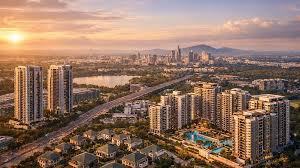
Bengaluru’s premium residential market closed 2025 with steady gains in prices, rents and new supply, signalling a phase of consolidation rather than speculation. Industry assessments tracking homes priced above Rs 2 crore show that demand remained resilient across key corridors, supported by infrastructure expansion, policy clarity and sustained white-collar employment in the city’s technology and services economy.
Capital values continued to rise across most premium micro-markets, even as developers adopted more disciplined launch strategies. Urban planners and market analysts attribute this stability to a combination of limited land availability in established neighbourhoods and improving connectivity in emerging growth zones. Metro rail extensions, upgrades along major arterial roads and airport-linked infrastructure have reshaped residential preferences, particularly in the city’s north and east. While price appreciation remained strongest in infrastructure-led corridors, central Bengaluru continued to command the highest absolute values due to scarcity of developable land and proximity to commercial hubs. Southern parts of the city recorded moderate but consistent growth, reflecting higher new supply balanced by end-user demand and gradual improvements in public transport access. Rental markets mirrored this strength. Premium housing rents increased sharply across the city, driven by low vacancy levels and sustained demand from senior professionals, expatriates and corporate tenants. Industry experts note that ready-to-move homes with high safety standards, efficient layouts and access to social infrastructure attracted the strongest rental premiums, underlining a shift towards quality and certainty over speculative buying.
A notable structural shift during the year was the narrowing gap between prices of under-construction and completed projects. This trend points to a maturing market where buyers increasingly prioritise delivery assurance, governance standards and long-term liveability. Developers, in turn, have responded with calibrated project launches, tighter pricing discipline and greater focus on integrated amenities, green spaces and wellness-oriented design. Policy developments also played a role in shaping confidence. Regulatory changes aimed at improving apartment governance and safety standards strengthened buyer trust, particularly in high-rise developments. At the same time, easing inflation and lower borrowing costs improved affordability, allowing both end-users and investors to commit capital with greater confidence. New premium housing supply expanded during 2025, led largely by southern and northern Bengaluru, where larger land parcels and infrastructure investments enabled scale. Urban development specialists caution, however, that sustained growth will depend on aligning housing expansion with climate-resilient infrastructure, public transport integration and equitable access to civic amenities.
Looking ahead to 2026, analysts expect infrastructure-led corridors to remain the primary drivers of capital appreciation, while rental markets are likely to stay firm due to limited ready inventory. As Bengaluru balances growth with sustainability and governance, the premium housing segment appears set to evolve into a more stable, people-focused and resilient urban asset class.
Also Read: Pune Region Sees Strong MHADA Housing Response
Bengaluru Premium Residential Market Shows Mature Growth
