


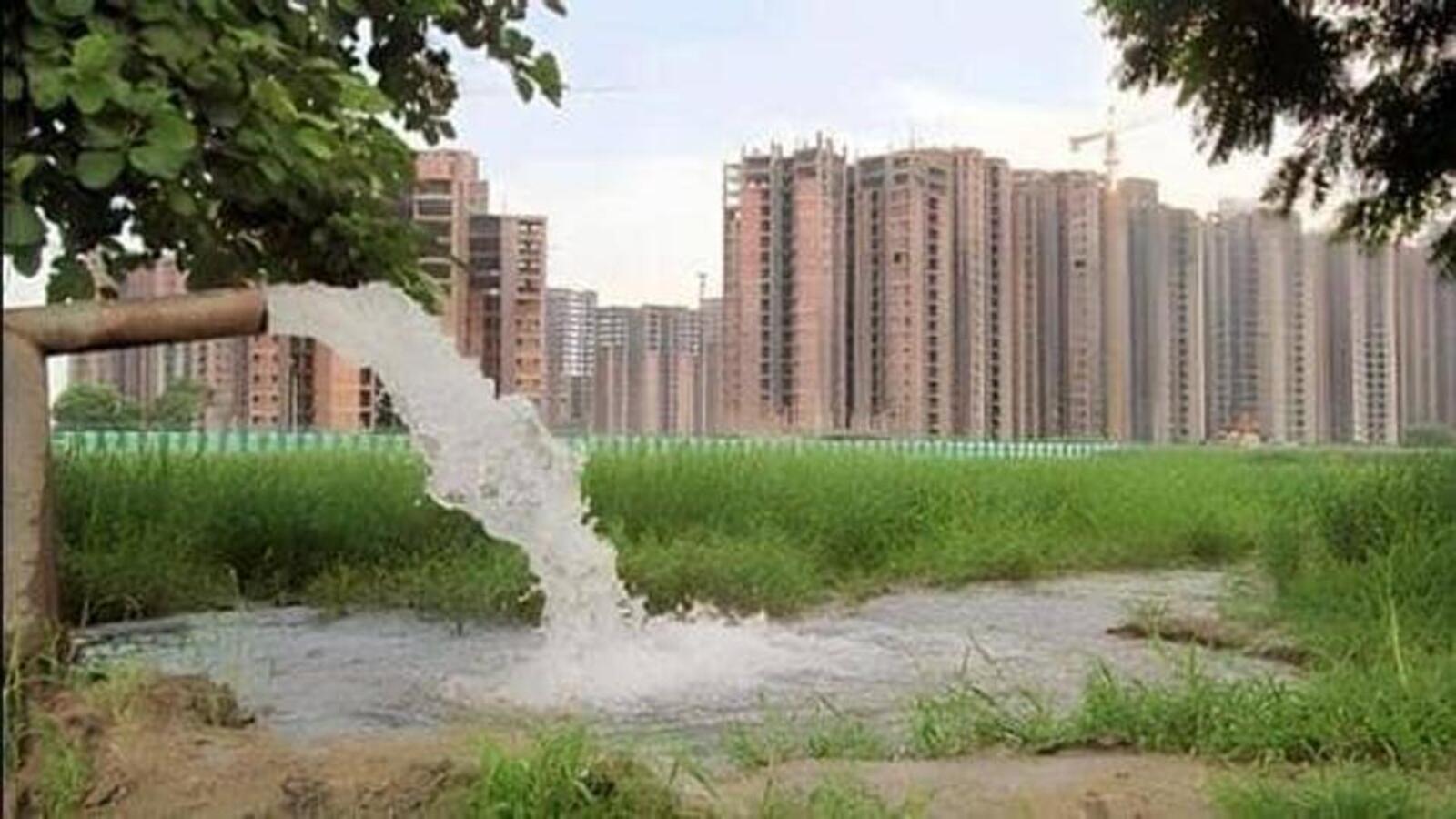
A prolonged disruption in piped water supply at a large housing complex in Noida has brought renewed attention to the fragile governance of basic urban services in fast-growing residential corridors. Residents of a high-density society in Sector 78 have approached the city’s water utility, seeking regulatory action against the developer over what they describe as months of unreliable supply and mounting financial burden.
According to residents, water availability has remained inconsistent for over half a year, forcing households to depend heavily on private tankers to meet daily needs. The interruptions, they allege, stem from unresolved dues and incomplete approvals linked to the project’s sanctioned water connections. While formal notices have been issued by the utility, residents say the lack of a clear resolution timeline has prolonged uncertainty and discomfort. Official records indicate that the housing project, which includes over a thousand residential units and several commercial establishments, is currently operating with fewer authorised water connections than required. Utility officials have maintained that additional connections can only be activated once outstanding payments are cleared and compliance conditions are met. Partial payments have been made, but significant arrears remain, delaying restoration of regular supply. The dispute has exposed a familiar fault line in large gated developments across the region, where occupancy has outpaced infrastructure provisioning. Urban planners note that such gaps often emerge when projects are handed over without synchronising service capacity with actual population load. In this case, residents argue that they are bearing the consequences of administrative and financial lapses beyond their control.
Beyond inconvenience, residents have flagged health and equity concerns. With tanker usage increasing, households face higher monthly expenses, uneven access to water, and penalties added to utility bills due to delayed payments. For families with elderly members, children, or medical needs, erratic supply has raised fears ahead of peak summer months, when groundwater stress and tanker dependence typically intensify. The developer, in its response to the water utility, has stated that tanker supply has been arranged to bridge the gap and that some payments have been deposited towards outstanding bills. However, residents counter that temporary measures do not substitute for regulated, piped water access and that cost-sharing demands raised within the society have not translated into system-level fixes. Urban governance experts say the episode highlights the need for stronger enforcement mechanisms to protect residents once projects are occupied. Access to potable water, they emphasise, is a non-negotiable urban service, not a negotiable add-on dependent on interim arrangements or collective contributions after possession.
As Noida continues to densify, particularly in sectors dominated by high-rise housing, the case underscores a broader challenge facing Indian cities: aligning real estate approvals, utility provisioning, and post-occupancy accountability. For residents, the immediate concern remains restoring reliable water access. For city authorities, the episode serves as a reminder that sustainable urban growth depends as much on governance discipline as on construction pace.
Also Read: Bengaluru Real Estate Weighs Tech Job Shifts
Noida Housing Society Flags Prolonged Water Crisis
