Bengaluru Power Shutdown Disrupts Key Growth Corridors
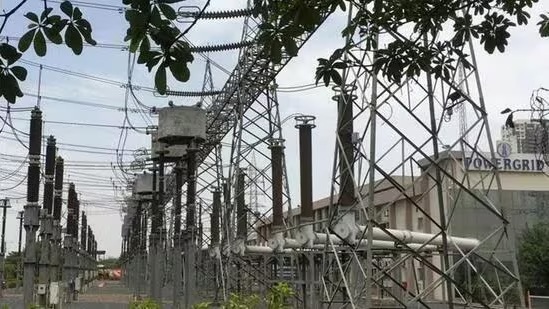
Bengaluru will see planned electricity disruptions across several residential, commercial, and institutional clusters on February 10 and 11 as the city’s power utility undertakes scheduled grid maintenance. The Bengaluru power shutdown will affect large parts of the city’s southern and southeastern growth corridors, underscoring the mounting challenge of maintaining essential urban services amid rapid densification and mixed-use expansion. According to public utility schedules, power supply will be interrupted for multiple time blocks ranging between four and seven hours across both days.
Affected neighbourhoods include established residential zones, technology parks, industrial pockets, healthcare institutions, and high-density apartment clusters spanning Koramangala, HSR Layout, Bommanahalli, Electronics City, Madiwala, Bannerghatta Road, and adjoining areas. Several water treatment facilities, educational campuses, and commercial buildings are also on the shutdown list. Utility officials have indicated that the outages are part of preventive maintenance and network strengthening works aimed at improving grid reliability ahead of higher summer demand. Bengaluru’s electricity consumption has grown steadily over the past decade, driven by technology campuses, vertical housing, and peripheral urbanisation. Maintenance shutdowns, while disruptive, are increasingly being positioned as necessary interventions to avoid unplanned failures during peak load periods. Urban planners note that the spread and duration of the Bengaluru power shutdown highlight a deeper infrastructure coordination gap.
Many of the affected localities are dense, transit-linked neighbourhoods where residents depend heavily on electricity for water pumping, remote work, healthcare equipment, and mobility services. For businesses, especially small offices, co-working spaces, and neighbourhood retail, even scheduled outages translate into productivity losses unless backup systems are in place. The situation also brings attention to the uneven resilience of the city’s built environment. Premium technology parks and gated communities typically rely on diesel generators, raising concerns around emissions, noise, and operating costs. In contrast, smaller residential layouts and informal commercial clusters often lack adequate backup, making them more vulnerable during extended outages. Energy experts argue that such patterns underline the urgency of decentralised solutions such as rooftop solar, battery storage, and micro-grids at the neighbourhood level.
From a governance perspective, the shutdowns serve as a reminder that infrastructure upgrades must keep pace with Bengaluru’s vertical and spatial growth. As the city expands outward and upward, the stress on power distribution networks intensifies, particularly in mixed-use zones where residential and commercial demand overlaps. Looking ahead, urban policy specialists suggest that planned maintenance needs to be better synchronised with water supply, transport operations, and public communication systems. Transparent scheduling, early alerts, and investment in cleaner backup power could help reduce the social and economic impact of such disruptions. As Bengaluru positions itself as a climate-resilient, future-ready metropolis, the reliability of everyday services like electricity will remain a critical measure of urban performance.