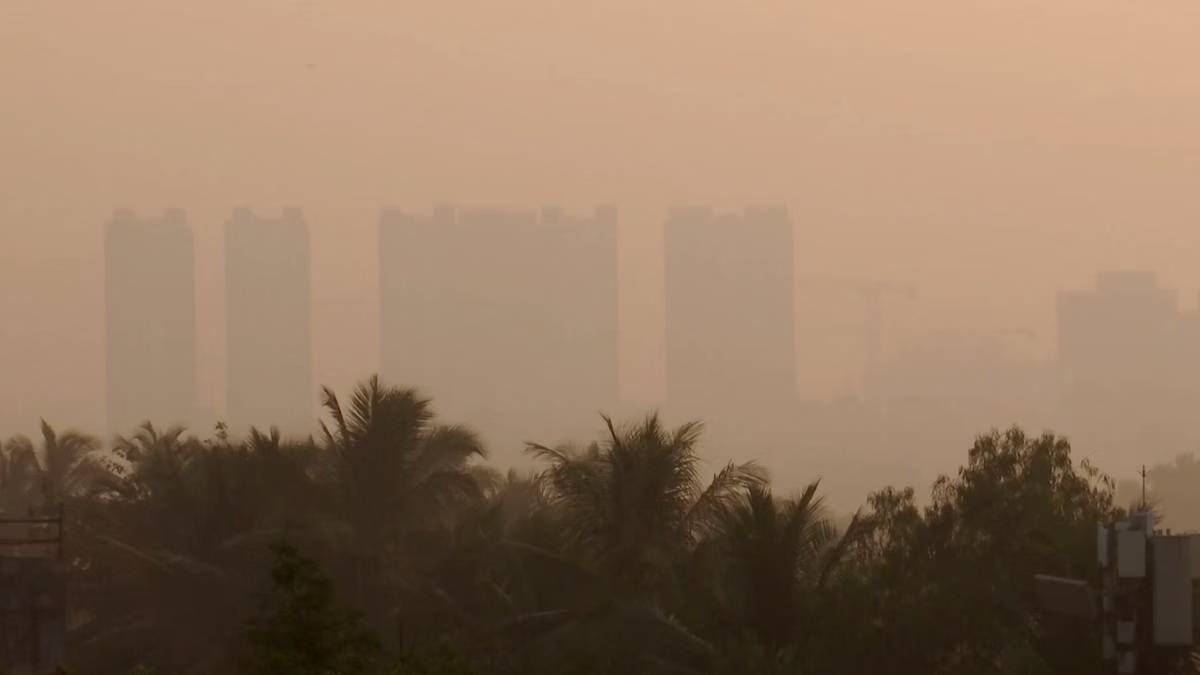
Mumbai recorded its most breathable air so far this month over the weekend, offering temporary relief to residents even as unseasonably high temperatures continued to grip the city. While air quality levels showed a measurable improvement across much of the Mumbai Metropolitan Region (MMR), the parallel rise in daytime and night-time temperatures underlined the growing complexity of urban climate challenges facing India’s financial capital.
According to official monitoring data, the citywide Air Quality Index (AQI) settled within the ‘moderate’ range, marking the cleanest average recorded since early February. Urban planners and environmental analysts view the improvement as notable, particularly given Mumbai’s dense construction activity and heavy traffic volumes. However, they caution that a moderate AQI still carries health risks for vulnerable groups and cannot be seen as a long-term win for urban air management. Air quality gains were unevenly distributed across the city. Northern and eastern suburbs reported near-satisfactory conditions, suggesting the influence of local wind movement and reduced pollutant accumulation. In contrast, several central and southern pockets continued to record higher pollution levels, reflecting persistent challenges linked to congestion, industrial activity, and limited green buffers. Similar contrasts were observed in adjoining urban centres, with some residential nodes recording healthier air while industrial zones remained under pressure.
At the same time, Mumbai experienced temperatures significantly above the seasonal norm. Data from official weather observatories showed maximum temperatures exceeding long-term averages by more than three degrees Celsius, while minimum temperatures also remained elevated. Climate experts note that warmer nights are increasingly common in coastal megacities, reducing thermal comfort and raising energy demand for cooling in homes, offices, and commercial buildings. This dual trend—improving air quality alongside rising heat—has important implications for urban planning and real estate development. Cleaner air days are often linked to short-term meteorological conditions rather than structural emission reductions. Meanwhile, sustained higher temperatures place stress on infrastructure, public health systems, and power networks, particularly in dense, low-income neighbourhoods with limited access to cooling and open spaces.
Urban policy specialists emphasise that episodic air quality improvements should not distract from the need for long-term interventions. Expanding shaded public spaces, improving walkability, accelerating electrification of transport, and integrating heat-resilient building design are increasingly seen as interconnected priorities rather than separate policy goals. For a city pursuing climate resilience and equitable growth, managing air quality and urban heat together is becoming unavoidable. As Mumbai moves deeper into the pre-summer months, officials are expected to closely monitor both pollution and temperature trends. The coming weeks will test whether recent gains in air quality can be stabilised—and whether the city’s infrastructure and planning frameworks are ready for a hotter, more climate-sensitive urban future.
Mumbai Sees Cleaner Air Amid Rising Heat