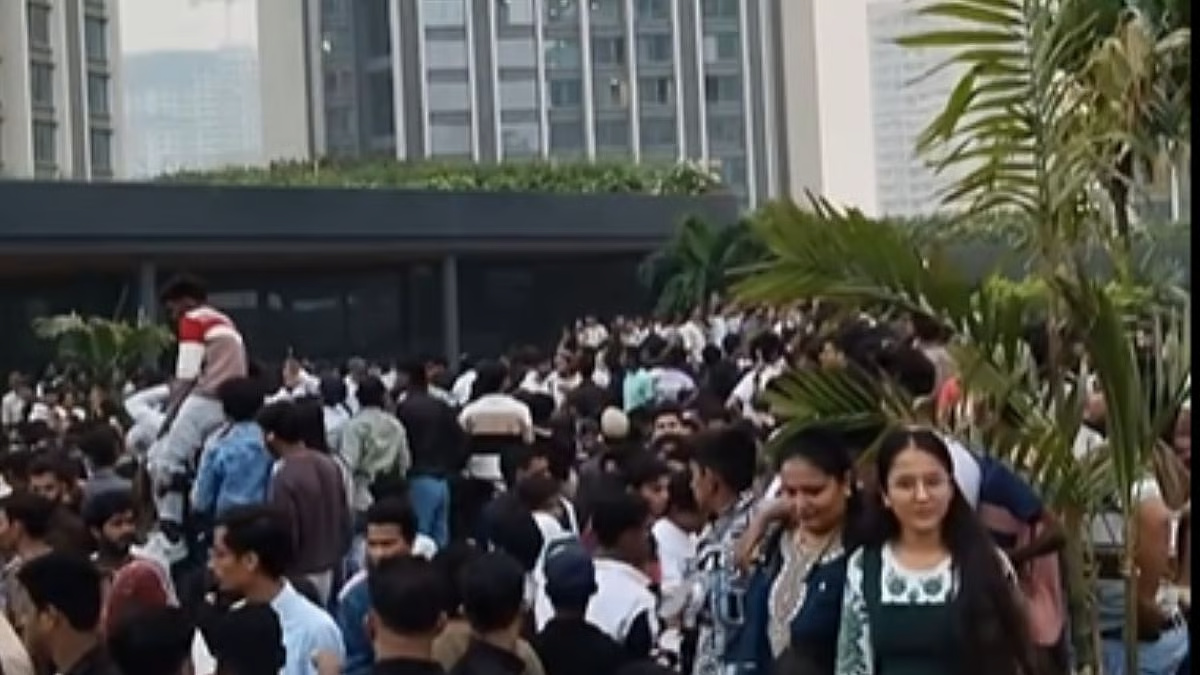
Access to the rooftop at Sky City Mall in Borivali has been temporarily suspended as management moves to address crowd density concerns at one of Mumbai’s fastest-growing lifestyle destinations. While the mall’s retail, dining, and entertainment zones remain fully operational, the rooftop closure reflects rising challenges around managing footfall in high-visibility urban spaces designed for leisure and social interaction.
The Sky City Mall rooftop had quickly evolved into a popular evening draw, offering open-air views, social spaces, and a visually striking layout that resonated strongly with younger visitors and families alike. However, sustained surges in visitor numbers—particularly on weekends—began stretching the area beyond its intended capacity, prompting a reassessment of safety protocols and access controls. According to officials familiar with the matter, the temporary closure is a precautionary measure while revised crowd management systems are reviewed. Prior to the shutdown, the mall had already moved towards limiting rooftop entry to diners with confirmed restaurant bookings, an approach increasingly used in dense urban markets to regulate numbers without fully restricting access. The decision underscores how experiential retail spaces are being forced to balance popularity with operational resilience.
Urban planners say such developments highlight a broader shift in Mumbai’s built environment. Rooftops, terraces, and open decks are increasingly positioned as extensions of public space within private developments. “As cities densify, semi-public areas inside commercial properties are filling the gap left by limited open spaces,” said an urban design expert. “That also places a responsibility on developers to manage safety, circulation, and emergency readiness as rigorously as any public venue.” From a business perspective, managing the Sky City Mall rooftop experience is also about sustaining long-term value. Overcrowding can degrade visitor experience, increase maintenance stress, and raise liability risks—factors that directly affect tenant performance and brand perception. Analysts note that controlled access, while temporarily limiting footfall, often improves dwell time and customer satisfaction over the long run.
The episode also carries lessons for climate-resilient urban design. Open-air rooftop zones are increasingly promoted as alternatives to enclosed, energy-intensive interiors. However, without adequate crowd modelling, ventilation planning, and heat management, such spaces can quickly become strained. Mumbai’s growing emphasis on people-first, low-carbon urban environments will require closer integration between design intent and real-world usage patterns. Officials indicated that the Sky City Mall rooftop will reopen once revised entry protocols and monitoring mechanisms are finalised. These are expected to include stricter access controls and clearer capacity thresholds. For Mumbai’s evolving retail landscape, the pause serves as a reminder that successful urban spaces are not just about attraction—but about safe, inclusive, and sustainable everyday use.
Borivali Sky City Mall Halts Rooftop Entry Over Capacity Issues