


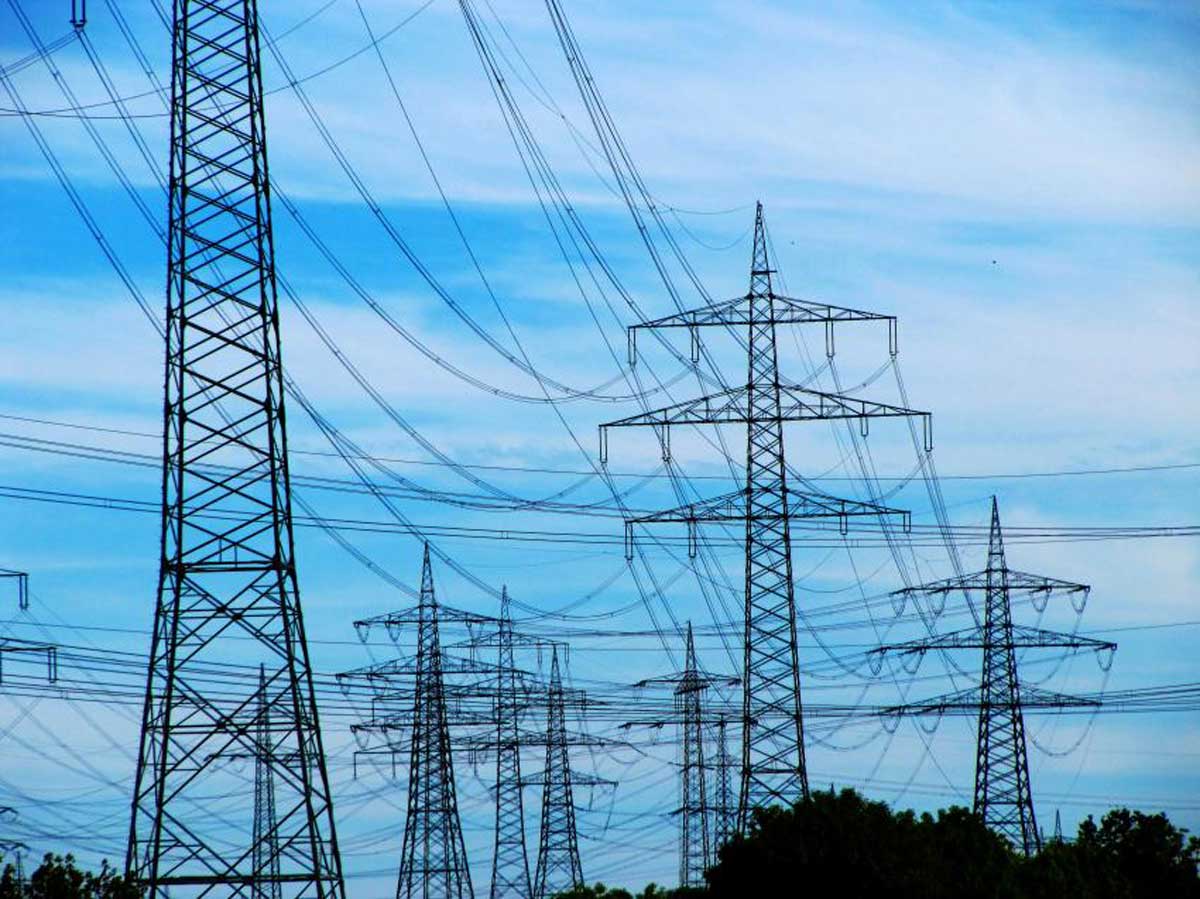
Uttar Pradesh has entered a new phase of electricity reliability as recent data indicates that the long-standing gap between power demand and supply has narrowed to near zero, even during peak consumption periods. The shift marks a structural change for India’s most populous state, where inconsistent power availability once constrained industrial growth, urban productivity, and household quality of life.
Energy planners say the improvement is the outcome of sustained upgrades to transmission infrastructure, distribution reforms, and tighter demand management rather than a short-term supply surge. Over the past four years, the state has steadily expanded its ability to procure and transmit electricity through the national grid, allowing utilities to respond more effectively to seasonal spikes driven by heatwaves, irrigation demand, and urban consumption.Official power sector data shows a consistent rise in electricity availability across recent financial years, tracking closely with demand growth. Urban centres, industrial corridors, and high-consumption rural belts have reported fewer scheduled and unscheduled outages, a development that industry representatives describe as critical for maintaining production cycles and investor confidence. For micro, small, and medium enterprises, predictable power supply has reduced dependence on diesel generators, lowering operating costs and emissions.
A key factor behind the turnaround has been the restructuring of distribution networks under national reform programmes. Ageing lines have been replaced, transformer capacities enhanced, and feeder separation expanded to manage agricultural and non-agricultural loads more efficiently. Smart metering initiatives are also improving billing accuracy and consumption monitoring, helping distribution companies reduce technical and commercial losses.Urban planners point out that reliable electricity is foundational to sustainable city growth. Stable power supports public transport systems, water treatment plants, digital services, healthcare facilities, and climate-resilient housing. In emerging urban clusters along expressways and industrial nodes, dependable electricity has become a deciding factor for real estate development and manufacturing investment.
Rural electrification has also played a role in broadening economic participation. Expanded household connections and improved feeder reliability have supported cold storage, food processing, cottage industries, and mechanised agriculture. Energy economists note that these changes strengthen local economies while narrowing the urban–rural productivity divide.From a climate perspective, reduced outages and better grid management are helping curb reliance on backup fossil-fuel generation. Energy experts say this creates space for higher integration of renewable power, particularly solar, without compromising grid stability. However, they caution that continued investment in storage, forecasting, and grid automation will be necessary as demand rises further.
Looking ahead, the challenge for Uttar Pradesh will be sustaining power reliability while accommodating rapid urbanisation, industrial expansion, and climate-related demand volatility. If infrastructure upgrades and governance reforms keep pace, the state’s electricity sector could emerge as a quiet enabler of inclusive growth, cleaner cities, and long-term economic resilience.
Also Read:Chennai Metro Phase Two Elevated Sections Nearing Completion
Uttar Pradesh Power Reforms Stabilise Peak Supply
