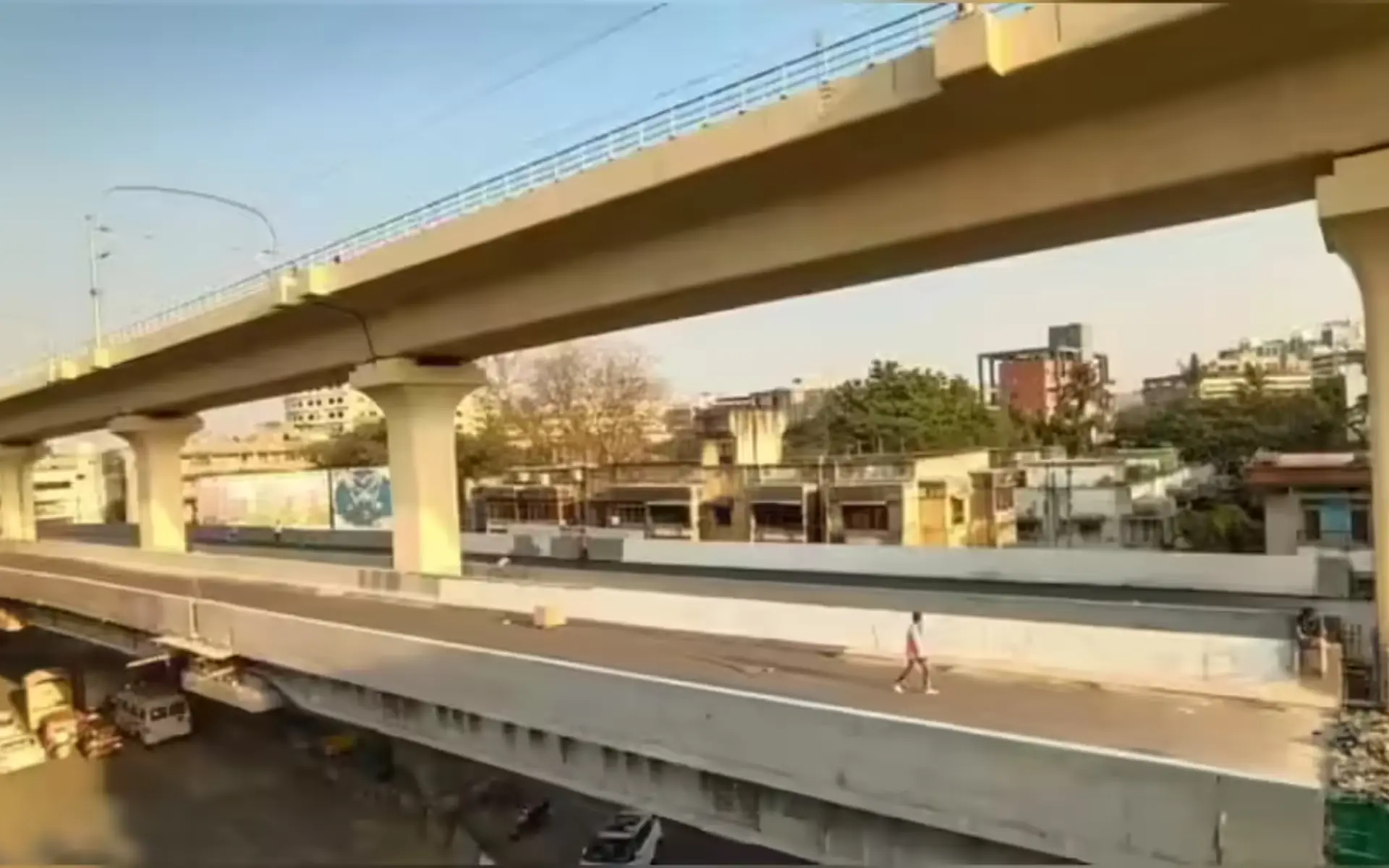
Pune Double Decker Bridge Boosts Urban Connectivity
Pune’s urban mobility landscape is poised for a structural shift as authorities progress on an ambitious double-decker corridor that integrates elevated metro services with road traffic flow, aimed at significantly reducing congestion on the busy Pune-Nagar Road. The project, spanning approximately 4.7 km from Yerawada through Kharadi to Wagholi, reflects a broader strategic emphasis on multimodal infrastructure that boosts connectivity while addressing climate-responsive urban growth.
The double-deck design will separate modes of movement vertically: Metro rail will run on the upper level, while a four-to-six-lane flyover beneath will serve private vehicles, buses and freight traffic. This configuration directly responds to perennial commuter delays through one of Pune’s busiest corridors, where peak-hour journeys can currently extend beyond 45 minutes. Post-completion travel time is projected to decline to 15–20 minutes, a meaningful improvement in commuter experience and economic productivity.Urban planners attribute the push for such integrated infrastructure to Penn’s rapid growth as an IT hub and regional economic centre. The corridor connects key employment clusters including IT Park, EON Free Zone and World Trade Center, which together generate substantial daily traffic flows. Achieving seamless transit here is essential to maintaining competitive advantage in attracting talent and investment, particularly as Pune prepares for phase-wise metro expansions across the metropolitan region.
The project is being developed through a coordination between Maharashtra Metro Rail Corporation Limited (MahaMetro) — overseeing metro rail infrastructure — and relevant road agencies responsible for the flyover component. Such inter-agency collaboration is increasingly necessary as Indian cities upscale transport networks to meet rising demand without enlarging urban footprints. Stacking modes vertically can optimise scarce urban land and reduce surface-level disruption, an approach observed in other metros experimenting with multimodal corridors.Beyond congestion relief, the double-deck corridor could have wider economic and environmental impacts. Faster, predictable travel reduces both time costs and vehicle emissions, a critical consideration where urban air quality remains a policy priority. Pune’s municipal authorities have highlighted that reduced idling and stop-start traffic can directly lower carbon intensity along this busy axis, complementing ongoing efforts to expand electrified public transit and non-motorised transport options.
However, successful delivery hinges on addressing technical and social challenges. Integrated structures require robust structural design, vibration mitigation, and safety protocols to accommodate differing load dynamics between rail and road. Community engagement and transparent planning will be essential to maintain public trust, especially where construction impacts local neighbourhoods, small businesses and informal mobility patterns.
This integrated corridor is part of a constellation of initiatives transforming Pune’s transport ecosystem, including the nearing operational launch of the Hinjewadi–Shivajinagar Metro line and fleet expansion plans for the broader metro network. As Pune edges closer to new mobility operational milestones, these multimodal investments underline a shift towards sustainable, climate-responsive, and inclusive urban infrastructure that balances rapid growth with quality of life improvements.