


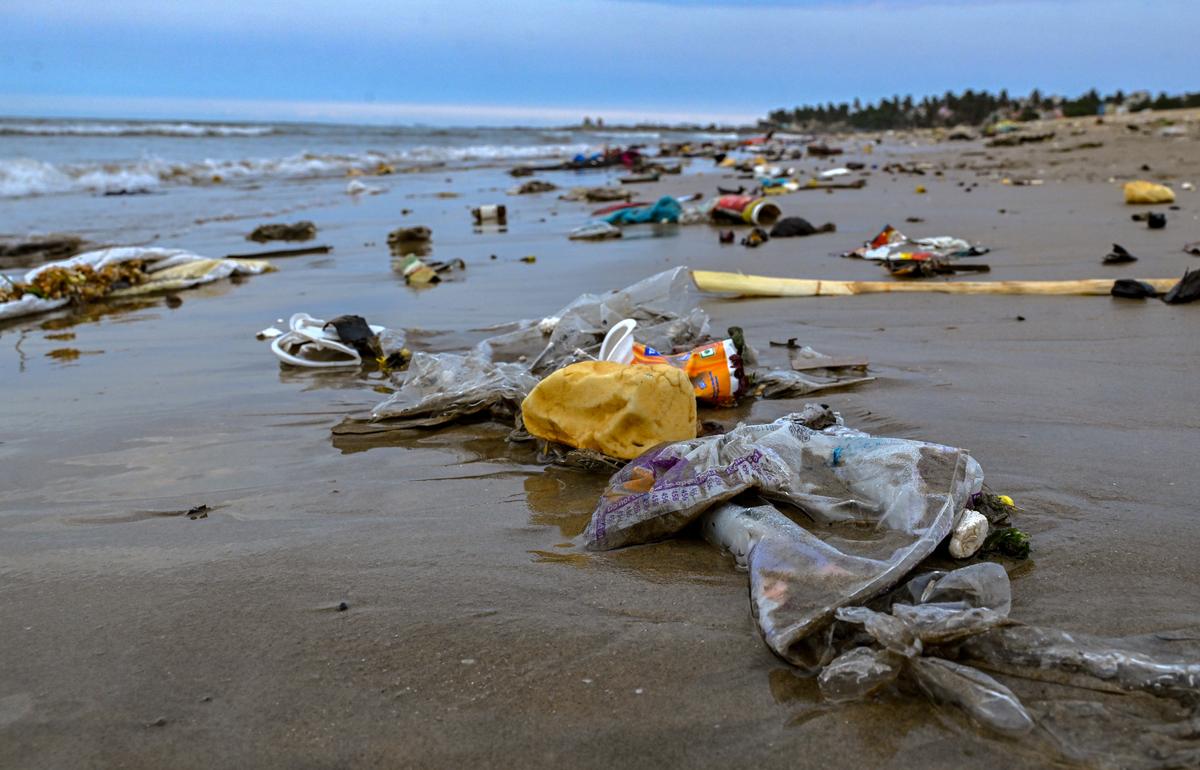
Hyderabad’s long-running struggle with solid waste management has returned to the national spotlight after a statutory human rights body issued a renewed directive to state pollution regulators and the city’s civic administration over environmental conditions at the Jawahar Nagar dumping yard on the city’s northern fringe. The intervention underscores how unmanaged urban infrastructure can escalate from a municipal concern into a public health and governance challenge with wider economic consequences.
The dumping yard, which serves as one of the metropolitan region’s primary waste disposal sites, has been at the centre of complaints from surrounding residential clusters for several years. Residents in nearby neighbourhoods have reported persistent odour, degraded air quality and suspected groundwater contamination, raising concerns about long-term exposure risks in a rapidly densifying urban corridor. For a city positioning itself as a technology and investment hub, such conditions threaten liveability indicators that increasingly influence real estate demand and workforce mobility.According to officials familiar with the proceedings, the national rights body has cautioned the state pollution control authority and the municipal corporation that earlier directions related to environmental safeguards and health protection must be implemented without further delay. Failure to demonstrate compliance could invite stronger statutory measures. The warning follows an assessment of submissions detailing alleged gaps in waste processing, leachate management and emissions control at the site.
Urban planners note that the Jawahar Nagar case reflects a broader structural issue confronting Indian cities: landfill-centric waste systems struggling to cope with rising volumes and changing waste composition. In Hyderabad’s case, peripheral dumping grounds that were once distant from habitation are now surrounded by residential and commercial development, amplifying health risks and social friction. This proximity also exposes weaknesses in land-use planning and enforcement, particularly in high-growth peri-urban zones.The matter has also drawn attention to reports of trial operations linked to waste-to-energy processes being undertaken without full regulatory clearances. Experts say that while waste-to-energy can play a role in reducing landfill loads, such facilities demand strict monitoring to avoid secondary pollution, especially noise and airborne emissions. Inadequate oversight can undermine public trust in sustainable infrastructure solutions that cities urgently need.
From an economic perspective, prolonged environmental non-compliance carries hidden costs. Healthcare burdens, declining property values in affected localities and increased litigation risks can strain municipal finances. For investors tracking urban infrastructure and housing markets, regulatory uncertainty around essential services like waste management is a red flag.Senior civic officials indicate that remedial measures, including improved waste segregation, leachate treatment and environmental monitoring, are under consideration. However, analysts argue that piecemeal fixes will not suffice. What is required is an integrated metropolitan waste strategy aligned with climate resilience goals, circular economy principles and transparent governance.
As the authorities prepare their response, the episode serves as a reminder that sustainable urban growth is inseparable from basic environmental management. How Hyderabad resolves the Jawahar Nagar challenge may set a precedent for other fast-growing cities navigating the intersection of infrastructure expansion, public health and accountability.
Also Read:Hyderabad Rail Investment Push Reshapes Regional Connectivity
Hyderabad Waste Crisis Puts Regulators Under Pressure
