


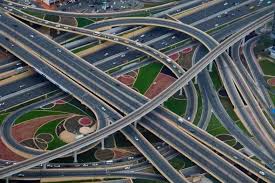
Hyderabad is entering a decisive phase of urban restructuring as the Telangana government advances a large pipeline of infrastructure investments aimed at easing mobility constraints, strengthening growth corridors, and supporting long-term climate resilience. More than 45 projects with a combined value exceeding Rs 7,000 crore are currently under execution across the metropolitan region, signalling one of the city’s most coordinated infrastructure pushes in recent years.
The ongoing works span a mix of grade separators, flyovers, underpasses, and arterial road expansions at key congestion points. Urban planners say the scale and spread of the projects reflect a shift away from isolated interventions towards corridor-based planning, particularly in high-employment zones and emerging residential belts. Dedicated infrastructure packages are also being rolled out in technology-driven districts, alongside targeted upgrades in southern and peripheral zones that have seen rapid population growth. Officials overseeing the programme indicate that the emphasis is not only on traffic decongestion but also on redistributing economic momentum beyond the traditional core. By strengthening links between established business districts and newer urban extensions, the government aims to reduce pressure on central Hyderabad while improving access to jobs, housing, and services across the metropolitan area. Crucially, the infrastructure expansion is being guided by longer-term planning frameworks such as the city’s Blue-Green Master Plan and a comprehensive mobility strategy. These plans integrate stormwater management, open spaces, public transport prioritisation, and non-motorised mobility into infrastructure design, reflecting growing recognition that future-ready cities must address climate risks alongside growth demands. Senior administrators point to rising land and property transactions as an indicator of confidence in the city’s development trajectory. Stamp and registration revenues have multiplied several times over the past decade, underscoring the expanding scale of formal real estate activity.
Analysts caution, however, that sustained revenue growth must be matched with commensurate investment in civic services such as water supply, drainage, and public transport to avoid infrastructure-led inflation and service deficits. The policy environment has also evolved, with digitised approvals and streamlined inter-departmental clearances reducing project timelines. In sectors such as irrigation and utilities, faster permissions are expected to lower execution risks for both public infrastructure and private development, improving predictability for investors and homebuyers alike. The momentum was evident at the ongoing city property exhibition, which brings together hundreds of verified residential and commercial projects under one platform. Urban economists note that such events increasingly serve as confidence markers, reflecting not just market demand but also the credibility of regulatory and infrastructure ecosystems.
As Hyderabad continues to expand outward, experts argue that the true test of the current infrastructure drive will lie in its inclusivity. Ensuring that mobility upgrades, road capacity, and public services reach lower-income neighbourhoods and newly urbanising areas will be essential to sustaining the city’s reputation as a balanced, liveable, and opportunity-rich metropolis. The coming years will reveal whether today’s investments translate into a more resilient and equitable urban future.
Also Read: Pune Residents Flag Worsening Water Pressure Issues
Hyderabad Infrastructure Pipeline Targets Balanced Expansion
