


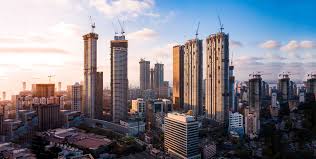
A new collaboration between a leading Indian real estate developer and a global electrical solutions major is set to introduce a technology-integrated housing format in Gurugram, highlighting how premium residential projects are increasingly being positioned around smart infrastructure and energy-efficient living rather than scale alone.
The partnership centres on a luxury residential development located along the Dwarka Expressway in Sector 104, one of Gurugram’s fastest-evolving urban corridors. As part of the arrangement, a curated set of residences within the project will be equipped with advanced electrical, power management, and smart home systems designed to enhance safety, convenience, and energy performance. Urban analysts note that Dwarka Expressway has emerged as a critical growth spine linking Delhi and Gurugram, driven by new road capacity, metro planning, and proximity to employment hubs. This infrastructure-led expansion has made the corridor attractive for high-value housing aimed at end-users seeking larger homes with integrated amenities rather than purely speculative investments. The residences covered under the collaboration are planned in spacious configurations, catering to affluent households prioritising privacy, automation, and long-term asset value. With pricing positioned firmly in the ultra-luxury bracket, the project reflects a broader trend in India’s housing market where premium buyers increasingly evaluate homes based on build quality, technological integration, and operational efficiency.
From a market perspective, co-branded residential offerings represent a shift in how developers differentiate projects in competitive urban markets. Instead of relying solely on architectural scale or location branding, partnerships with technology and infrastructure providers are being used to signal reliability, performance standards, and lifecycle value. Industry experts say this approach also helps developers standardise specifications and reduce variability in execution. Energy efficiency and smart power systems are gaining prominence as urban housing faces rising electricity demand and sustainability pressures. Intelligent lighting, load management, and automation solutions can reduce operational costs over time while improving resilience against outages and inefficiencies. For city planners, such features align with broader goals of reducing per-household energy intensity and promoting more climate-responsive residential design. The collaboration also reflects the increasing convergence of real estate and building technology in India’s premium housing segment. As regulatory norms tighten and buyer awareness grows, developers are under pressure to deliver homes that are not only aesthetically distinctive but also compliant with evolving safety, energy, and digital standards. While ultra-luxury housing remains a niche segment, its influence on design and specification trends often filters down to mid-market projects over time. Observers note that innovations piloted in high-end developments frequently become benchmarks for future residential construction across metropolitan regions.
As Gurugram continues to densify along key transport corridors, the success of such technology-led housing models will depend on their ability to balance luxury with long-term urban sustainability. For buyers, the focus is shifting from headline features to how well homes perform over decades in energy use, adaptability, and integration with the city’s infrastructure ecosystem.
Also Read: India Monetary Policy Supports Real Estate Planning
Gurugram Housing Blends Real Estate and Technology
