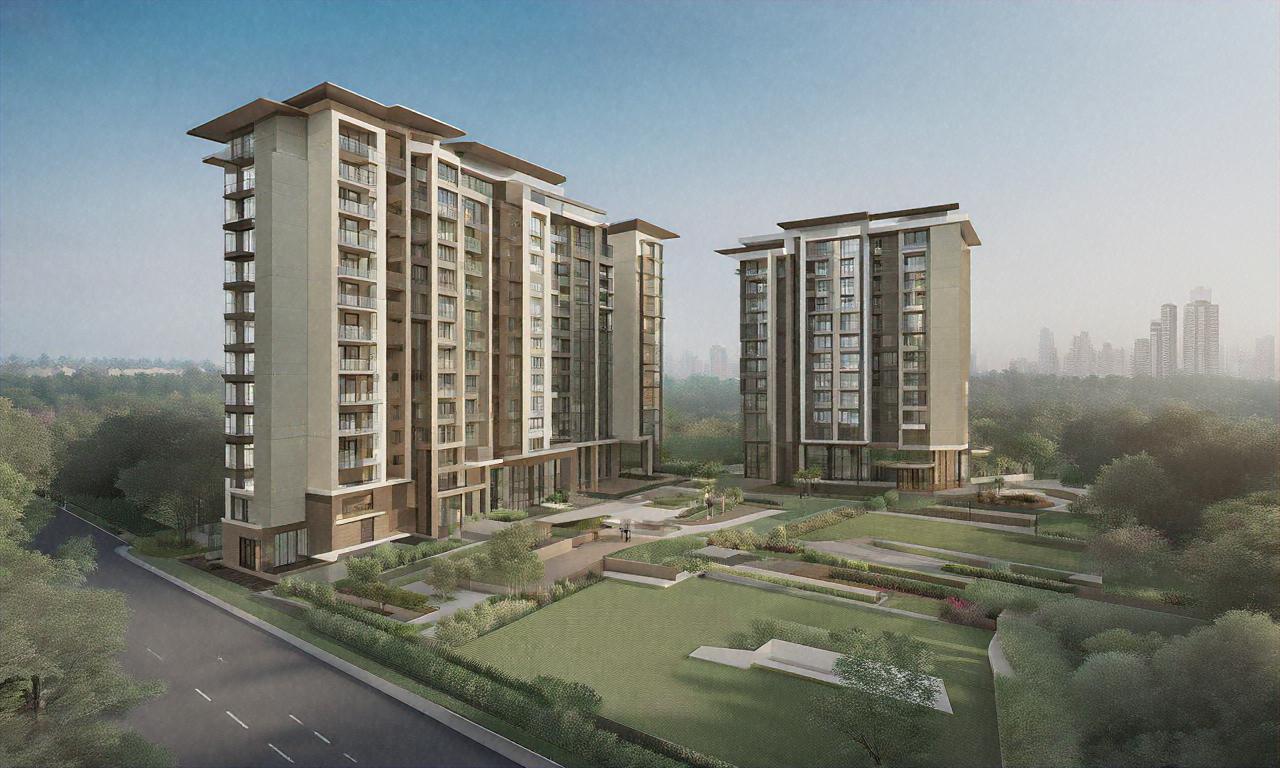
A listed residential developer has expanded its footprint in Maharashtra by securing a sizable land parcel in Raigad district, marking a strategic push into India’s growing senior living housing segment. The acquisition, involving nearly nine acres in the Wavarle area, signals increasing investor confidence in age-focused residential formats as demographic shifts and longevity reshape urban housing demand.
The land has been acquired through outright purchases from multiple owners and will be developed into a purpose-built senior living community. The proposed project is expected to deliver around 4.5 lakh square feet of saleable residential space, catering to older adults seeking independent yet supported living environments. Industry observers say such developments are gaining traction in peri-urban locations where land availability, connectivity, and environmental quality align with long-term livability goals. Senior living housing remains a relatively underpenetrated segment in India, despite a rapidly ageing population and rising nuclearisation of families. Urban planners note that districts like Raigad are increasingly being viewed as viable alternatives to dense metropolitan cores, particularly for housing formats that prioritise accessibility, open spaces, healthcare proximity, and climate-sensitive design.
The developer’s move also reflects a broader recalibration underway in India’s residential real estate sector, where developers are diversifying beyond conventional mid-income and luxury housing. Analysts point out that senior housing projects offer longer-term revenue visibility and lower speculative volatility, provided operations and care services are professionally managed. In a parallel development, the company has restructured operations at an existing elder care facility in northern India through a specialised care management partnership. Under this arrangement, the partner organisation will assume end-to-end operational responsibility for assisted living services, including care for residents with chronic health conditions. The facility includes a dedicated care campus with several dozen beds designed to support varying levels of medical and personal assistance.
Real estate experts see such operating partnerships as critical to the long-term success of senior living projects. Unlike conventional housing, elder-focused developments require integrated service delivery, trained staff, and healthcare coordination, making asset-light operating models increasingly common in the sector. From an urban development perspective, senior housing is also being viewed as an important component of inclusive city planning. Well-designed elder communities can reduce pressure on public healthcare systems, enable ageing-in-place, and promote social inclusion while supporting employment in care services.
As Indian cities grapple with housing affordability, climate resilience, and changing population profiles, the expansion of professionally managed senior living communities is expected to play a more visible role in the residential landscape. For regions like Raigad, such projects may also catalyse supporting infrastructure, including healthcare facilities, mobility services, and local employment, reinforcing their position within the broader metropolitan ecosystem.
Ashiana Housing Expands Elder Living Footprint In Maharashtra