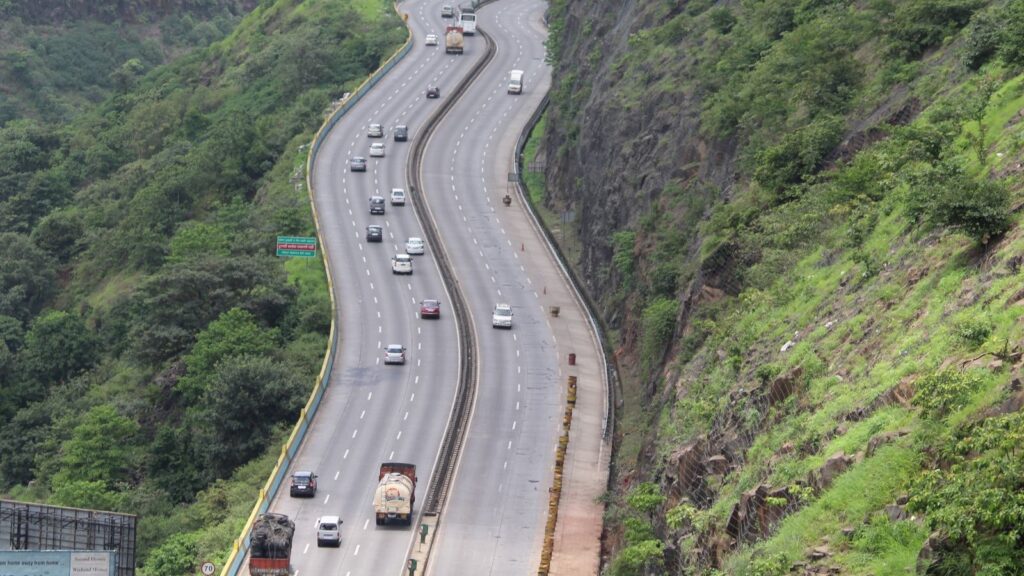
Mumbai Pune Expressway Chaos Exposes Urban Mobility Gaps
Plans to expand the 94-kilometre Mumbai–Pune Expressway with an estimated ₹16,000-crore upgrade have been stalled for four months, even as recent traffic disruptions underscore growing pressure on one of Maharashtra’s most vital transport corridors. The impasse highlights how infrastructure bottlenecks can compound everyday mobility challenges, amplify economic costs for commuters and freight, and reshape planning priorities for cities and regional supply chains.
The Maharashtra State Road Development Corporation (MSRDC) submitted a detailed expansion proposal months ago to widen the expressway from its current six lanes to ten, with the aim of easing congestion and accommodating rising vehicle volumes between India’s two largest economic hubs. However, government approval has been delayed — reportedly influenced by ongoing electoral considerations — leaving the project in limbo even as traffic snarls and safety concerns intensify.The expressway was commissioned in 2002 as India’s first access-controlled highway, significantly reducing travel time between Mumbai and Pune. But daily vehicle counts have soared in the ensuing decades, reflecting both rising urbanisation around Pune and greater commuting between the two cities’ economic nodes. Experts estimate that traffic has steadily climbed, with heavy vehicles and commuter cars alike pushing the existing capacity to its limits.
This strain was made starkly visible in early February 2026 when a tanker carrying highly flammable propylene overturned near the Adoshi tunnel in the Khandala ghat section, triggering a hazardous fuel leak and a shutdown that halted movement for more than 30 hours. Thousands of travellers — including families, workers and freight vehicles — endured kilometres of gridlock, with public transport services disrupted and basic needs like food, water and sanitation inaccessible for many stranded commuters.Urban mobility analysts say the incident, one of the longest standstills in the expressway’s history, revealed both safety vulnerabilities and capacity constraints. In particular, the absence of alternative high-capacity routes — such as the long-pending Missing Link project designed to bypass the challenging ghat segment — magnifies the reliance on a single transport artery, amplifying the systemic impact of accidents or breakdowns.
Local civil groups and commuter advocates have also criticised ongoing toll collection during prolonged traffic standstills, arguing that charging for mobility that simply does not materialise undermines the social contract of public infrastructure and erodes trust in managing authorities. Calls for policy reform include contingency toll waivers, clearer emergency response protocols and performance-linked accountability mechanisms.From an urban planning perspective, the delay in expressway expansion comes at a time when integrated mobility solutions are becoming essential to regional economic productivity. Freight movements between ports, industrial clusters and consumer markets increasingly depend on reliable road connectivity, while commuters between Pune and Mumbai rely on efficient transit to access jobs, services and social networks.
The longer approval bottlenecks persist, the greater the economic drag and environmental cost — longer idling times, fuel waste and emissions from severe congestion. Stakeholders argue that accelerated decision-making, coupled with phased delivery of both the expressway expansion and parallel rail and rapid transit improvements, could better serve the region’s growth needs.As pressure mounts on authorities to bridge this infrastructure gap, the focus will likely shift to how effectively planning, funding and project execution can be synchronised to avert recurring crises on one of India’s busiest urban corridors.