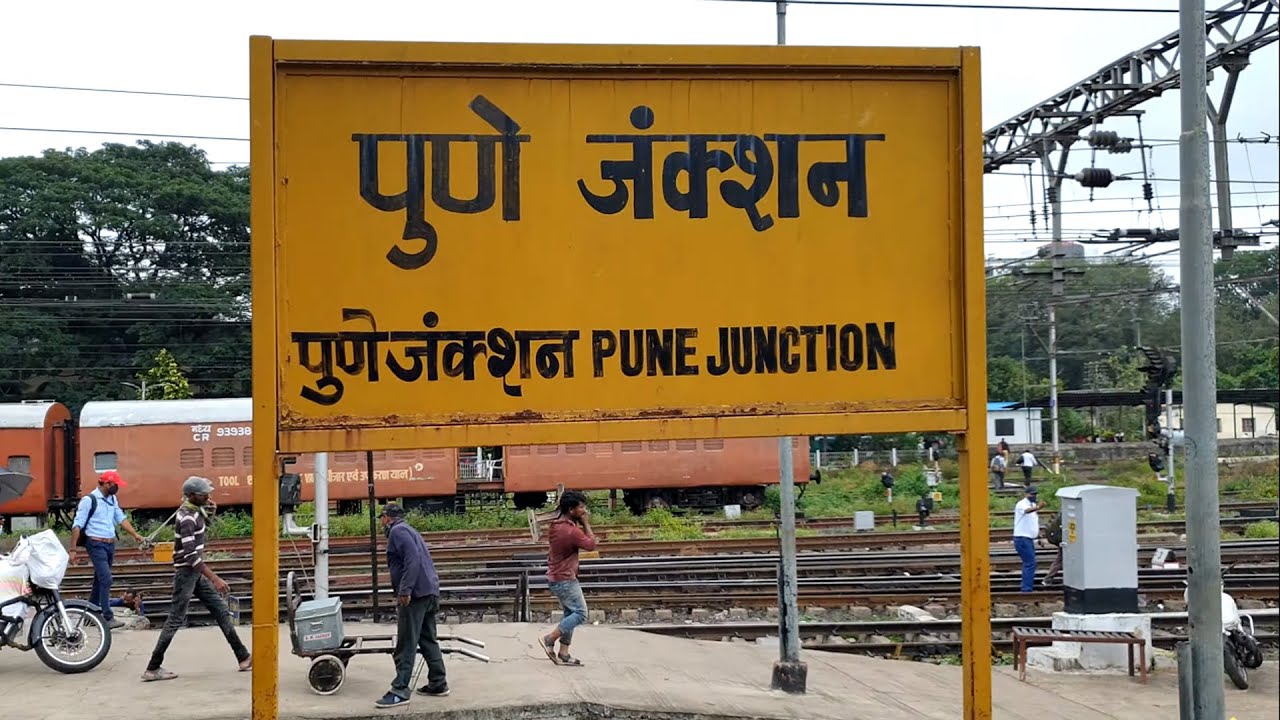
Pune Rail Demand Surges While MSRTC Bus Use Declines
Commuter travel patterns between Pune and Mumbai have shifted sharply this week, with inter-city trains running at full capacity while the Maharashtra State Road Transport Corporation (MSRTC) reports a significant fall in bus passengers — a trend that underscores persistent mobility challenges in one of India’s busiest urban corridors. The shift comes amid a prolonged gridlock on the Mumbai-Pune Expressway, which snarled road traffic for nearly two days and prompted widespread bus cancellations and delays.
According to rail officials, key services such as the Deccan Queen, Pragati Express and Sinhagad Express were operating near or at seat capacity on Thursday, with an uptick in demand particularly visible in general compartments. That contrasts starkly with MSRTC’s experience, where early-morning services saw occupancy drop to just 7–10 passengers per bus against a usual average of around 80, and 20 scheduled buses were cancelled during peak congestion.The disruption was triggered by a severe traffic jam on the expressway that began Tuesday evening and persisted into Thursday morning, with some buses experiencing delays of three to four hours on what is typically a four-to-five hour inter-city run. Although operations normalised by late morning, MSRTC interim figures suggest overall passenger traffic was still about 25 per cent lower than typical levels.
Transport analysts and urban mobility experts point to this episode as a symptom of deeper systemic issues confronting regional transit. Road-based public transport remains vulnerable to congestion, accident-induced gridlocks and infrastructure constraints along the Western Ghats corridor, which is both topographically sensitive and economically critical. In contrast, rail services have historically provided more predictable journey times and greater capacity per trip, especially during periods of peak demand.Urban planners argue that the recent developments have reignited long-running discussions about the need to enhance existing rail infrastructure, streamline service frequency and reduce travel time between Maharashtra’s two largest urban economies. While a high-speed rail project connecting Mumbai and Pune was announced in the national budget and promises travel times as low as 48 minutes, experts caution that full realisation of that vision remains years away. In the interim, strengthening conventional rail options — including additional inter-city services and more efficient scheduling — could offer immediate congestion relief and lower emissions relative to road travel.
For MSRTC, the incident also highlights ongoing operational challenges. Even before this disruption, the state transport corporation has grappled with fleet shortages and route restructuring pressures, seeking to balance service delivery with financial sustainability amid declining passenger numbers on some corridors.Public policy experts note that regional transport strategies must consider integrated networks that optimise modal choice, including last-mile connectivity and multimodal ticketing. Such planning would help ensure that commuters aren’t forced into private vehicles — the expansion of which further exacerbates congestion and urban pollution — and instead can reliably access mass transit options suited to varied trip profiles.
The Pune–Mumbai corridor’s transport patterns this week offer a real-world case study in how modal resilience and infrastructure diversity can shape commuter behaviour. Authorities and planners are likely to use these insights to inform longer-term policy decisions on regional connectivity and sustainable mobility frameworks across the Mumbai Metropolitan Region and beyond.