


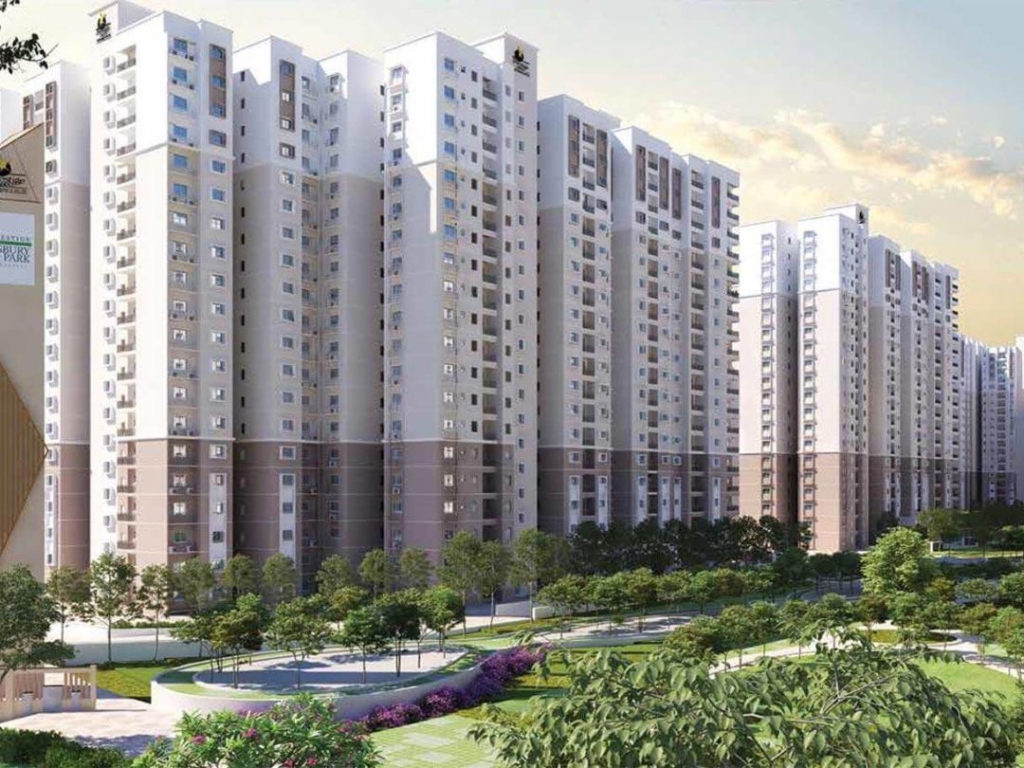
A long-running housing crisis in the Delhi–NCR region has entered a decisive execution phase after the Supreme Court cleared the revival of multiple stalled residential developments, transferring their completion to a state-owned construction agency. The ruling is expected to unlock homes that have remained unfinished for more than a decade, offering relief to tens of thousands of families caught in prolonged uncertainty.
The decision applies to 16 residential projects launched during the early 2010s that were left incomplete following sustained financial stress and project mismanagement by the original developer. Many buyers had already paid substantial portions of their home costs and continued servicing mortgages while awaiting possession, turning these projects into emblematic cases of systemic failure within the urban housing ecosystem. By affirming the separation of these housing developments from the developer’s wider insolvency proceedings, the Court has prioritised completion over liquidation. Urban policy experts say the move reflects a broader judicial recognition that housing projects cannot be treated solely as financial assets when they directly affect household stability, urban density planning, and local infrastructure utilisation. Execution responsibility has now been placed with NBCC (India) Ltd, a government-controlled firm with experience in completing delayed public and private developments. The agency has been instructed to finish construction within a defined three-year window under a monitored framework designed to limit further slippage. Fixed timelines and structured oversight are seen as critical safeguards, given the history of repeated deadline extensions in large NCR housing projects. The ruling also seeks to close the door on procedural delays that have stalled similar efforts in the past.
By restricting parallel litigation and forum-level interventions, the Court aims to ensure that execution proceeds without fresh legal bottlenecks an approach urban planners argue is essential in regions where incomplete housing has strained transport networks, municipal services, and land-use efficiency. Beyond the immediate relief for affected buyers, the verdict carries wider implications for India’s real estate governance. It reinforces the evolving role of homebuyers as primary stakeholders whose interests extend beyond creditor status to include the right to timely shelter and predictable urban living conditions. Analysts believe the framework could be replicated in other stalled developments where insolvency, fund diversion, or governance lapses have frozen construction. For cities like Noida, Greater Noida, and parts of Ghaziabad, the completion of long-idle housing stock could help stabilise neighbourhoods that have remained partially occupied or underutilised for years. It may also reduce pressure on peripheral land expansion by bringing existing urban assets back into productive use.
As India’s housing market moves toward a more disciplined growth phase, the ruling underscores the importance of credible execution, institutional accountability, and judicial clarity in restoring trust. For thousands of families across Delhi–NCR, it marks a long-awaited shift from courtroom stalemate to the tangible possibility of moving home.
Also Read: India Residential Realty Braces For Disciplined 2026
Delhi NCR Housing Projects Move Toward Completion
