


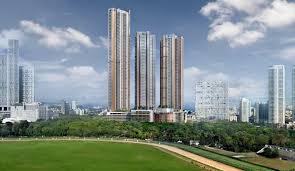
Mumbai’s high-end residential market continues to attract selective investment, with a new development partnership announced for a luxury housing project valued at approximately Rs 70 crore. The collaboration brings together a listed real estate firm and a local development company, reflecting a growing trend of smaller, capital-efficient joint ventures in land-constrained urban pockets.
The project is planned within the Mumbai metropolitan area and is expected to focus on low-density, premium housing rather than large-format towers. While the scale is modest by Mumbai standards, industry experts say such developments are increasingly shaping the city’s luxury segment, particularly in neighbourhoods where redevelopment opportunities are limited and infrastructure capacity is already under pressure. Unlike mass-market housing, boutique luxury projects rely heavily on location, design quality and execution discipline. Urban planners note that these developments often emerge in established residential districts, where buyers prioritise privacy, access to services and proximity to employment hubs over size alone. As a result, developers are favouring partnerships that reduce upfront land acquisition costs and distribute development risk. The structure of the collaboration reflects broader shifts in Mumbai’s real estate financing landscape. With lending norms tightening and construction costs remaining elevated, joint ventures have become a preferred route for mid-sized and listed developers seeking exposure to premium housing without overleveraging their balance sheets. Such arrangements also allow local partners to monetise land while retaining a stake in project outcomes.
From a market perspective, demand for luxury homes in Mumbai has remained uneven but resilient. While transaction volumes fluctuate based on interest rates and global economic sentiment, well-located projects with limited inventory continue to attract high-net-worth buyers. Property consultants point out that buyers in this segment are increasingly attentive to build quality, energy efficiency and long-term maintenance costs, rather than purely speculative appreciation. Sustainability considerations, though not always highlighted in project announcements, are becoming harder to ignore. Smaller luxury developments present opportunities for improved water management, energy-efficient building systems and reduced construction impact compared to large-scale projects. Urban policy specialists argue that encouraging such design-led, lower-intensity development can help cities like Mumbai balance housing demand with climate resilience and infrastructure constraints. At the same time, analysts caution that the success of boutique luxury projects depends on realistic pricing and timely delivery. With limited unit counts, delays or cost overruns can quickly erode margins. Regulatory approvals, neighbourhood integration and construction logistics remain key risks in dense urban environments.
Looking ahead, the partnership underscores how Mumbai’s real estate market is fragmenting into distinct micro-segments. While large transit-oriented developments and public land monetisation projects draw headlines, smaller luxury ventures continue to quietly shape the city’s residential fabric adding homes, employment and incremental investment without dramatically altering urban density patterns.
Also Read: Mumbai Bandra East Set For Major Development
Mumbai Luxury Housing Sees New Joint Venture
