


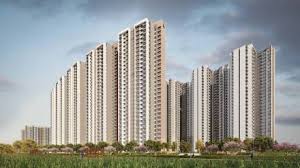
India’s real estate growth story is undergoing a decisive geographic shift, with non-metro cities emerging as the next engines of residential and commercial development. Across central, western, and northern India, cities such as Nagpur, Lucknow, Jaipur, Surat and Ahmedabad are attracting sustained investment as infrastructure expansion, employment diversification and affordability pressures reshape housing demand beyond the traditional metro cores.
This transition matters not only to developers and investors, but also to urban governance and liveability. As land scarcity, congestion and climate stress intensify in major metros, Tier-2 cities are absorbing population growth and economic activity at a scale that could redefine India’s urban future if managed responsibly. Urban planners point to connectivity-led growth as the primary catalyst. Expressways, logistics corridors, metro rail extensions and ring roads are reducing travel times and integrating smaller cities into national production and consumption networks. In central India, improved highway access and multimodal freight infrastructure have strengthened Nagpur’s position as a logistics and manufacturing hub, triggering rising residential demand in peripheral zones once considered speculative. In the north, sustained public investment in transport infrastructure has expanded Lucknow’s development footprint. New expressways and transit corridors have unlocked large tracts of land for planned housing, attracting both end-users and institutional capital. Market analysts note that such cities are witnessing a shift from fragmented layouts to larger, master-planned communities that combine housing with education, healthcare and retail.
Western India presents a slightly different dynamic. Industrial cities like Surat continue to draw migrant labour and mid-income professionals, driving demand for affordable and mid-segment homes close to employment clusters. Meanwhile, Ahmedabad has maintained steady absorption rates due to relatively balanced urban planning, lower living costs and a growing services economy, making it one of the more resilient non metro real estate markets during periods of national volatility. Price trends underline the shift. Property values in several Tier-2 cities have recorded sharp appreciation over the past year, reflecting both end-user demand and long-term investor confidence. However, urban economists caution that unchecked growth could strain water resources, mobility networks and housing equity if infrastructure delivery and land-use planning fall out of sync. Policy direction is playing a crucial role. Government emphasis on decentralised development, housing supply and infrastructure financing has improved market confidence in smaller cities. At the same time, climate resilience and energy efficiency are becoming material considerations as new urban districts are planned in regions vulnerable to heat stress and flooding.
Looking ahead, the rise of non metro real estate signals a more distributed model of urbanisation. The challenge for city authorities will be to ensure that growth translates into inclusive neighbourhoods, reliable public services and lower environmental impact rather than replicating the pressures now visible in India’s largest metros.
Also Read: Bangalore Plans Bengaluru EV City Testing Zone
Tier Two Cities Reshape Real Estate Growth
